PoK and Gilgit-Baltistan unrest exposes Pakistan's governance crisis
Synopsis
While Pakistan routinely internationalises the Kashmir dispute, its own administered territories — PoK and Gilgit-Baltistan — are burning with protests over electricity tariffs, resource exploitation, and democratic deficits. With deaths, mass arrests, and communication blackouts marking Islamabad's response, the unrest through 2025 and 2026 exposes a structural governance crisis that crackdowns alone cannot contain.
Key Takeaways
Protests in PoK and Gilgit-Baltistan over electricity tariffs, wheat prices, and governance have persisted through 2025 and into 2026 , resulting in multiple deaths and injuries.
The Human Rights Commission of Pakistan documented that 2024 protests were driven by demands for subsidised electricity, flour, and greater accountability.
Civil society group JKJAAC has led successive waves of agitation, with residents citing systematic neglect by Islamabad .
Residents allege that PoK's hydropower resources benefit the federal government while locals pay high electricity tariffs.
Reserved legislative seats for 'refugees from Jammu and Kashmir' elsewhere in Pakistan have sparked a broader debate about democratic legitimacy and self-governance.
Critics argue the unrest exposes a contradiction in Pakistan's position on Jammu and Kashmir , given its inability to govern territories already under its control.
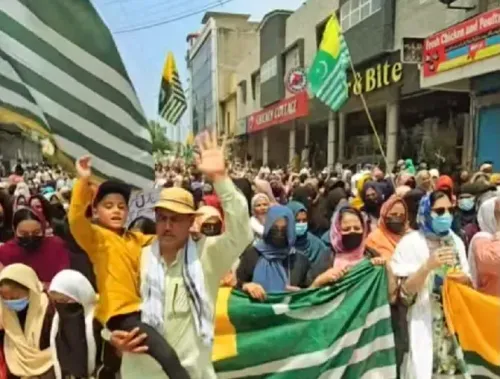
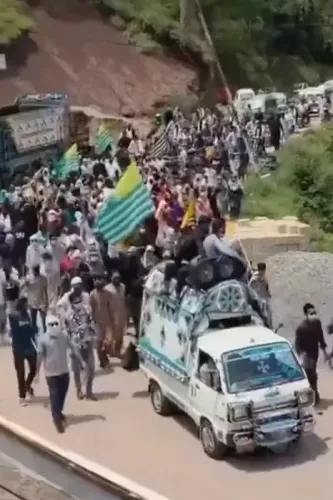
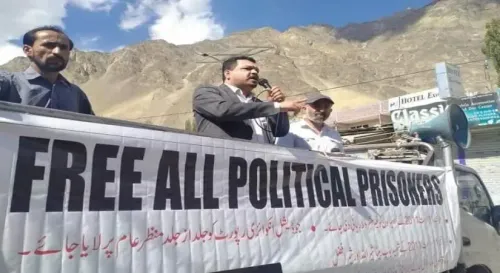
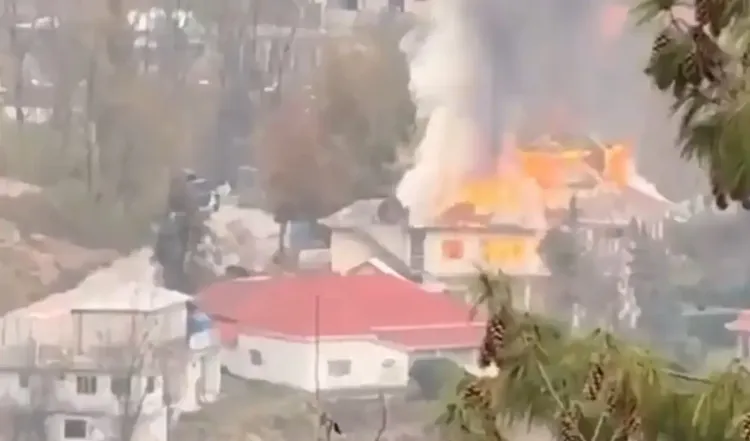
What began as street protests over rising electricity tariffs and wheat prices in Pakistan-occupied Kashmir (PoK) and Gilgit-Baltistan has deepened into a structural challenge to Islamabad's administrative model in these territories — exposing governance failures that Pakistan has long sought to suppress. The unrest, which has persisted through 2025 and into 2026, has resulted in multiple deaths and injuries, widening the chasm between public expectations and state responses.
The Roots of Unrest
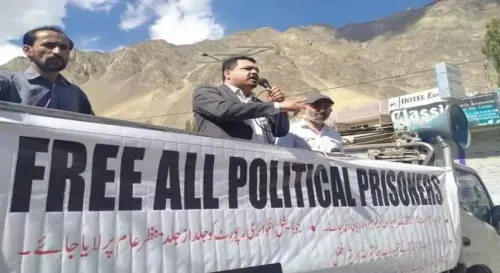
Civil society groups, most prominently the Jammu Kashmir Joint Awami Action Committee (JKJAAC), have led successive waves of agitation across PoK. Residents have protested against inflation, shortages of essential goods, and what they describe as systematic neglect by the federal government in Islamabad. The Human Rights Commission of Pakistan documented that large-scale protests in 2024 were driven by demands for subsidised electricity and flour, greater accountability, and an end to excessive privileges enjoyed by political elites and bureaucrats.
Critics argue that key decisions on political representation, resource management, and security remain heavily influenced by Islamabad, limiting genuine local autonomy. Local unrest, analysts note, is directed not only at district administrations but at the broader political system through which Pakistan governs these territories.
The Resource Contradiction
A particularly damaging element for Pakistan's official narrative is the economic dimension of the crisis. Protesters have repeatedly pointed out that while PoK generates substantial hydropower resources, local residents continue to pay high electricity charges and receive inconsistent services. Demands for lower tariffs, wheat subsidies, and a fairer share of resource revenues have become recurring themes in regional protests.
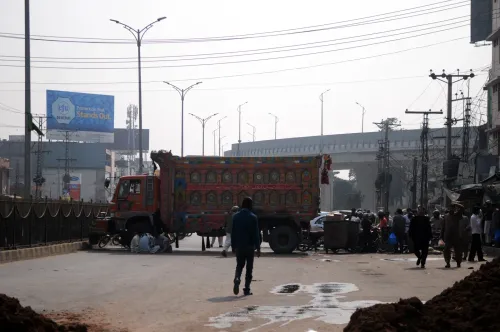
Rather than addressing these grievances, authorities have reportedly responded with crackdowns. Reports of communication blackouts, mass arrests, deployment of security forces, and violent clashes have accompanied successive protest movements, critics say.
The Representation Dispute
Another flashpoint has been the reservation of legislative seats for so-called 'refugees from Jammu and Kashmir' who reside elsewhere in Pakistan. Residents argue these reserved seats distort regional representation and allow Islamabad to retain disproportionate influence over political outcomes. The controversy has broadened into a wider debate about democratic legitimacy and the right to self-governance.
Similar concerns have surfaced in Gilgit-Baltistan, where residents have repeatedly raised questions about constitutional status, political representation, taxation, and the exploitation of local natural resources. Observers note that despite its strategic importance and natural wealth, the region continues to be denied meaningful participation in key decision-making processes.
The Larger Contradiction for Islamabad
The continuing turmoil raises an uncomfortable question: if Islamabad cannot effectively govern territories already under its administrative control, how credible are its claims regarding the broader Jammu and Kashmir issue? Pakistan has consistently sought to internationalise developments within India, even as unrest in its own administered territories highlights deepening governance deficits at home.
Allegations that local institutions operate under strong federal influence have further fuelled perceptions of democratic deficits. The recurring protest cycles suggest structural governance problems that cannot be permanently managed through crackdowns alone.
What Lies Ahead
The continuing protests, Islamabad's use of what critics describe as political manipulation and security force deployment, and unresolved disputes over resource distribution indicate that Pakistan's most immediate governance challenge lies not across the Line of Control (LoC) but within areas already under its own control. Unless structural reforms address representation, resource sharing, and local autonomy, observers warn the cycles of unrest are unlikely to abate.
Point of View
And Islamabad's reflex response of security crackdowns rather than structural reform, suggests a governance model held together by coercion rather than consent. The resource-exploitation grievance is especially revealing: a region that generates hydropower wealth while its own population pays elevated tariffs is a textbook case of internal colonialism. Until Islamabad addresses the representation deficit and the resource-sharing question, the protest cycles will keep returning — and each one chips further at Pakistan's credibility on the broader Kashmir question.
NationPress
6 Nov 2026
Frequently Asked Questions
What are the main causes of protests in Pakistan-occupied Kashmir?
Protests in PoK have been driven primarily by rising electricity tariffs, wheat price hikes, shortages of essential goods, and broader governance failures, according to the Human Rights Commission of Pakistan. Residents also cite systematic neglect by Islamabad and limited local autonomy over key political and economic decisions.
Which civil society groups have led the unrest in PoK?
The Jammu Kashmir Joint Awami Action Committee (JKJAAC) has been the most prominent civil society group leading agitation in PoK. It has organised multiple protest waves demanding subsidised electricity, wheat subsidies, and accountability from political elites.
How has Islamabad responded to the protests in PoK and Gilgit-Baltistan?
Authorities have reportedly responded with communication blackouts, mass arrests, deployment of security forces, and violent clashes, according to available reports. Critics argue that these measures suppress rather than resolve the underlying structural grievances.
What is the controversy over reserved legislative seats in PoK?
Certain legislative seats in PoK are reserved for people described as 'refugees from Jammu and Kashmir' who live elsewhere in Pakistan. Residents argue this arrangement distorts regional representation and allows Islamabad to retain disproportionate influence over local political outcomes, fuelling a broader debate about democratic legitimacy.
Why does the unrest in PoK matter to the broader Kashmir dispute?
The unrest challenges Pakistan's credibility as an advocate for Kashmiri self-determination, since Islamabad faces growing criticism from residents in territories it already governs. Observers argue that Pakistan's inability to address governance deficits, resource-sharing inequities, and representation disputes in PoK and Gilgit-Baltistan undermines its broader diplomatic position on the Jammu and Kashmir issue.