Pakistan-occupied Kashmir on brink of historic breakdown, LoC breach threatened
Synopsis
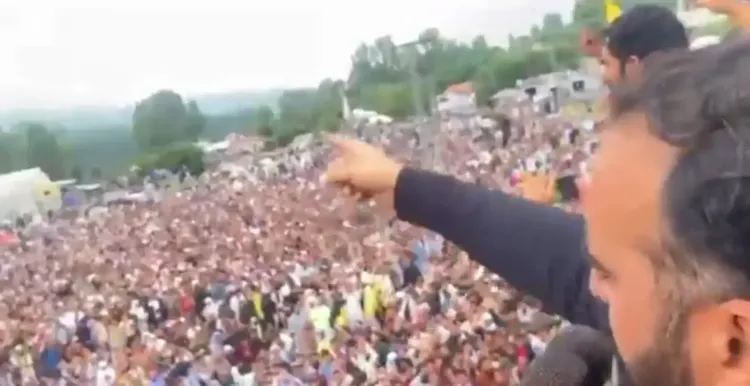
PoK is not just experiencing unrest — it is, according to a South Asia Press report, approaching a 'historic breakdown.' Residents who began protesting over flour and electricity prices are now threatening to breach the Line of Control. With seven parliamentary seats vacant, a ceremonial president installed for optics, and journalists barred from reporting, the crisis has crossed from a domestic grievance to a potential geopolitical flashpoint.
Key Takeaways
Pakistan-occupied Kashmir (PoK) is reportedly approaching a 'historic breakdown' following deeply disputed elections, according to a South Asia Press report.
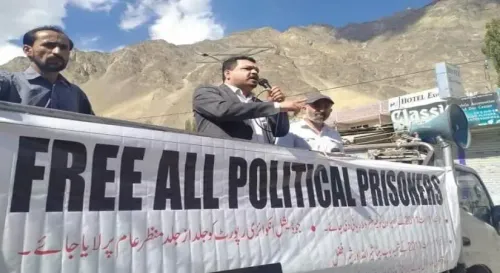
Protests that began over flour subsidies and electricity tariffs have escalated into demands for political reform and representative governance.
Pakistani paramilitary forces locked down Muzaffarabad and Mirpur , imposed internet blackouts, and barred independent journalists from covering the unrest.
Residents including a trader in Rawalakot and a schoolteacher from Muzaffarabad have reportedly threatened to breach the heavily militarised Line of Control (LoC) .
PoK's legislative assembly elected Najeeb Naqi Khan as ceremonial president last week, even as seven parliamentary seats remain vacant.
The crisis is described as the most extensive confrontation between PoK's population and the Pakistani state in decades .
Pakistan-occupied Kashmir (PoK) is teetering on the edge of what analysts are describing as a 'historic breakdown', as weeks-old electoral paralysis, state violence, and deep economic grievances converge into a volatile geopolitical crisis — with desperate residents reportedly threatening to breach the heavily militarised Line of Control (LoC) separating the territory from India. The warning comes amid the most intense confrontation between PoK's local population and the Pakistani state in decades, according to a detailed report by South Asia Press.
From Flour Subsidies to a Full-Blown Crisis
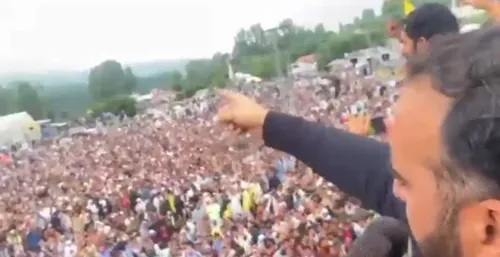
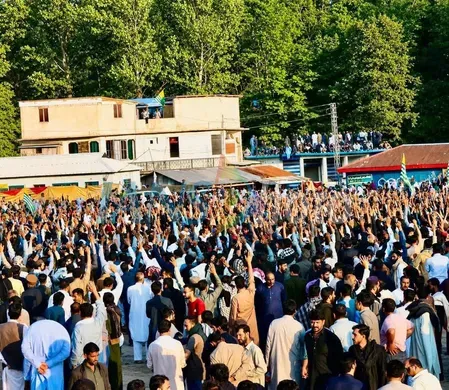
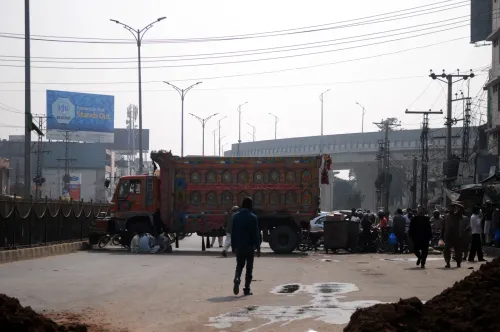
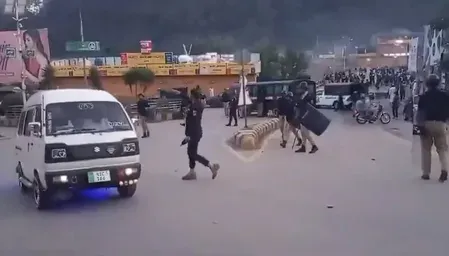
What began as economic agitation over flour subsidies and skyrocketing electricity tariffs has escalated into a movement demanding political reforms, greater accountability, and representative governance. Over recent months, PoK witnessed deadly violence, sweeping internet shutdowns, and documented incidents of police brutality as Pakistani paramilitary forces moved to suppress the unrest.
Major urban centres including Muzaffarabad and Mirpur were placed under effective lockdowns, while independent journalists have been largely barred from reporting on the ground — a media blackout that, critics argue, has shielded the scale of the crackdown from international scrutiny.
Voices From the Ground
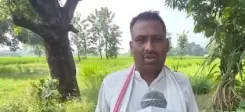
Hamza Naseer (34), a trader in Rawalakot whose storefront was damaged during recent clashes, described the elections as having changed nothing. 'The election did not change anything and only gave a violent regime a false sense of legitimacy,' he said, according to the South Asia Press report.
Naseer's words were stark: 'They came into our towns with federal paramilitaries, cut our internet, and fired live ammunition into unarmed marches. We are being treated like subjects under a foreign occupation. If Islamabad keeps choking us, we have no choice but to break the fences and cross the border. Let them shoot us at the Line of Control instead.'
Maryam Bibi, a schoolteacher from Muzaffarabad, offered a similar account of the political climate. 'The political elite are voting in secure rooms while the streets are covered in tear gas,' she said. 'They tell us we are free, but they kill us for asking for fair votes and basic rights. The border fences used to terrify us. Now, looking across the Line of Control seems like our only exit.'
Sham of Stability: The Legislative Assembly Manoeuvre
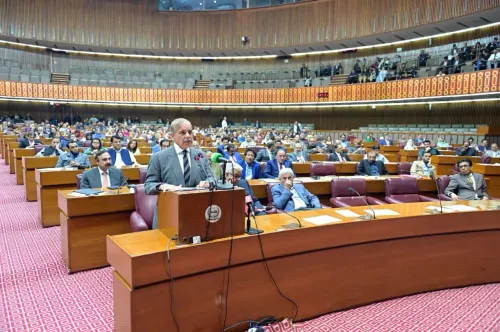
The systemic nature of the crisis became particularly evident last week when PoK's legislative assembly elected Najeeb Naqi Khan to the ceremonial post of president — a move widely seen as an attempt to project stability. Yet the optics are undermined by a critical fact: seven of PoK's parliamentary seats remain vacant, a direct consequence of the electoral breakdown that preceded the appointment.
The South Asia Press report characterises the elections themselves as a 'heavy-handed campaign of state violence against a grassroots civil rights movement' that has 'completely hollowed out the political process.'
Geopolitical Implications for India
The reported threats by PoK residents to breach the LoC — however unlikely in practice — carry significant strategic weight. The LoC has remained one of the most militarised frontiers in Asia, and any mass movement toward it would demand an immediate response from both Pakistani and Indian security forces. This comes amid already elevated India-Pakistan tensions and renewed international attention on the Kashmir question.
Notably, this is not the first time PoK has seen protests over subsidies and governance failures, but the current scale, longevity, and explicitly geopolitical character of the unrest mark a qualitative departure from previous episodes. As Islamabad attempts to manage the fallout through security deployments and electoral choreography, the longer-term trajectory of PoK's political stability remains deeply uncertain.
Point of View
Paramilitary crackdown, media blackout, cosmetic electoral exercise — mirrors how Pakistan has historically managed dissent in its periphery, but the explicit LoC-breach rhetoric is a new and dangerous variable. India should track this carefully: a mass movement toward the LoC, even if suppressed, would create pressure for a response that neither New Delhi nor Rawalpindi can fully control. The bigger question international observers are not asking loudly enough is what it means for democratic norms when seven parliamentary seats sit vacant and a ceremonial president is installed as a stabilising prop.
NationPress
1 Oct 2026
Frequently Asked Questions
What is causing the crisis in Pakistan-occupied Kashmir in 2026?
The crisis in PoK originated as economic protests over flour subsidies and rising electricity tariffs, but has since evolved into a broader movement demanding political reforms, accountability, and representative government. Pakistan's paramilitary crackdown, internet shutdowns, and disputed elections have deepened the unrest significantly.
Why are PoK residents threatening to breach the Line of Control?
According to a South Asia Press report, residents feel trapped between an unresponsive administration and state violence, leaving them with few perceived options. Traders and teachers quoted in the report described the LoC — historically a source of fear — as now appearing to be 'the only exit' from repression.
What happened in the recent PoK elections?
The elections are described as having 'hollowed out the political process,' with state violence used against civil protesters and seven parliamentary seats remaining vacant even after voting concluded. PoK's legislative assembly subsequently elected Najeeb Naqi Khan to the ceremonial post of president, widely seen as an attempt to project stability.
How has Pakistan responded to the PoK protests?
Pakistan deployed federal paramilitary forces to lock down major cities including Muzaffarabad and Mirpur, imposed internet blackouts, and enacted a media crackdown that has prevented independent journalists from reporting on the ground situation, according to the South Asia Press report.
What are the geopolitical implications of the PoK crisis for India?
The LoC is one of Asia's most militarised borders, and any mass movement toward it would demand an immediate security response from both sides. The crisis adds a new dimension to already elevated India-Pakistan tensions and could draw renewed international attention to the Kashmir question.