Poland's Deputy FM calls Modi 'extremely competent', backs India's global role
Synopsis
Poland's Deputy Foreign Minister didn't just offer diplomatic pleasantries — he made a pointed geopolitical argument: that Modi is one of the few world leaders who can genuinely influence Putin, and that India should use that leverage to help end the Ukraine war. Coming from a frontline NATO state, that is a significant signal.
Key Takeaways
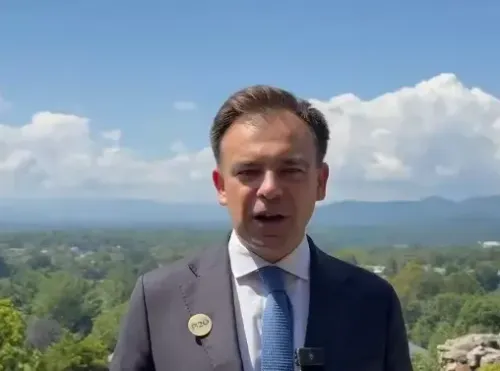
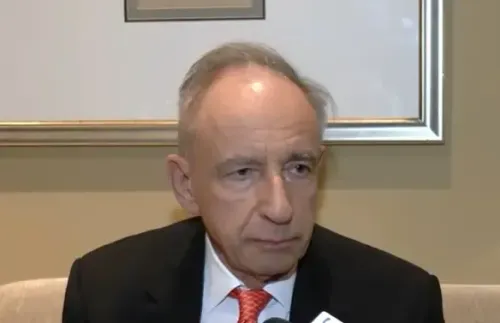
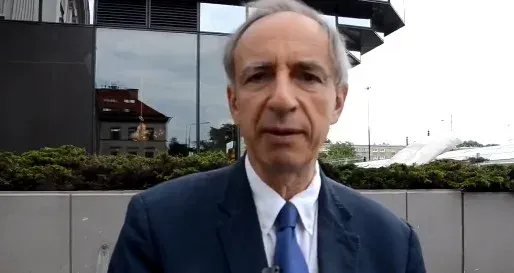
Poland's Deputy Foreign Minister Wladyslaw Teofil Bartoszewski called PM Narendra Modi 'extremely competent and accomplished' during a visit to New Delhi on 14 July .
Bartoszewski said he believes Modi's claim that India will be the third-largest economy by 2047 .
He described Modi as one of the few leaders who can 'exert pressure and influence' on Russian President Vladimir Putin over the Ukraine conflict.
Poland and India are aligned on freedom of navigation under UNCLOS , with shared concern over the Strait of Hormuz and Strait of Malacca .
Poland disclosed attempts to sever its underwater electricity cable to Sweden and expressed interest in learning from India's experience in protecting undersea infrastructure.
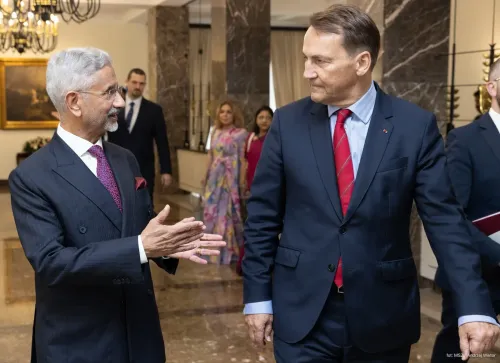
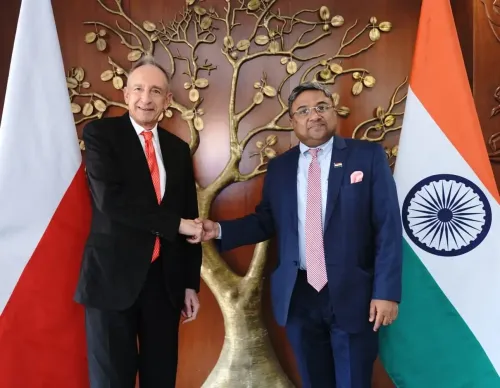
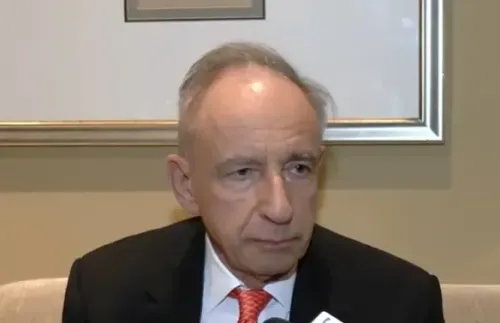
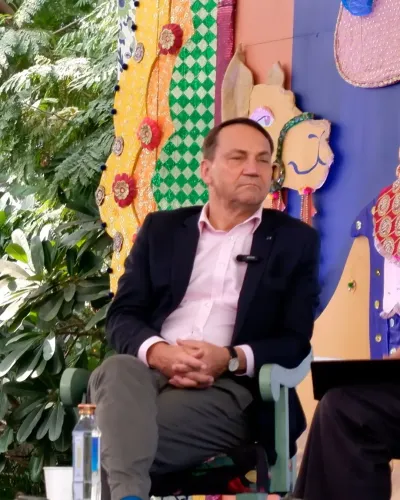
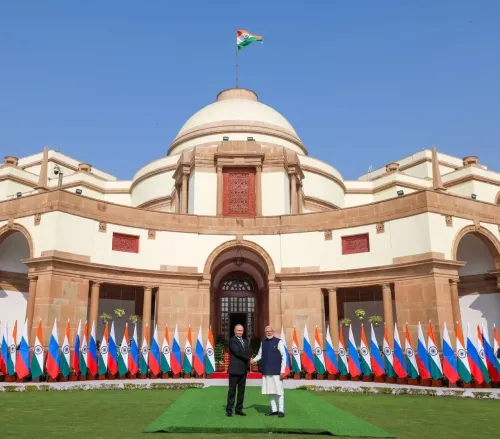
Poland's Secretary of State and Deputy Foreign Minister Wladyslaw Teofil Bartoszewski on Tuesday, 14 July praised Prime Minister Narendra Modi as an 'extremely competent and accomplished' global leader, saying India has transformed phenomenally under his stewardship. The remarks were made in New Delhi during Bartoszewski's visit, underscoring the deepening diplomatic ties between Poland and India.
High Praise from Warsaw
'He's a major global leader; there's no question about that. I mean, he's extremely competent, extremely accomplished. India has changed phenomenally under his leadership,' Bartoszewski said. 'I have had the honour of meeting him and talking to him. He's extremely charismatic, very pragmatic, forward-looking, and he's changing India.'
The Polish diplomat added that when he hears Modi assert that India will be the third-largest economy in the world by 2047, he finds it entirely credible. The statement reflects a growing Western recognition of India's economic trajectory and the personal stature Modi commands in international forums.
Modi's Influence on Putin and the Ukraine Conflict
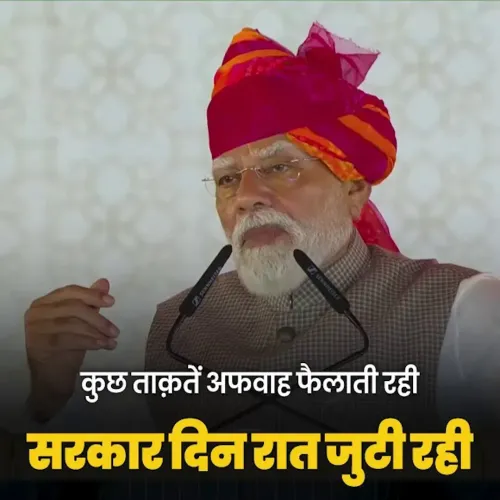
Bartoszewski highlighted what he described as Modi's unique leverage over Russian President Vladimir Putin, noting that India's non-aligned posture gives it diplomatic reach that few others possess. 'President Putin actually pays attention to what Prime Minister Modi tells him. Prime Minister Modi is one of the few people who actually can exert some pressure and influence on President Putin, and that is clearly something India could do to stop this conflict,' he said, referring to the ongoing war in Ukraine.
He acknowledged that Modi had previously urged Putin to show restraint, positioning India as a potential back-channel interlocutor in one of the world's most intractable conflicts. This comes amid repeated Western efforts to find credible intermediaries capable of engaging Moscow directly.
Freedom of Seas and Indo-Pacific Cooperation
On maritime security, Bartoszewski said Poland stands firmly alongside India in upholding freedom of navigation under the United Nations Convention on the Law of the Sea (UNCLOS). He expressed particular concern over the possible closure of the Strait of Hormuz, warning that restrictions in one chokepoint could cascade to others such as the Strait of Malacca, which accounts for roughly 50 per cent of global trade passing through it.
'We are completely on the Indian side in this to try to cooperate to make sure that free shipment continues, because that is essential to our economic security and prosperity. India has a role to play,' he said. Notably, Poland's concern over maritime chokepoints reflects broader European Union anxieties about supply-chain vulnerability in an era of heightened geopolitical tension.
Underwater Infrastructure and Digital Security
Bartoszewski also raised the issue of undersea infrastructure protection, disclosing that Poland had faced attempts to sever an underwater electricity cable connecting it to Sweden, alongside disruptions to internet cables in the Baltic Sea. He said Poland is keen to learn from India's experience in handling such threats beyond territorial waters.
'We want to cooperate with India in water infrastructure... we are very keen to exchange experiences and especially learn from India's experience how to deal with such attempts outside the territorial waters,' he said. The disclosure signals that critical undersea infrastructure has emerged as a new frontier of geopolitical vulnerability for both nations.
A Broader Strategic Alignment
The Polish diplomat emphasised that Warsaw is increasingly focused on the Indo-Pacific region, with India seen as a central pillar of that engagement. He described India as a country that has maintained balanced relationships — with Poland and Western nations, while preserving historic ties with Russia dating to the Soviet era — a diplomatic posture that gives New Delhi unusual room to manoeuvre.
As India's global profile continues to rise, remarks such as these from senior European officials suggest a widening consensus on its emerging role as an indispensable partner in both economic and security architecture.
Point of View
It is not flattery; it is a strategic ask. Warsaw is signalling that it wants New Delhi to do more, not merely maintain its studied neutrality. The praise for Modi's economic leadership is the diplomatic sugar-coating on a harder message: India's non-alignment dividend is being called in. Whether New Delhi chooses to spend that capital on Ukraine, or preserve it for its own strategic interests, is the real question this visit raises.
NationPress
13 Oct 2026
Frequently Asked Questions
What did Poland's Deputy Foreign Minister say about PM Modi?
Wladyslaw Teofil Bartoszewski called PM Narendra Modi 'extremely competent and accomplished', describing him as a major global leader who has changed India phenomenally. He made these remarks during a visit to New Delhi on 14 July.
Why did Poland's diplomat say Modi can influence Putin?
Bartoszewski noted that India's non-aligned stance gives it diplomatic reach with Russia that Western nations lack, and that Putin pays attention to what Modi says. He argued Modi is one of the few leaders who could exert genuine pressure on Putin to end the Ukraine conflict.
What is Poland's position on freedom of navigation?
Poland stands alongside India in upholding freedom of navigation under UNCLOS. Bartoszewski expressed concern that closure of the Strait of Hormuz could cascade to the Strait of Malacca, through which roughly 50 per cent of global trade passes, threatening both nations' economic security.
What undersea infrastructure issue did Poland raise with India?
Bartoszewski disclosed that Poland had faced attempts to sever an underwater electricity cable linking it to Sweden, alongside disruptions to Baltic Sea internet cables. He said Poland wants to learn from India's experience in protecting undersea infrastructure outside territorial waters.
What does Poland's engagement signal about India's global standing?
The visit reflects a broader European recognition of India's rising geopolitical weight. Poland's interest in Indo-Pacific cooperation, with India as a central partner, suggests that New Delhi is increasingly seen as an indispensable player in both economic and security frameworks.