Fed Chair Powell warns central bank independence 'at risk' amid legal pressure
Synopsis
Federal Reserve Chair Jerome Powell has issued his most direct public warning yet: the Fed's independence is 'at risk' due to unprecedented legal actions by the administration. With Powell stepping down as chair on 15 May — but staying on the board to 'see it through' — this is a pivotal moment for the institution's 113-year-old claim to political neutrality.
Key Takeaways
Jerome Powell warned on 30 April 2025 that the Federal Reserve's independence is "at risk" due to administration legal challenges.
Powell called the legal actions "unprecedented in our 113-year history" and said they are "battering the institution." The Fed has already gone to court to defend its authority, with "ongoing threats of additional such actions." Powell will step down as Fed Chair on 15 May but will remain on the Federal Reserve Board as a governor.
He said political influence over interest rate decisions would cause markets to "lose faith" in the central bank.
Powell expressed confidence the Fed will continue making decisions "based on analysis… and not on political considerations."
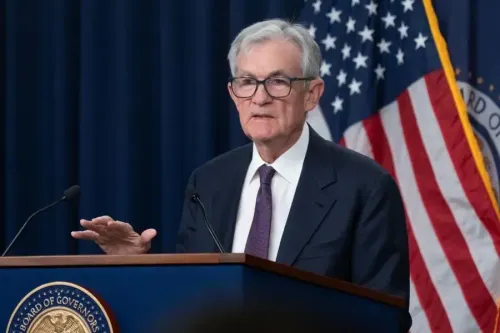
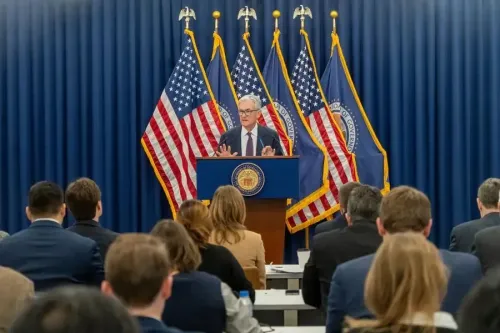
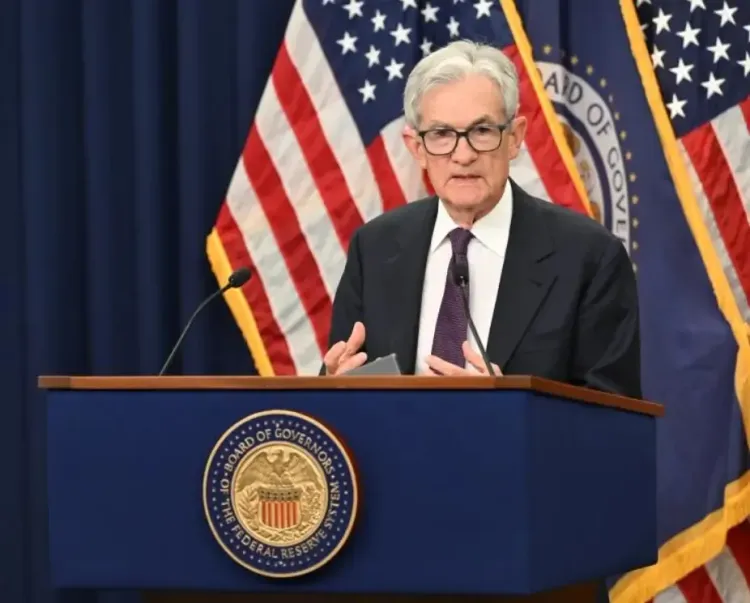
Federal Reserve Chair Jerome Powell on 30 April 2025 issued a stark warning that the US central bank's independence is "at risk", citing what he described as unprecedented legal challenges by the administration that are undermining its ability to set monetary policy free from political interference. The remarks, delivered in Washington, mark one of the most direct public defences of central bank autonomy by a sitting Fed chair in the institution's 113-year history.
Unprecedented Legal Pressure on the Fed
Powell said the administration's legal actions against the Federal Reserve are without precedent. "These legal actions by the administration are unprecedented in our 113-year history," he said, adding that such moves are "battering the institution" and threatening its foundational role in guiding the US economy. He confirmed the Fed has already been compelled to defend its authority in court, warning of "ongoing threats of additional such actions."
The Fed chief stressed that the credibility of any central bank rests on its insulation from elected officials. "That piece of institutional architecture separates successful countries from unsuccessful countries," Powell said, framing independence not merely as a legal formality but as a structural pillar of economic stability.
What Powell Said on Political Influence
Powell was unambiguous about the consequences of political interference in interest rate decisions. "If that's what we were doing, we'd have no credibility, markets would lose faith in us," he said. He emphasised that monetary policy must be guided by economic data and rigorous analysis — not electoral cycles or political considerations. "Think about it this way — that you want people to make monetary policy… and focus only on that and ignore political considerations," he said.
He also underscored that independence is grounded in both statute and long-standing institutional norms. "There's a boundary line between the Fed and the administration… and we need to respect those boundaries," Powell said.
Powell to Step Down as Chair, But Stay on the Board
Powell confirmed he will step down as Federal Reserve Chair on 15 May but intends to remain on the Federal Reserve Board as a governor for a period thereafter. He said recent developments directly influenced that decision. "I had long planned to be retiring… but the things that have happened… have left me no choice but to stay until I see them through," he said.
Powell rejected any suggestion that his decision to remain is politically motivated. "I'm literally staying because of the actions that have been taken," he said, framing his continued presence as a commitment to institutional continuity rather than personal ambition.
Why Fed Independence Matters
Central bank independence has been a cornerstone of modern economic policy globally. It allows monetary authorities to control inflation, stabilise financial systems, and maintain market confidence without bending to short-term political pressures. This is particularly critical during periods of elevated inflation or financial stress, when politically convenient decisions — such as keeping rates artificially low before elections — can cause long-term economic damage.
Notably, this is not the first time the Federal Reserve has faced political pressure in its history, but analysts and former officials have described the current situation as qualitatively different given the direct legal interventions involved. The outcome of these legal challenges could set a precedent with implications well beyond the United States, influencing how peer institutions in other democracies defend their own independence.
Confidence in the Fed's Resilience
Despite the strain, Powell expressed confidence in the institution's ability to withstand the pressure. "I am confident… that the Fed will continue to make its decision based on analysis… and not on political considerations," he said. Markets and policymakers globally will be watching closely as the legal battles unfold and the transition of Fed leadership approaches on 15 May.
Point of View
Days before stepping down from the top role. The administration's legal interventions, whatever their stated rationale, have already achieved one measurable effect: forcing the world's most powerful central banker to defend his institution in court rather than focus solely on inflation and employment. If these challenges succeed in establishing political oversight over rate decisions, the damage to dollar credibility and US Treasury market stability would far exceed any short-term policy gain. The fact that Powell is choosing to stay on the board rather than exit cleanly signals he views the threat as existential — not procedural.
NationPress
21 Sept 2026
Frequently Asked Questions
Why did Jerome Powell warn about Federal Reserve independence?
Powell warned that the Federal Reserve's independence is 'at risk' because the administration has taken what he described as unprecedented legal actions against the central bank in its 113-year history. He said these actions are 'battering the institution' and could allow political considerations to influence monetary policy decisions.
When is Jerome Powell stepping down as Fed Chair?
Powell confirmed he will step down as Federal Reserve Chair on 15 May, but he plans to remain on the Federal Reserve Board as a governor. He said recent developments left him 'no choice' but to stay on to see the situation through.
What legal challenges is the Federal Reserve facing?
Powell indicated the Fed has already had to go to court to defend its authority, and warned of 'ongoing threats of additional such actions' by the administration. He did not specify the precise nature of each case but called the cumulative pressure unprecedented.
Why does central bank independence matter?
Central bank independence allows monetary authorities to control inflation and stabilise economies based on economic data rather than political pressures. Powell said political influence over interest rates would erode market credibility: 'markets would lose faith in us,' he warned.
How could political pressure on the Fed affect global markets?
If the Federal Reserve's independence is compromised, markets could lose confidence in US monetary policy, potentially impacting the dollar, Treasury yields, and global risk sentiment. Powell stressed that the Fed's credibility depends entirely on being seen as free from electoral and political considerations.