Qatar, Iran discuss Strait of Hormuz shipping corridor and mine-clearing plan
Synopsis
Qatar's Prime Minister flew to Tehran to propose a temporary shipping corridor through the Strait of Hormuz — and a joint mine-clearing operation. With parallel Iran-Oman talks producing contradictory signals and Iran's President simultaneously pitching a regional non-aggression pact, the diplomatic scramble around the world's most consequential oil chokepoint has reached an unusually intense pitch.
Key Takeaways
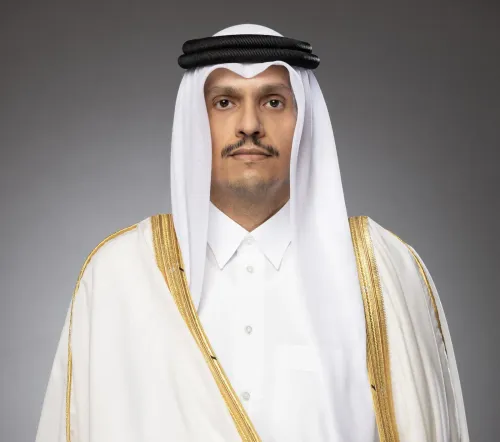
Sheikh Mohammed bin Abdulrahman bin Jassim Al Thani met Iranian FM Seyed Abbas Araghchi in Tehran on 27 August to discuss a temporary Strait of Hormuz shipping corridor.
The talks also covered a joint project to clear the strait of mines , adding an operational dimension to the diplomatic initiative.
Separate Iran-Oman talks on the strait produced contradictory signals — the IRGC claimed agreements were reached, while a senior Iranian source said no final deal exists.
Iranian President Masoud Pezeshkian proposed a mutual security and non-aggression treaty among Muslim states at the 40th International Conference on Islamic Unity .
Pezeshkian also called for joint working groups on infrastructure, trade, investment, and clean energy among regional nations.
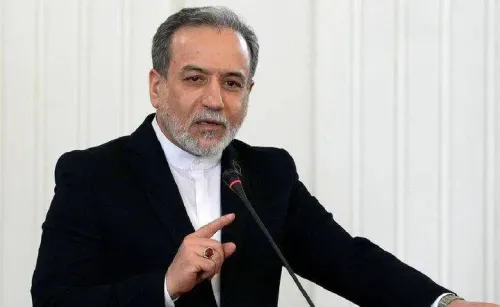
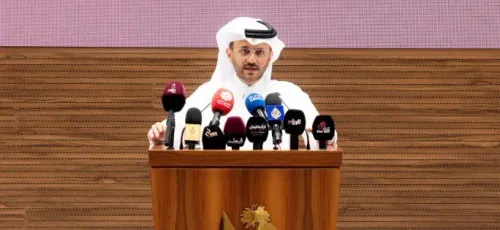
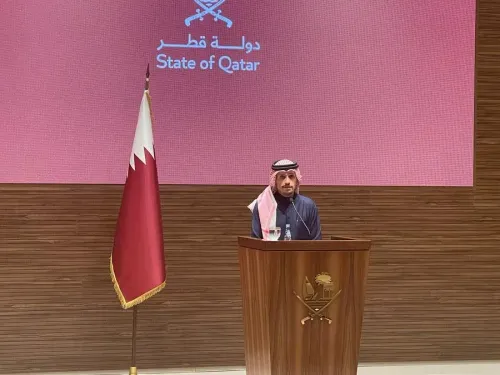
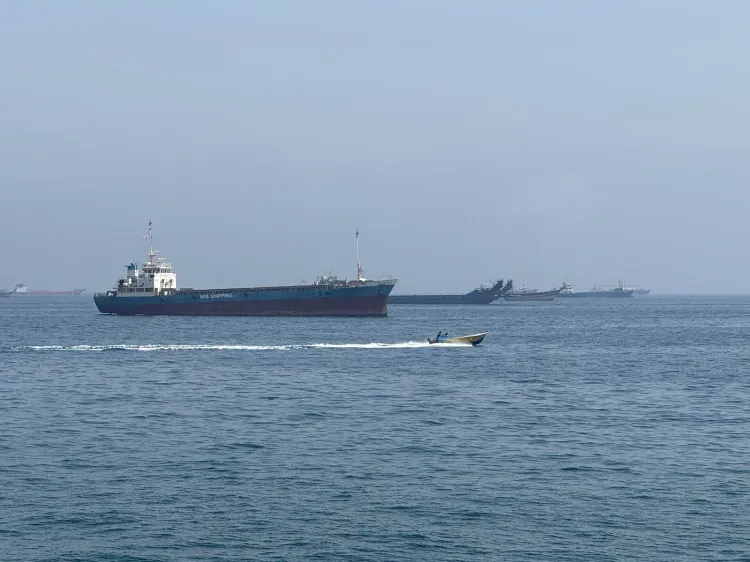
Qatari Prime Minister and Foreign Affairs Minister Sheikh Mohammed bin Abdulrahman bin Jassim Al Thani held talks in Tehran on Thursday, 27 August with Iranian Foreign Minister Seyed Abbas Araghchi, focusing on the establishment of a temporary shipping corridor through the Strait of Hormuz and a joint project to clear the strategically vital waterway of mines. The discussions, confirmed by the Qatari Foreign Ministry, mark a significant diplomatic push to stabilise one of the world's most critical maritime chokepoints.
Key Developments from the Tehran Meeting
During the talks, Sheikh Mohammed stressed 'the need to respect the sovereignty of neighbouring countries and freedom of navigation,' while underscoring the importance of continuing diplomatic efforts to reduce tensions and resolve differences through dialogue. Araghchi expressed appreciation for Qatar's sustained diplomatic engagement aimed at de-escalating regional tensions and supporting dialogue, according to the Qatari Foreign Ministry statement.
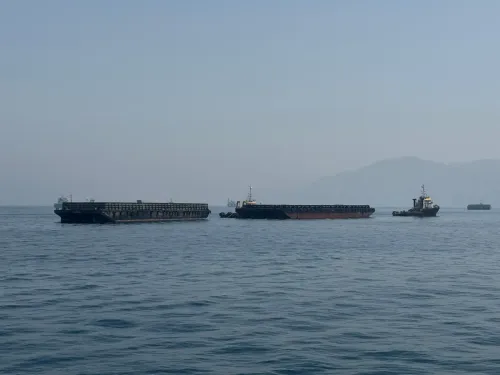
The proposed interim framework for the strait, if implemented, would provide a structured passage for commercial and energy shipping at a time of heightened regional uncertainty. The mine-clearing component of the proposal adds a concrete operational dimension to what has largely been a political conversation.
Broader Strait of Hormuz Negotiations
The Qatari Prime Minister's visit to Tehran coincided with separate ongoing talks between Iran and Oman over the Strait of Hormuz. Iran's Islamic Revolutionary Guard Corps (IRGC) said on Wednesday that the two countries had reached agreements on their respective shares of the strait's waters and revenues, according to Iranian media reports. However, a senior Iranian source was quoted by media as saying that no final agreement between Iran and Oman concerning the strait had been reached so far — a contradiction that underscores the fragility of the ongoing negotiations.
Notably, this is the latest in a series of multilateral engagements around the Strait of Hormuz, through which roughly 20% of the world's oil supply transits daily, making its security a matter of global economic consequence.
Iran's Broader Regional Security Proposal
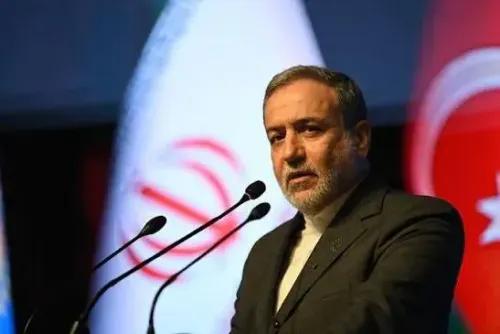
Iranian President Masoud Pezeshkian on Thursday expressed his country's readiness to establish joint security arrangements with neighbouring states. Speaking at the 40th International Conference on Islamic Unity in Tehran, Pezeshkian said Iran is reaching out to its neighbours to develop such arrangements 'not from a position of weakness, but based on its war experience.'
'We know what war is, and we know that when missiles and bombs land, they do not differentiate between the dreams of an Iranian mother and an Arab mother,' he said. Pezeshkian proposed that Muslim states conclude a mutual security and non-aggression treaty, with commitments to respect territorial integrity, refrain from allowing their soil or airspace to be used for aggression against other Muslim states, and avoid supporting destabilisation efforts.
Iran's Call for Regional Economic Cooperation
Pezeshkian also called on Muslim-majority nations to form joint working groups to advance cooperation in infrastructure, trade, investment, and clean energy. The proposals represent Iran's most comprehensive public outreach to its neighbourhood in recent memory, coming at a moment when Tehran faces sustained international pressure over its nuclear programme and regional conduct.
This comes amid a broader pattern of Gulf states recalibrating their relationships with Iran — a trend accelerated by the Saudi-Iran normalisation brokered by China in 2023. Whether the Hormuz corridor talks translate into a durable framework will depend on whether the parallel Iran-Oman process reaches a verifiable conclusion.
Point of View
But the contradictory Iranian signals on the Oman deal reveal how far the process is from a binding outcome. Qatar's role as interlocutor is well-established — Doha has played this broker function repeatedly — but brokering a framework that the IRGC, the Iranian presidency, and Gulf neighbours all accept is a structurally different challenge. Pezeshkian's non-aggression treaty proposal, delivered at an Islamic unity conference, is the kind of initiative that sounds expansive but has historically stalled on verification and enforcement. The real test is whether any of these parallel tracks — Qatar-Iran, Iran-Oman, or the broader multilateral outreach — produce a mechanism with teeth, rather than a communiqué that dissipates under the next regional flare-up.
NationPress
28 Aug 2026
Frequently Asked Questions
What did Qatar and Iran discuss regarding the Strait of Hormuz?
Qatar and Iran discussed the establishment of a temporary shipping corridor through the Strait of Hormuz and a joint project to clear the waterway of mines. The talks took place in Tehran on 27 August between Qatari PM Sheikh Mohammed bin Abdulrahman and Iranian FM Seyed Abbas Araghchi.
What is the current status of Iran-Oman talks on the Strait of Hormuz?
The status is contested. Iran's IRGC claimed on Wednesday that Iran and Oman had reached agreements on their respective shares of the strait's waters and revenues, but a senior Iranian source was separately quoted as saying no final agreement had been reached. The contradiction suggests negotiations remain unresolved.
Why is the Strait of Hormuz so strategically important?
The Strait of Hormuz is one of the world's most critical maritime chokepoints, with roughly 20% of global oil supply transiting through it daily. Any disruption — whether from conflict, mines, or access restrictions — would have immediate consequences for global energy markets.
What security proposal did Iranian President Pezeshkian make?
President Masoud Pezeshkian proposed that Muslim-majority states conclude a mutual security and non-aggression treaty, committing to respect territorial integrity and refrain from allowing their territory or airspace to be used for aggression against fellow Muslim states. He made the proposal at the 40th International Conference on Islamic Unity in Tehran on 27 August.
What is Qatar's role in these regional talks?
Qatar is acting as a diplomatic intermediary, with its Prime Minister visiting Tehran to advance proposals for the Hormuz corridor and mine-clearing initiative. Qatar has previously played a broker role in regional disputes, leveraging its relationships with both Western powers and Gulf neighbours.