Ramaswamy Calls Medicaid Fraud a Cost Burden on All Americans
Synopsis
Entrepreneur Vivek Ramaswamy has argued that Medicaid fraud is not victimless, asserting it artificially inflates healthcare demand and diverts taxpayer funds from legitimate recipients — echoing his broader DOGE-era push to curb federal programme waste.
Key Takeaways
Vivek Ramaswamy posted on May 22, 2026 that Medicaid fraud raises healthcare costs for all Americans, not just direct victims.
Medicaid was established in 1965 under the Social Security Act as a joint federal-state programme for low-income Americans.
The Deficit Reduction Act of 2005 created the Medicaid Integrity Program and required states to form Medicaid Fraud Control Units .
CMS annually publishes improper-payment rate data; the OIG conducts ongoing audits of programme integrity.
Ramaswamy's remarks align with Republican fiscal arguments linking entitlement fraud to higher deficits and elevated private insurance premiums.
Congressional budget reconciliation bills may soon include new eligibility verification mandates or fraud-prevention funding.
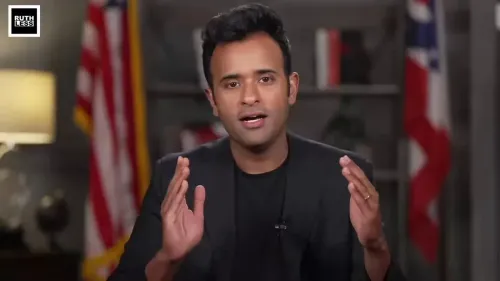
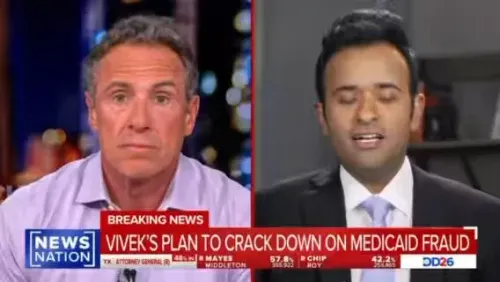
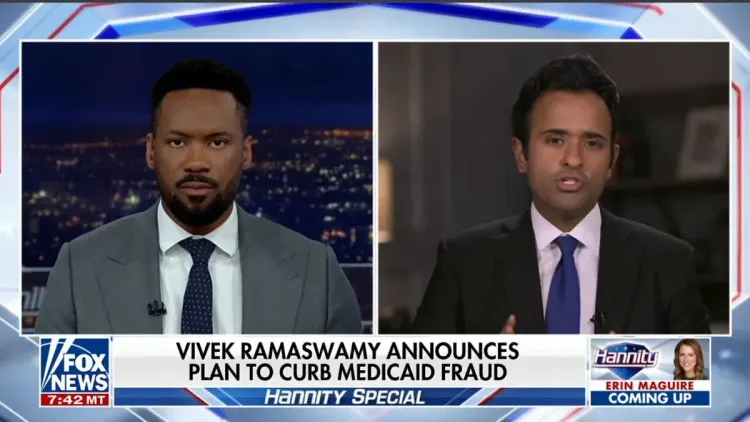
Entrepreneur and former DOGE co-lead Vivek Ramaswamy on Friday, May 22, 2026, declared that Medicaid fraud is 'not a victimless crime,' arguing that fraudulent activity artificially inflates healthcare demand and diverts taxpayer funds away from those who genuinely need them.
Context
In his post, Ramaswamy wrote: 'Medicaid fraud isn't a victimless crime. Everyone pays higher healthcare costs as a result — because the fraud artificially increases demand for healthcare services and diverts taxpayer dollars away from its intended recipients.' The statement was accompanied by a video link, the contents of which could not be independently verified at the time of publication.
Medicaid, created in 1965 under Title XIX of the Social Security Act, is a joint federal-state health coverage program serving low-income Americans. The programme's scale — covering tens of millions of beneficiaries — makes it a recurring focus of federal oversight and audit activity.
Policy Backdrop
Concerns over Medicaid fraud are not new. The Deficit Reduction Act of 2005 established the Medicaid Integrity Program and mandated that states set up Medicaid Fraud Control Units to investigate and prosecute provider fraud. The federal agency responsible for administering the programme, the Centers for Medicare and Medicaid Services (CMS), publishes annual improper-payment rate data and sets programme integrity rules for states.
Ramaswamy's remarks align with a broader Republican fiscal argument that waste, fraud, and abuse in entitlement programmes contribute to higher federal deficits and elevated insurance premiums across the healthcare system. During his tenure as co-lead of the Department of Government Efficiency (DOGE) advisory effort, he consistently framed improper payments in federal programmes as a structural drag on resource allocation.
Stakeholders and Impact
The argument Ramaswamy advances has three primary stakeholder groups: taxpayers, who fund the programme through federal and state budgets; low-income beneficiaries, who are the intended recipients of Medicaid services; and state Medicaid agencies, which bear administrative responsibility for eligibility verification and fraud detection.
When fraudulent claims artificially inflate utilisation data, they can distort how healthcare resources are priced and allocated — a dynamic that, critics argue, ultimately raises costs for private payers and insured individuals as well. Legitimate beneficiaries may also face reduced service availability if funds are diverted through fraud before reaching intended programmes.
What's Next
Congressional attention to Medicaid programme integrity is expected to intensify as budget reconciliation and appropriations processes move forward. Forthcoming CMS improper-payment reports and audits by the Office of Inspector General (OIG) are anticipated to shape the legislative debate over whether new fraud-prevention funding or stricter eligibility verification mandates will be included in spending bills.
Ramaswamy's public commentary keeps the issue visible in the policy conversation, potentially adding pressure on lawmakers to address programme integrity provisions as part of any broader healthcare or fiscal legislation.
Point of View
Framing Medicaid fraud not as an abstract accounting problem but as a direct economic harm to ordinary Americans — a framing designed to broaden the political coalition for programme integrity reforms. Coming from a former DOGE co-lead, the statement signals continued activist pressure on Congress to embed fraud-prevention provisions in any forthcoming budget reconciliation package. The argument that fraud 'artificially increases demand' borrows from health-economics literature but also serves a political purpose: making cuts or verification mandates easier to justify to voters who might otherwise see Medicaid reductions as targeting the poor. Whether the commentary translates into concrete legislative action will depend on how Republican budget negotiators weigh programme integrity against the political cost of restricting a programme that covers a significant share of the American electorate.
NationPress
19 Sept 2026
Frequently Asked Questions
What is Medicaid fraud and why does Vivek Ramaswamy say it affects everyone?
Medicaid fraud involves false or inflated claims submitted to the programme by providers or beneficiaries. Ramaswamy argues it artificially raises healthcare demand and diverts taxpayer funds, which he says pushes up costs for all Americans.
What is the Medicaid Integrity Program?
The Medicaid Integrity Program was created by the Deficit Reduction Act of 2005 to strengthen federal oversight of Medicaid. It required states to establish Medicaid Fraud Control Units to investigate and prosecute provider fraud.
What role did Vivek Ramaswamy play in DOGE?
Vivek Ramaswamy served as co-lead of the Department of Government Efficiency advisory effort, which focused on identifying and reducing federal spending, waste, and improper payments across government programmes.
Who oversees Medicaid fraud prevention in the United States?
The Centers for Medicare and Medicaid Services sets programme integrity rules and publishes improper-payment data, while the Office of Inspector General conducts independent audits and investigations into fraud and abuse.
Could Congress change Medicaid fraud rules in 2026?
Yes, upcoming budget reconciliation or appropriations bills are expected to consider new eligibility verification mandates and fraud-prevention funding, with CMS improper-payment reports likely to inform those legislative decisions.