PoK protests: Rawalakot deaths spark global diaspora outcry against Pakistan
Synopsis
Civilian deaths in Rawalakot have transformed a local PoK agitation over electricity bills into a global human rights flashpoint — with marches outside Pakistan's missions in London and Brussels, a White House-area demonstration, and British MPs calling for an independent inquiry. Islamabad's decision to brand the JAAC a terrorist organisation has not silenced the movement; it has internationalised it.
Key Takeaways
The Joint Awami Action Committee (JAAC) protests in PoK began over electricity tariffs and flour subsidies but expanded into a 38-point charter of demands.
On 5 June 2026 , Islamabad declared JAAC a proscribed organisation under antiterrorism laws and suspended internet and mobile services.
Civilian deaths in Rawalakot triggered diaspora protests in London (9 June and 5 July), near the White House (11 July), and in Brussels .
Amnesty International condemned the crackdown as weaponising antiterror law against a political protest movement.
British MPs Liam Byrne and Adnan Hussain called the use of live fire 'deeply alarming' and demanded a full, independent, and transparent investigation.
According to Eurasia Review , Islamabad risks eroding its international standing if it continues treating political dissent as terrorism.
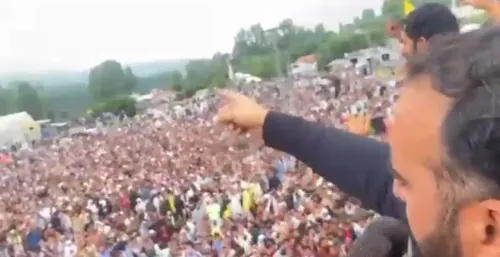
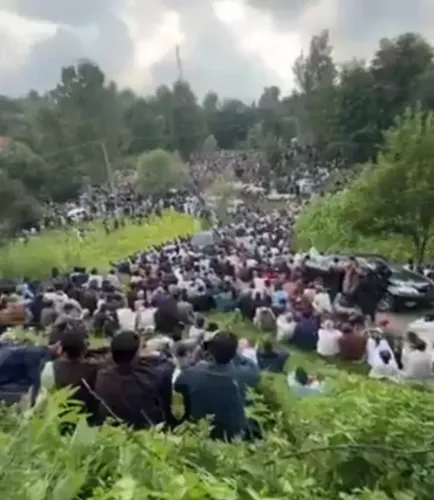
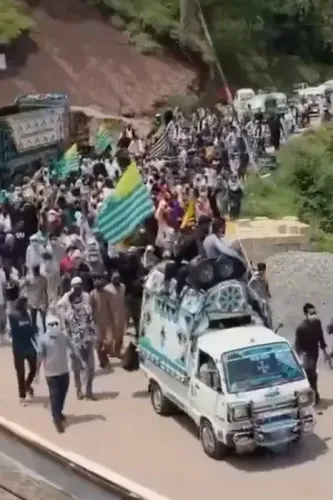
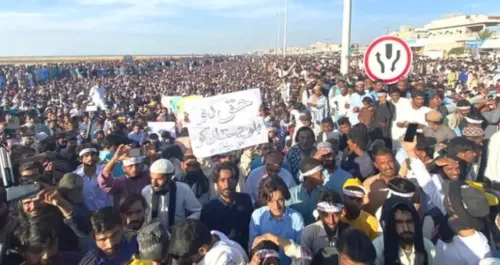
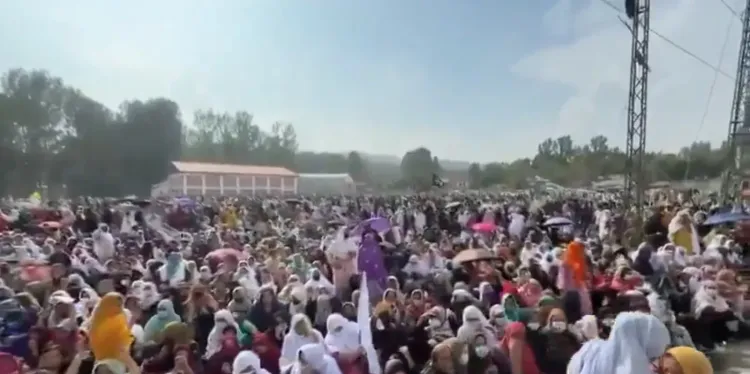
Demonstrations against Pakistani repression in Pakistan-occupied Kashmir (PoK) are intensifying across multiple continents, as the deaths of civilians in Rawalakot trigger a wave of diaspora-led protests from London to Washington, DC and Brussels, according to a report by Eurasia Review. The unrest signals a deepening governance crisis in the occupied territory and a mounting threat to Islamabad's international standing.
How the Movement Began
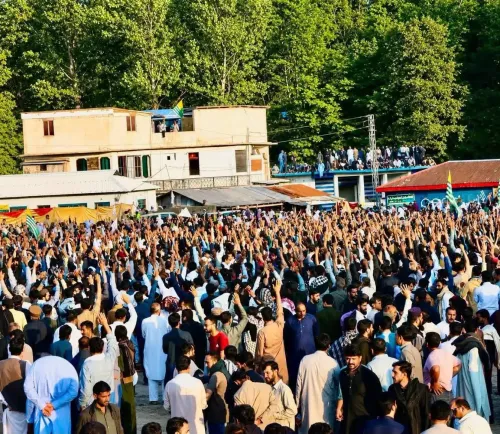
What started as a grassroots agitation over high electricity tariffs and subsidised flour has evolved into a full-scale confrontation led by the Joint Awami Action Committee (JAAC) — a coalition of traders, civil society groups, and activists. The movement's demands have since expanded into a 38-point charter, including a call to abolish the 12 Legislative Assembly seats reserved for refugees, which the JAAC characterised as a tool of Islamabad's political influence and a barrier to genuine local representation.
Islamabad's Crackdown and the Rawalakot Deaths
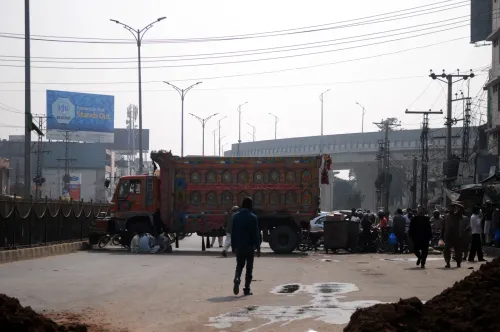
When negotiations collapsed in June 2026, authorities chose repression over dialogue. On 5 June, the government declared the JAAC a proscribed organisation under antiterrorism laws, suspended internet and mobile services, and announced regional elections for late July. Amnesty International condemned the move as a dangerous escalation, warning that antiterrorism legislation was being weaponised against a political protest movement.
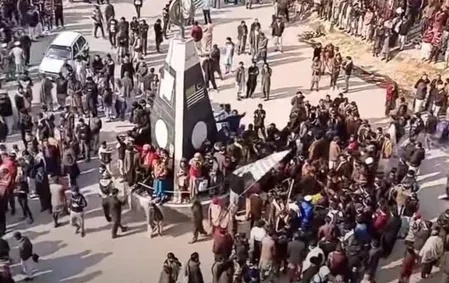
The crackdown reached its most violent point in Rawalakot, where police and paramilitary forces attempted to forcibly disperse demonstrators, resulting in civilian deaths. The incident sent shockwaves well beyond PoK, according to the report.
Global Diaspora Response
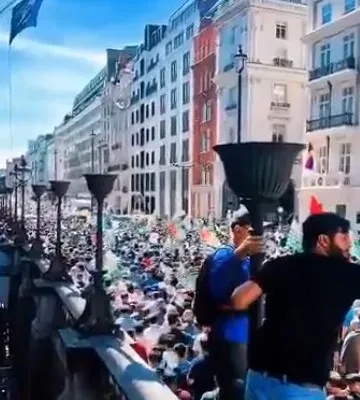
The killings in Rawalakot galvanised the Kashmiri diaspora in Britain, who mobilised outside Pakistan's diplomatic mission in London on 9 June. A larger march followed on 5 July, with thousands marching through central London toward the Pakistan High Commission, demanding the release of detainees, accountability for civilian deaths, and an end to the communications blackout.
Solidarity actions in Bradford and outside the High Commission underscored the movement's transnational reach. Across the Atlantic, Kashmiri communities from Washington, DC, Maryland, and Virginia staged a demonstration near the White House on 11 July, calling for international intervention, restoration of communications, and an independent investigation into protest-related deaths.
On Wednesday, members of the Kashmiri diaspora in Belgium staged a protest march from the European Parliament to the United Nations office in Brussels, condemning the killings of civilians by Pakistani forces and calling for international attention to ongoing human rights abuses in PoK.
British Parliamentarians Raise Alarm
Several British parliamentarians have expressed grave concern over the crackdown. British Labour Party MP Liam Byrne said reports of live fire being used against peaceful protesters in PoK are 'deeply alarming.' Fellow MP Adnan Hussain called the killings a 'tragedy,' adding that 'any use of excessive or unlawful force by Pakistani authorities must be subject to a full, independent, and transparent investigation.'
What Comes Next
The Eurasia Review report warns that if Islamabad continues to treat political dissent as terrorism, it risks not only further destabilising PoK but also eroding its international standing. As protests by Kashmiri diaspora groups continued into August 2026, the pressure for independent accountability is mounting — and the window for a negotiated resolution is narrowing.
Point of View
Near the White House, and at the UN office in Brussels are not spontaneous outbursts — they reflect a diaspora that is organised, media-savvy, and increasingly effective at shaping Western parliamentary opinion. The engagement of British Labour MPs signals that PoK is no longer a bilateral India-Pakistan issue that Western governments can quietly sidestep. Islamabad's communications blackout, far from containing the narrative, has amplified it — every internet shutdown is now a dateline in an international story about repression.
NationPress
30 Sept 2026
Frequently Asked Questions
What triggered the JAAC protests in Pakistan-occupied Kashmir?
The protests began as a grassroots movement demanding lower electricity tariffs and subsidised flour in Pakistan-occupied Kashmir. They were led by the Joint Awami Action Committee (JAAC), a coalition of traders, civil society groups, and activists, whose demands later expanded into a 38-point charter including the abolition of 12 refugee-reserved Legislative Assembly seats.
What happened in Rawalakot during the PoK crackdown?
Police and paramilitary forces attempted to forcibly disperse protesters in Rawalakot, resulting in civilian deaths. The killings sent shockwaves beyond PoK and prompted international diaspora protests and condemnation from Amnesty International and British parliamentarians.
Why did Amnesty International condemn Pakistan's response to the JAAC protests?
Amnesty International condemned Islamabad's decision on 5 June 2026 to declare the JAAC a proscribed organisation under antiterrorism laws, calling it a dangerous escalation and warning that antiterror legislation was being weaponised against a legitimate political protest movement.
Which countries have seen Kashmiri diaspora protests over the PoK crackdown?
Kashmiri diaspora protests have taken place in the United Kingdom (London and Bradford), the United States (near the White House on 11 July), and Belgium (a march from the European Parliament to the UN office in Brussels). Protesters have demanded restoration of communications, accountability for civilian deaths, and international intervention.
What have British MPs said about the PoK situation?
British Labour Party MP Liam Byrne described reports of live fire against peaceful protesters as 'deeply alarming.' MP Adnan Hussain called the civilian killings a 'tragedy' and called for a full, independent, and transparent investigation into the use of force by Pakistani authorities.