Rawalakot protests: Report alleges deadly Pakistan crackdown
Synopsis
A security operation against protest camps in Rawalakot reportedly left people dead and injured, but casualty figures remain disputed. The protests sought lower food and electricity costs as well as political reforms in Pakistan-occupied Kashmir.
Key Takeaways
Pakistani security personnel launched an operation against JAAC camps in Rawalakot on 5 November , according to a report.
At least seven people were reportedly killed and 23 injured in the first two hours ; the overall death toll remains disputed.
The camps at Matiyal Mara bus terminal and D Chowk had been maintained since 5 June .
A partial shutdown was observed in six districts on 9 November after a JAAC call.
The JAAC's 38-point charter includes lower electricity tariffs and wheat prices, political autonomy and removal of 12 reserved assembly seats .
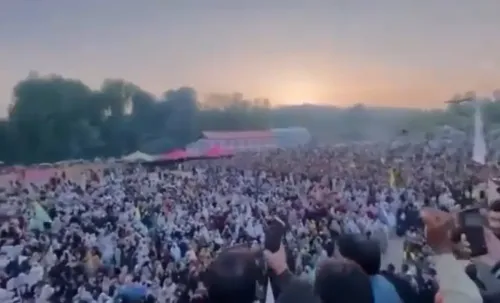
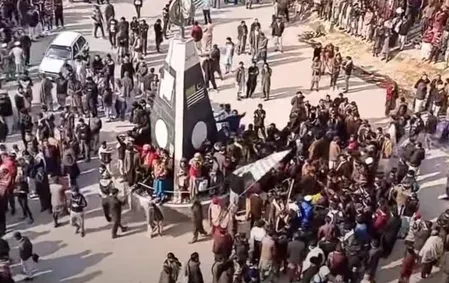
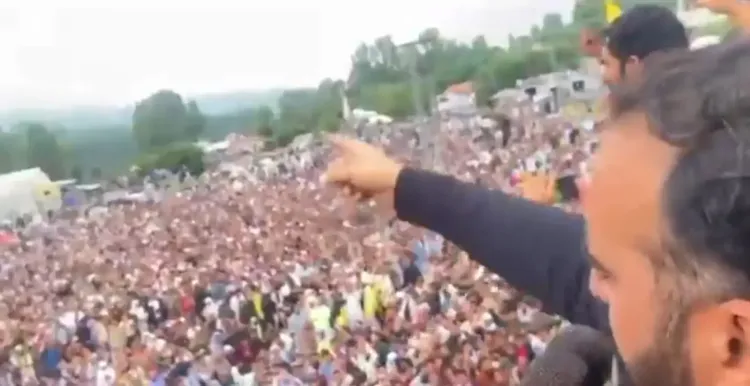
The Rawalakot protests in Pakistan-occupied Kashmir faced an operation by Pakistani security forces on 5 November, with deaths and injuries reported and the final toll disputed, according to a report in European Times. Demonstrators had sought lower food and electricity costs, alongside political and administrative reforms.
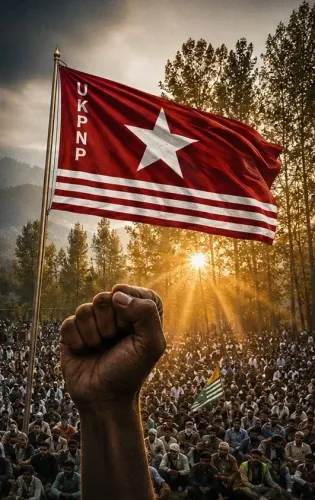
The report said the operation targeted camps organised by the Jammu Kashmir Joint Awami Action Committee (JAAC) at the Matiyal Mara bus terminal and D Chowk. It characterised the response as inconsistent with Pakistan's advocacy of Kashmiri rights internationally.
Security operation and disputed casualties
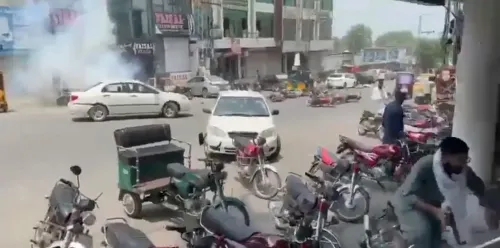
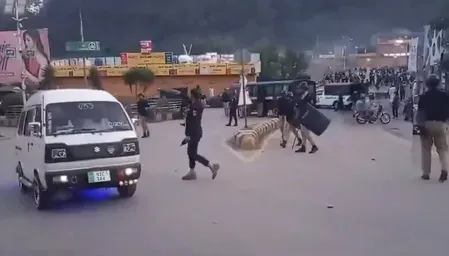
Pakistani Rangers, Frontier Corps personnel and local police launched the operation against the camps, which protesters had maintained since 5 June, according to the report. At least seven people were reportedly killed and 23 others injured during its first two hours.
The total number of deaths remains contested. While later reports put the toll at seven, some claimed that 18 people, including four children, were killed.
The JAAC also said two more people, reportedly including a 10-year-old girl, were killed after drones allegedly dropped explosives on residential areas. Protesters accused security personnel of using mortar shells, armed drones and heavy weapons against demonstrators and residential areas; those allegations could not be independently verified from the information available.
Internet and telephone services remained suspended and electricity was cut in several parts of the region, making independent verification of casualty figures difficult, the source said. It did not establish a definitive death toll or independently verify the competing accounts.
Protests spread beyond Rawalakot
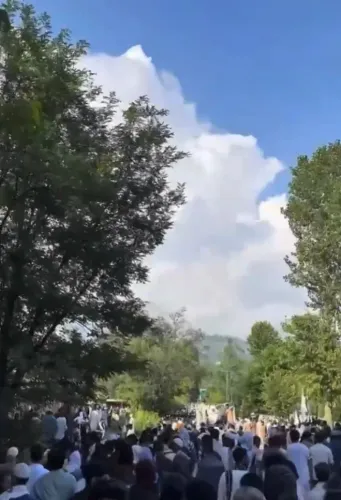
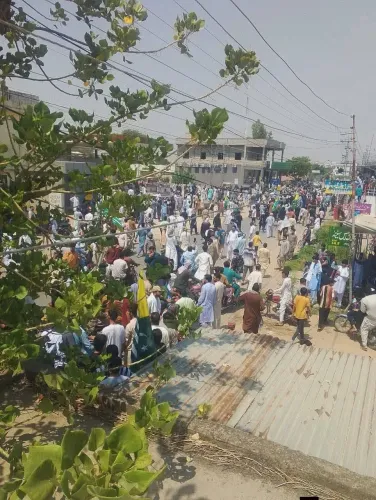
A partial shutdown was observed in six districts on 9 November following a call by the JAAC, according to the report. The action indicated that protest activity had continued beyond Rawalakot after the operation.
The committee urged Pakistan Army Chief Asim Munir to stop military operations, while protesters raised slogans directed at him. The report interpreted the appeal to the army chief rather than an elected lawmaker as evidence of limited civilian authority in the region.
Food prices and reform demands
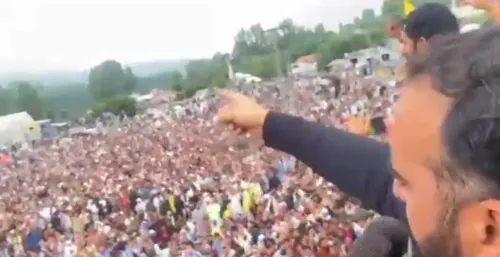
Protests began in June after the JAAC called for demonstrations against the high prices of flour and other essential foods. Thousands took part across Pakistan-occupied Kashmir, seeking lower prices, improved education and basic rights, according to the source.
The committee presented a 38-point charter that includes lower electricity tariffs and wheat prices, better healthcare and education, more jobs and political autonomy. It also calls for the removal of 12 reserved seats in the region's legislative assembly.
Those demands encompass both household costs and the region's political arrangements. The source does not specify a timetable for addressing them or provide a response from Pakistani authorities to the allegations.
Calls for investigation and restored services
European Times called for an independent investigation into the deaths, the lifting of the ban on the JAAC, the release of detainees and the full restoration of communication services. The report argued that the operation exposed a contradiction between Islamabad's international position on Kashmiri rights and its response to protesters.
Further clarity will depend on independent verification of the casualties and allegations, as well as any response from the authorities to the committee's demands.
Point of View
Not optional. Demands for affordable food and electricity also sit alongside questions about political representation, so a security response alone cannot address the full range of grievances. Authorities should restore communications and allow credible investigation of both the deaths and allegations concerning weapons used against residential areas.
NationPress
23 Nov 2026
Frequently Asked Questions
What happened during the Rawalakot protests?
Pakistani security personnel launched an operation against JAAC protest camps in Rawalakot on 5 November, according to a report. Deaths and injuries were reported, but the total number killed remains disputed.
How many people were killed in Rawalakot?
The death toll has not been independently established. At least seven people were reportedly killed in the first two hours, while some reports claimed 18 deaths and the JAAC reported two more deaths in an alleged drone attack.
What are the JAAC protesters demanding?
The JAAC's 38-point charter calls for lower electricity tariffs and wheat prices, better healthcare and education, more jobs and political autonomy. It also seeks the removal of 12 reserved seats in the region's legislative assembly.
Did the protests spread beyond Rawalakot?
A partial shutdown was observed in six districts on 9 November after a call by the JAAC. The committee also urged Pakistan Army Chief Asim Munir to stop military operations.
What happens next after the Rawalakot operation?
The source does not provide a timetable for an investigation or for action on the protesters' demands. The report calls for an independent investigation, restoration of communications, release of detainees and lifting of the ban on the JAAC.