Rubio: Trump still open to Iran deal, warns of military action over nuclear push
Synopsis
At the UN General Assembly, Secretary of State Rubio confirmed active backchannel contacts with Iran mediators — even as he warned of military action and refused to rule out tariffs. Trump's stated openness to a deal coexists with an unverified accusation that Iran fired on ships the very same morning, underscoring how perilously close diplomacy and confrontation are running in parallel.
Key Takeaways
Secretary of State Marco Rubio confirmed on 24 September 2026 that President Trump remains open to a deal with Iran .
US officials held talks with Iran mediators the previous day; terms and identities of mediators were not disclosed.
Rubio warned Iran faces escalating economic pressure and possible military action if it continues pursuing a nuclear weapon.
The Strait of Hormuz southern lane is reportedly open, with the US military credited for defending vessels and removing mines — claims not independently verified.
Rubio rejected the idea that Tehran could wait out US midterm elections , saying Trump holds broad national security powers regardless of Congressional composition.
Washington's stated baseline: a 'long-term and enforceable commitment' from Iran to never pursue a nuclear weapon.
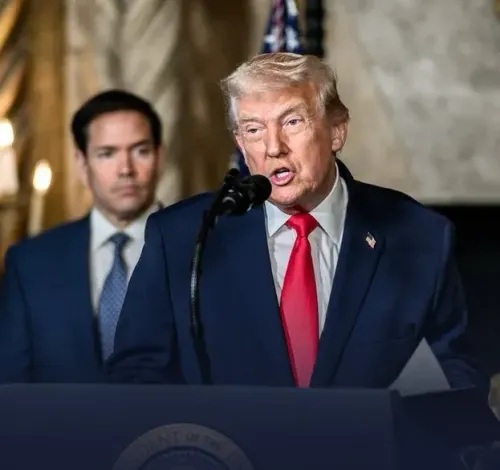
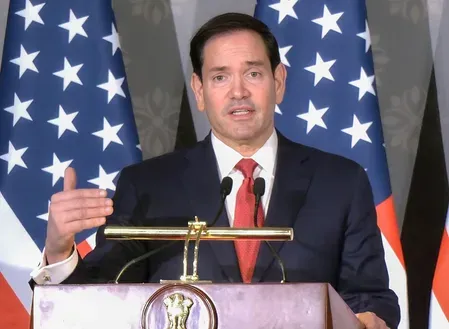
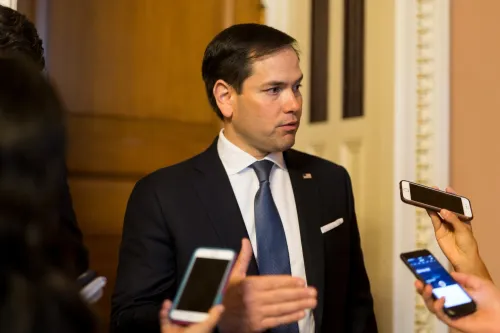
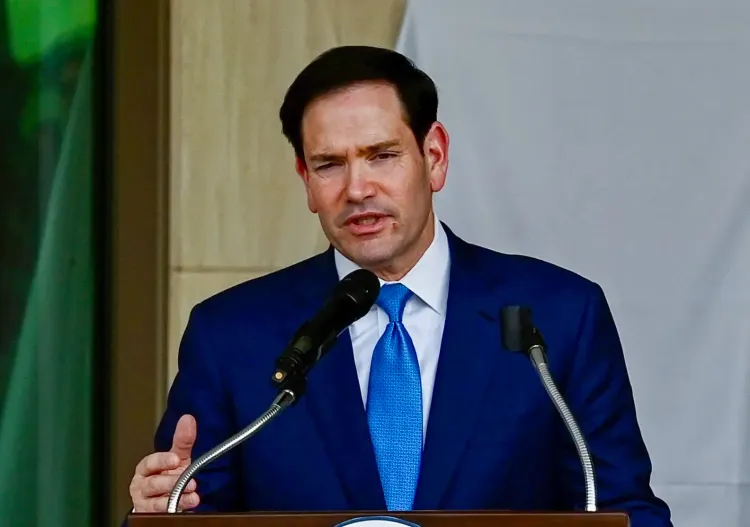
US Secretary of State Marco Rubio said on 24 September 2026 that President Donald Trump remained open to reaching a deal with Iran, even as he warned that Tehran could face escalating economic pressure and potential military action if it continued to pursue a nuclear weapon. Rubio made the remarks to reporters on the sidelines of the United Nations General Assembly in New York.
Trump's Openness to a Deal
'The president's open, still to this moment, to making a deal with Iran,' Rubio said, while making clear that Tehran's nuclear ambitions and its backing of armed groups across the region remained the central sticking points in any potential agreement. He stressed that any deal would require sustained diplomatic work and would not emerge from a single press conference.
Rubio confirmed that US officials had spoken with mediators involved in the Iran process the day before, but declined to identify those mediators or describe the terms discussed. He also refused to say whether earlier discussions had returned to the framework of a prior memorandum of understanding, noting only that Iran had violated it. 'I'm not going to characterise yesterday's talks,' he said.
Strait of Hormuz and Shipping Security
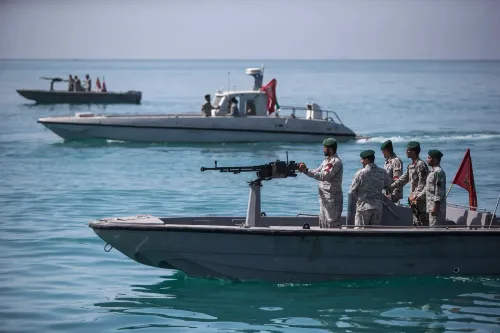
The Strait of Hormuz — a critical chokepoint connecting the Persian Gulf to the Gulf of Oman and a major artery for global oil shipments — featured prominently in Rubio's remarks. He said the strait's southern shipping lane was open and that oil volumes transiting the route were increasing daily, crediting the US military with defending vessels and clearing mines. Those claims could not be independently verified.
Rubio further accused Iran of continuing to fire on ships, citing what he described as another launch on Wednesday morning. He said Washington would persist in defending freedom of navigation and keeping the strait open. Iran's response to these allegations was not available at the time of reporting.
Iran's Midterm Election Gambit Rejected
Rubio pushed back on suggestions that Tehran might delay negotiations until after the US midterm elections, hoping a change in Congress would constrain Trump. He said Iranian officials were misreading the American political system. The president, he argued, holds broad national security powers — including authority over sanctions and the use of military force — and views the Iran question as a long-term security concern, not an electoral calculation.
Gulf Partners, Houthis and Tariff Legislation
Rubio said several Gulf partners shared US concerns, including the imperative to keep the Strait of Hormuz open, opposition to an Iranian nuclear weapon, and alarm over attacks linked to the Houthis in Yemen. He added that a number of countries also supported the economic pressure Washington was applying to Tehran.
On legislation granting Trump tariff authority related to Russia and Iran, Rubio described it as an additional diplomatic and economic tool, noting that national security waivers would allow the president to apply it on a case-by-case basis. He did not announce any new tariffs. Rubio also underscored that destroying Iran's nuclear facilities alone would not resolve the issue — Washington, he said, sought 'a long-term and enforceable commitment to never pursue a nuclear weapon, ever.'
What Comes Next
With direct or mediated talks apparently still active, and the Strait of Hormuz under recurring pressure, the diplomatic window remains narrow but, according to Rubio, not closed. The trajectory will depend heavily on whether Tehran signals a credible willingness to abandon its nuclear programme — something Washington has set as a non-negotiable baseline.
Point of View
However, is Washington's insistence that Iran is 'misreading' US politics: historically, adversaries have correctly calculated that US domestic cycles create negotiating leverage. The real test is whether the backchannel contacts amount to substantive progress or are being used to manage allied optics at a moment of heightened Strait of Hormuz tension.
NationPress
24 Sept 2026
Frequently Asked Questions
Is Trump willing to make a deal with Iran?
Yes, according to Secretary of State Rubio, President Trump remains open to a deal with Iran as of 24 September 2026. However, Rubio stressed that Tehran's nuclear programme and support for armed regional groups are central obstacles that must be resolved.
What did Rubio say about possible military action against Iran?
Rubio warned that Iran could face possible military action, in addition to mounting economic pressure, if it continued to pursue a nuclear weapon. He also said that destroying nuclear facilities alone would not settle the issue — Washington wants a long-term, enforceable commitment from Tehran to abandon its nuclear ambitions permanently.
What is happening at the Strait of Hormuz?
Rubio said the southern shipping lane of the Strait of Hormuz was open and that oil volumes were increasing daily, crediting US military operations for defending vessels and removing mines. He also accused Iran of firing on ships as recently as Wednesday morning, though those claims could not be independently verified.
Why did Rubio reject the idea that Iran could wait for US midterm elections?
Rubio said Iranian officials were misreading the American political system if they believed a change in Congress would prevent Trump from acting. He argued that the president has broad national security powers — including over sanctions and military force — and that Trump treats the Iran issue as a long-term security matter rather than an electoral one.
Where do US-Iran talks currently stand?
US officials held discussions with mediators involved in the Iran process on 23 September 2026, according to Rubio, though he declined to identify the mediators or describe the terms. He also refused to say whether the talks were based on an earlier memorandum of understanding, noting only that Iran had violated it.