Rubio says US-Iran diplomacy 'not productive', demands 'unacceptable'
Synopsis
US Secretary of State Marco Rubio has flatly declared that US-Iran diplomacy is 'not productive' and Tehran's demands 'unacceptable' — even as President Trump claims strikes are 'highly unlikely' and boasts the US could destroy 38 Iranian bridges in an hour. With Task Force Iron Gate activated and a naval blockade tightening, Washington is simultaneously pursuing talks and squeezing Iran harder than ever.
Key Takeaways
Secretary of State Marco Rubio said on 9 November 2026 that US-Iran diplomatic talks have made 'little progress' , calling Iran's demands 'unacceptable' and 'not realistic.' President Donald Trump said renewed large-scale military strikes on Iran are 'highly unlikely' as long as negotiations continue, but did not rule out further action.
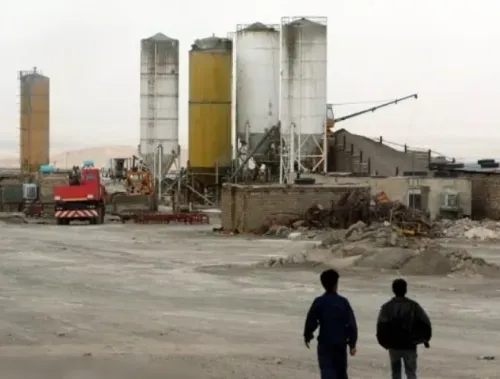
Trump claimed the US had identified Iranian infrastructure targets and could 'destroy 38 bridges in an hour.' The US Central Command announced Task Force Iron Gate — roughly 20 personnel — to disrupt weapons movement across Iran's borders.
Any final agreement is conditional, according to Trump, on Iran's nuclear programme and the reopening of the Strait of Hormuz.
Rubio is heading to France for a G7 Foreign Ministers' meeting where Iran is expected to be a central topic.
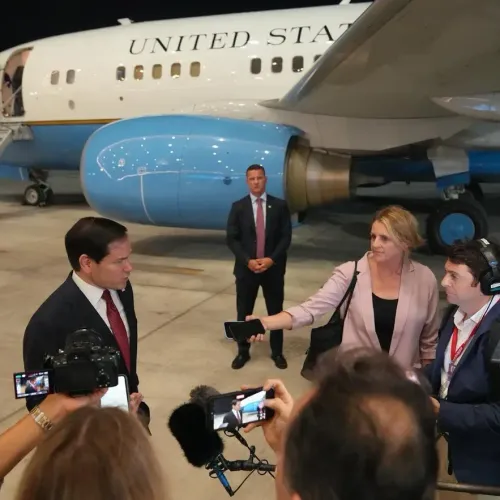
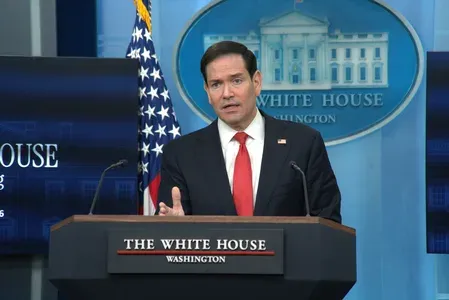
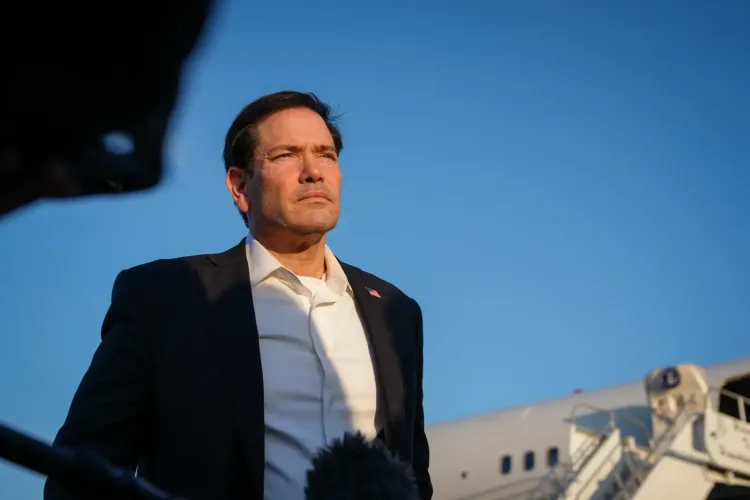
US Secretary of State Marco Rubio on Sunday, 9 November 2026 declared that diplomatic efforts to resolve the US-Iran conflict have yielded little progress, characterising Iran's negotiating demands as 'unacceptable' and in some cases 'not realistic.' Rubio made the remarks to reporters in Florida before departing for France to attend a Group of Seven (G7) Foreign Ministers' meeting.
Rubio's Assessment of Talks
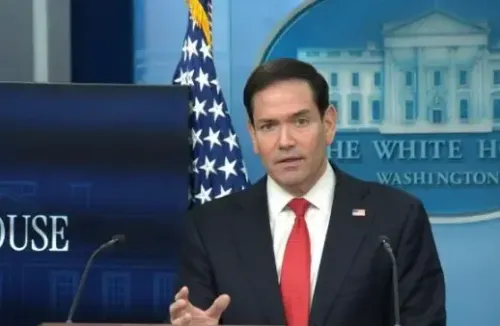
Rubio said bluntly: 'Right now, it hasn't been very productive because the Iranian demands are simply not just unacceptable, but in some cases … really not realistic.' He added that he would not characterise the situation as being 'at the verge of a breakthrough,' though he reiterated that the Trump administration continues to prefer a diplomatic resolution over military escalation.
Notably, this is the most candid public assessment yet from a senior US official on the state of negotiations — and it comes at a moment when both sides appear entrenched in their positions.
Trump Signals Military Strikes 'Highly Unlikely' — With Conditions
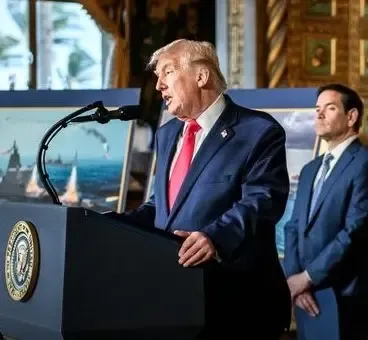
US President Donald Trump, speaking in a phone interview with CNN on Sunday, said it was 'highly unlikely' for the United States to resume large-scale military strikes against Iran as long as negotiations continued to make progress. However, he explicitly did not rule out further military action.
Trump claimed the United States had already 'dealt a severe blow' to Iran and suggested renewed strikes would 'most likely' not be necessary. He tied any final outcome to Iran's willingness to sign 'a very strong agreement' — covering both its nuclear programme and the reopening of the Strait of Hormuz.
In a pointed escalatory signal, Trump also claimed the United States had identified potential infrastructure targets inside Iran — including power plants and bridges — and asserted that the US could 'destroy 38 bridges in an hour.' He added: 'They want to make a deal so badly.'
Task Force Iron Gate and the Naval Blockade
The US Central Command on Saturday announced the formation of Task Force Iron Gate — a unit of approximately 20 military and civilian personnel — tasked with coordinating efforts across US government agencies to disrupt the movement of advanced weapons and other materials across Iran's land borders and other supply routes.
Trump said on social media on Sunday that the task force was 'in full force and effect' inside Iran and that, combined with the US naval blockade, 'very little gets into, or out of, Iran.' The blockade and Task Force Iron Gate together represent a tightening of the economic and military pressure campaign that has run parallel to diplomatic outreach.
Context and What Comes Next
The public divergence between Rubio's pessimism on talks and Trump's conditional optimism about avoiding strikes reflects the internal complexity of Washington's Iran strategy. This comes amid mounting international concern about the Strait of Hormuz — through which roughly 20% of the world's oil supply transits — remaining disrupted, with energy markets watching closely.
Rubio's travel to the G7 Foreign Ministers' meeting in France is expected to put Iran near the top of the multilateral agenda. Whether allied pressure can nudge Tehran toward more acceptable terms — or push Washington toward a compromise — will likely define the next phase of this standoff.
Point of View
And that hardliners and deal-seekers are still competing for the wheel. Trump's claim that the US could destroy 38 Iranian bridges in an hour reads less as military briefing and more as coercive bargaining — but public threats of infrastructure strikes carry escalation risk that diplomats at the G7 will have to manage. For India, which depends on stable Gulf energy routes, the Strait of Hormuz dimension is the most consequential variable: a prolonged blockade or military strike on Iranian infrastructure would send oil prices sharply higher and hit the current account hard.
NationPress
9 Nov 2026
Frequently Asked Questions
What did Marco Rubio say about US-Iran diplomatic talks?
Secretary of State Marco Rubio said on 9 November 2026 that the talks had been 'not very productive' because Iran's demands were 'unacceptable' and 'not realistic.' He also said he would not describe the situation as being near a breakthrough, though he reaffirmed Washington's preference for a diplomatic solution.
Did Trump rule out military strikes on Iran?
No. President Trump said renewed large-scale military strikes were 'highly unlikely' as long as negotiations made progress, but he explicitly did not rule out further military action. He also claimed the US had identified Iranian infrastructure targets including power plants and bridges.
What is Task Force Iron Gate?
Task Force Iron Gate is a newly formed US Central Command unit of approximately 20 military and civilian personnel, announced on Saturday, tasked with coordinating US government efforts to disrupt the movement of advanced weapons and other materials across Iran's land borders and other supply routes.
What are the key conditions Trump has set for a deal with Iran?
Trump indicated that any agreement must be a 'very strong' one covering Iran's nuclear programme and the reopening of the Strait of Hormuz. He said the US had already dealt a severe blow to Iran and that military action would 'most likely' not be necessary if Iran agreed to these terms.
Why does the US-Iran standoff matter for global energy markets?
The Strait of Hormuz is a critical chokepoint through which roughly 20% of the world's oil supply passes. Any prolonged military conflict or blockade involving Iran risks disrupting global energy supplies, pushing up crude oil prices and affecting import-dependent economies including India.