NATO defence spending hits $1.2 trillion surge, Rutte credits Trump pressure
Synopsis
NATO Secretary General Mark Rutte walked into the Oval Office with charts and a headline number — $1.2 trillion in cumulative defence spending by European allies and Canada since Trump first took office. The pitch was as much economic as strategic: close to 200,000 American jobs backed by European defence investment. But Trump's own question cut through the applause — are allies actually hitting the 5% GDP target? For the most part, he said, they are not.
Key Takeaways
NATO Secretary General Mark Rutte credited President Donald Trump with driving a $1.2 trillion cumulative increase in European and Canadian defence spending across his two presidencies.
Trump's current term alone has generated nearly $140 billion in additional allied defence spending, with a further $120 billion expected this year — a two-year total of over $250 billion .
European investment and defence purchases from US manufacturers support close to 200,000 jobs in the United States, with a $300 billion order backlog for US defence industrial output.
Germany has doubled its defence spending between 2021 and 2029 ; Poland , Denmark , and the Baltic states are also scaling up significantly.
NATO allies agreed at last year's summit to work towards spending 5% of GDP on defence and security by 2035 , though Trump noted most members have not yet reached that target.
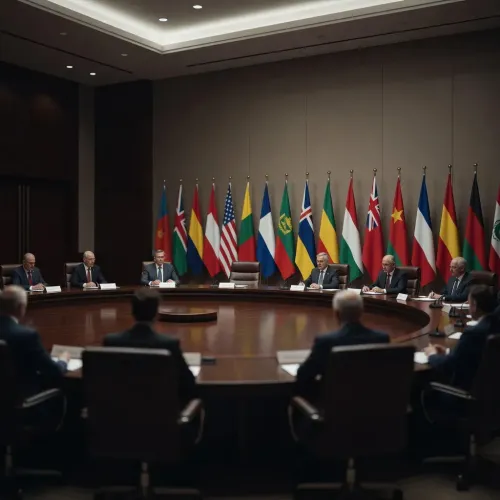
Expanding defence production capacity is set to be a central agenda item at the upcoming NATO summit in Ankara .
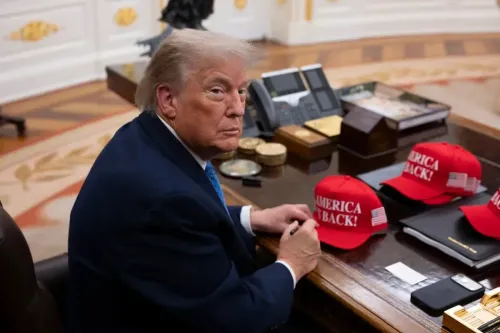
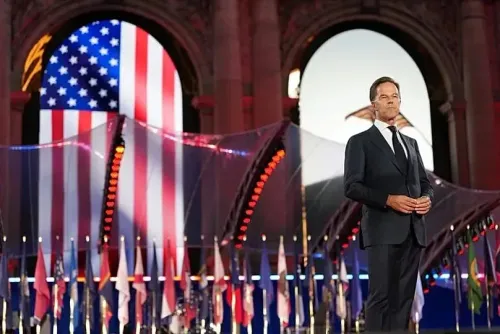
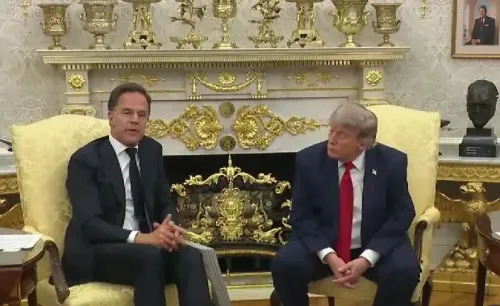
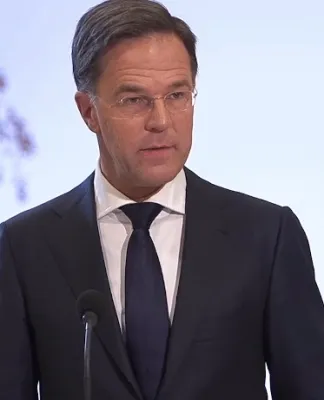
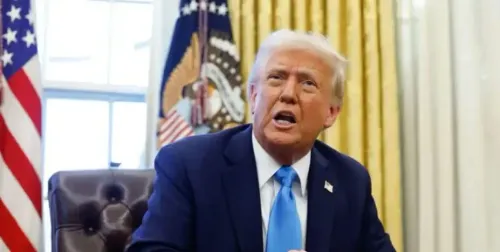
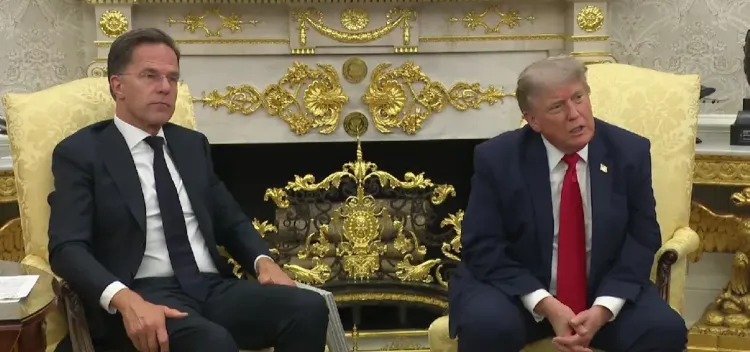
NATO Secretary General Mark Rutte on Wednesday, 25 June credited President Donald Trump with driving a historic surge in alliance defence spending, telling the US president in the Oval Office that European allies and Canada had committed an additional $1.2 trillion in defence investment across Trump's two presidencies. Rutte presented a series of charts to make his case, arguing that sustained American pressure had fundamentally reshaped NATO's spending culture.
The 'Trump Trillion' Argument
Rutte coined the phrase 'The Trump trillion' to describe the cumulative increase in European and Canadian defence spending since Trump first took office in 2017. He attributed the shift to persistent US pressure on allies to shoulder a greater share of collective security costs.
'When you look at the effect of Trump 47... You see almost $140 billion extra spent on defence by the Europeans and the Canadians,' Rutte said, adding that spending would rise by a further $120 billion this year — bringing the two-year increase to 'over $250 billion.'
Rutte was careful to attribute the shift to two factors. 'I can assure you this is because of Russia, because of the threat, but I'm also absolutely convinced that you, being president of the United States... [have been] consistently pushing' allies to increase defence spending, he said.
Economic Benefits for the United States
The NATO chief underscored the economic dividend flowing back to the US. He said investments by European companies were supporting 83,000 jobs in America, while European purchases from US defence manufacturers supported another 112,000 jobs — a combined total of 'close to 200,000 jobs' in the United States.
'Last year, they spent $54 billion on US defence industrial output. There is now an order backlog of $300 billion,' Rutte said, framing the alliance's spending surge as a mutually beneficial arrangement rather than a one-sided burden on Washington.
Trump's Pushback on the 5% Target
Trump welcomed the figures but pressed on whether allies were meeting NATO's new 5% of GDP defence spending target, agreed at last year's summit. 'The big question is, are they paying the five per cent? For the most part, they're not paying,' Trump said.
Rutte acknowledged the shortfall but pointed to accelerating progress. Germany has doubled its defence spending between 2021 and 2029, he noted, while Poland, Denmark, the Baltic states and other allies were also making significant increases. Speaking to reporters outside the West Wing, Rutte said the alliance had seen 'an almost 20 per cent increase' in spending in a single year.
Ankara Summit and Industrial Capacity
Rutte flagged that expanding defence production would be a central theme of the upcoming NATO summit in Ankara. 'We can spend as much as we want, but we need the interceptors, the missiles, we need the tanks, we need the artificial intelligence,' he said, signalling that raw spending commitments must translate into actual military hardware and technology.
He also described Trump's role at last year's summit as 'one of his biggest foreign policy successes in 2025,' crediting the US president with securing the landmark commitment to spend 5% of GDP on defence and security by 2035. NATO leaders agreed at that summit that allies would submit annual national plans to track progress toward the target.
Point of View
Then use it to lock in continued US engagement. The $1.2 trillion figure spans two presidencies and conflates very different geopolitical moments, making it a political talking point as much as a defence metric. The more revealing exchange was Trump's own pushback: if allies are not yet at 5% of GDP, the applause is premature. The real test of this spending surge is whether it translates into interoperable military capability before the Ankara summit sets the next benchmark.
NationPress
23 Sept 2026
Frequently Asked Questions
What is the $1.2 trillion NATO defence spending figure Rutte cited?
It represents the cumulative increase in defence spending by European NATO allies and Canada across President Trump's two presidencies, as presented by NATO Secretary General Mark Rutte during a meeting at the Oval Office on 25 June. Rutte used the figure to argue that sustained US pressure had transformed allied spending behaviour.
How much has European defence spending increased under Trump's current term?
According to Rutte, European allies and Canada spent nearly $140 billion extra on defence since Trump's current term began, with a further $120 billion expected in the current year — bringing the two-year total to over $250 billion.
How many US jobs does European defence spending support?
Rutte said European company investments support 83,000 jobs in the US, while European purchases from American defence manufacturers support another 112,000 jobs — a combined total of close to 200,000 American jobs. He also cited a $300 billion order backlog for US defence industrial output.
What is NATO's new defence spending target and are allies meeting it?
NATO leaders agreed at last year's summit to work towards spending 5% of GDP annually on defence and security by 2035. Trump noted that most allies are not yet meeting this target, though Rutte pointed to accelerating progress, including Germany doubling its defence spending between 2021 and 2029.
What will the NATO summit in Ankara focus on?
Rutte said expanding defence production capacity — including interceptors, missiles, tanks, and artificial intelligence — will be a central theme of the upcoming NATO summit in Ankara. He emphasised that financial commitments must translate into actual military hardware and technology.