South Korea reviews multicultural family programs amid reverse discrimination debate

Synopsis
South Korean President Lee Jae Myung's social media remarks questioning preferential treatment for multicultural families have set off a formal government audit — with Seoul already inspecting 26 such programs. In a country grappling with record-low birth rates and rising immigration, the review pits social equity against majority fairness in a debate that could reshape minority policy across the peninsula.
Key Takeaways
South Korea's Ministry of Justice has directed municipalities to audit multicultural family support programs as of late October 2026 .
President Lee Jae Myung triggered the review with a social media post questioning preferential programs, calling reverse discrimination unjustifiable.
Seoul city government is inspecting 26 multicultural support programs, including daycare priority slots and postpartum care centre access.
As of last year, 1.25 million people across 451,492 households were classified as multicultural families in a nation of 51 million .
Seoul Mayor Oh Se-hoon acknowledged the need for policy support but called for more carefully designed programs with broader public demand.
The South Korean government has launched a formal review of support programs for multicultural families, legal sources said on 2 November 2026, following remarks by President Lee Jae Myung questioning whether such programs unfairly disadvantage ethnic Korean families. The review marks a significant shift in Seoul's approach to a policy framework that has been in place for years.
What Triggered the Review
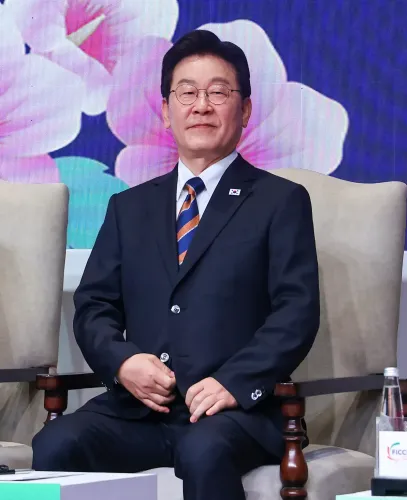
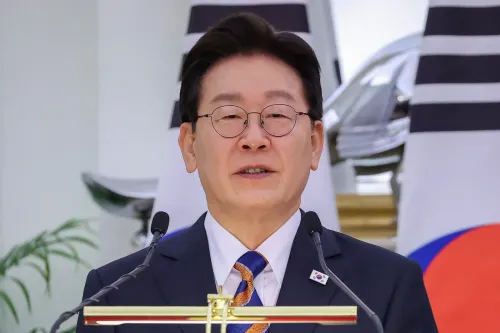
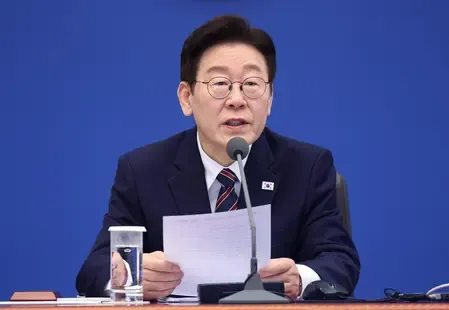
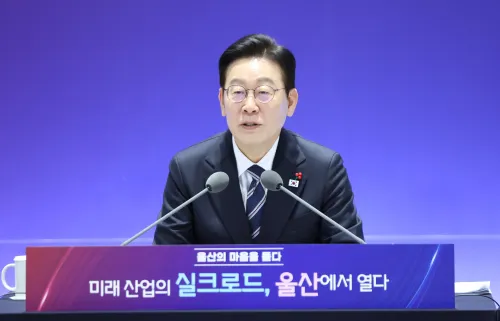
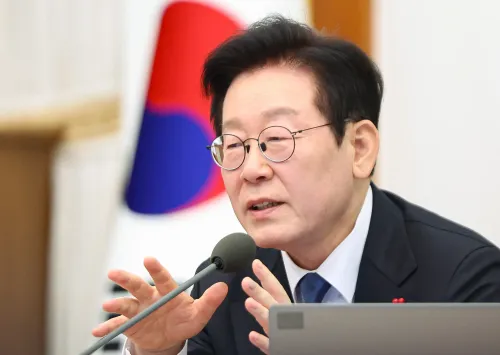
President Lee Jae Myung stated in a social media post last week that he would examine whether preferential support programs for multicultural families remained necessary, according to reports citing Yonhap. The remarks drew sharp criticism from observers who argued they risked inciting social division. Lee, however, has stood firm, asserting that any preferential policy producing reverse discrimination cannot be justified.
Government Actions So Far
The Ministry of Justice has directed local municipalities to audit the status of their multicultural support programs. Based on the findings, the ministry is expected to assess whether existing arrangements constitute discriminatory treatment against Korean families, according to sources familiar with the process. Seoul city government has separately begun inspecting 26 support programs in the capital, including provisions that grant children from multicultural households priority slots at daycare centres irrespective of income level. The city also runs postpartum care centres that offer priority access to mothers from multicultural families and persons of national merit.
Seoul Mayor Acknowledges Need for Balance
Seoul Mayor Oh Se-hoon reportedly directed city officials to identify improvements to such programs even before the president's public comments. At a press conference on Thursday, Oh acknowledged the importance of policy support for multicultural families but cautioned that programs with broad public demand must be designed with greater care. His remarks suggest a growing consensus among senior officials that a recalibration, rather than elimination, is the likely outcome.
Scale and Context of Multicultural Families in Korea
Multicultural families remain a relatively small segment of South Korea's population of approximately 51 million. As of last year, around 1.25 million people were part of 451,492 multicultural households, according to data from the data ministry. The review comes amid a broader national conversation about demographic decline, immigration policy, and social cohesion — tensions that have intensified as Korea's birth rate continues to fall to historic lows.
What Comes Next
The ministry's review process is ongoing, with findings from municipalities expected to inform any policy revision. Critics argue the review risks stigmatising multicultural families who rely on existing programs, while supporters contend that fairness demands scrutiny of all preferential policies. How the government ultimately calibrates its response will set a precedent for the treatment of minority communities in an increasingly diverse South Korea.
Point of View
Questioning minority-targeted welfare is a low-risk move for a president under pressure to appear decisive on domestic equity. Yet the framing of 'reverse discrimination' is loaded — the 1.25 million people in multicultural households represent barely 2.4% of South Korea's population, making the 'unfair advantage' argument statistically thin. What is missing from the official narrative is any acknowledgment that many multicultural families face systemic disadvantage — language barriers, limited social networks, employment discrimination — that the programs were designed to offset. Recalibrating without that lens risks laundering inequality as fairness.
NationPress
2 Nov 2026
Frequently Asked Questions
Why is South Korea reviewing multicultural family support programs?
The review was initiated after President Lee Jae Myung publicly questioned whether preferential support programs for multicultural families were causing reverse discrimination against ethnic Korean families. The Ministry of Justice subsequently directed municipalities to audit their programs.
What kinds of programs are being examined?
Programs under scrutiny include priority daycare slots for children of multicultural families regardless of household income, and postpartum care centre priority access for mothers from multicultural backgrounds. Seoul city is auditing at least 26 such programs.
How large is the multicultural population in South Korea?
As of last year, approximately 1.25 million people lived in 451,492 multicultural households in South Korea, according to the data ministry. This represents a small minority of the country's total population of around 51 million.
What has Seoul Mayor Oh Se-hoon said about the review?
Mayor Oh Se-hoon acknowledged the need for policy support for multicultural families but said programs in high demand must be more carefully designed. He reportedly directed city officials to identify improvements to the programs even before President Lee's public remarks.
What happens after the review is complete?
Based on municipal findings, the Ministry of Justice is expected to assess whether existing programs constitute discriminatory treatment and recommend policy revisions. The outcome is likely to set a broader precedent for how South Korea structures welfare support for minority communities.