Sacks: War and inflation cost Republicans the midterms
Synopsis
White House AI and Crypto Czar David Sacks blamed Republican midterm losses on the ongoing war and its inflationary economic consequences, while pointing to strong job and GDP growth as evidence that ending the conflict now would swiftly cool inflation.
Key Takeaways
David Sacks , White House AI and Crypto Czar, stated that Republicans lost the 2026 midterms because of the ongoing war and its economic consequences.
Sacks acknowledged that job growth and GDP growth remain strong despite the electoral setback.
He argued that inflation would drop quickly if the war is ended immediately, framing peace as an economic lever, not just a strategic one.
The post reflects a recurring pattern in which foreign conflicts drive inflation and reshape US midterm election outcomes against the governing party.
Sacks stopped short of naming the specific conflict, but the implication — that the administration should move urgently toward ending it — is clear.
War has a price at the ballot box — and White House AI and Crypto Czar David Sacks is putting that bill squarely on the table. In a pointed post on Sunday, 8 November 2026, Sacks diagnosed the Republican midterm defeat in blunt terms: the conflict and the economic pain it carried did the damage, and the cure is already within reach.
The verdict Sacks is delivering
Sacks wrote plainly: 'Republicans lost the midterms because of the war and its economic consequences.' He did not name the conflict, but the framing was unmistakable — an ongoing military engagement whose costs have rippled through prices and household budgets. For a party that entered election season with strong job and GDP numbers, that is a stinging diagnosis: strong macro fundamentals were not enough to override voter frustration at the pump and the grocery store.
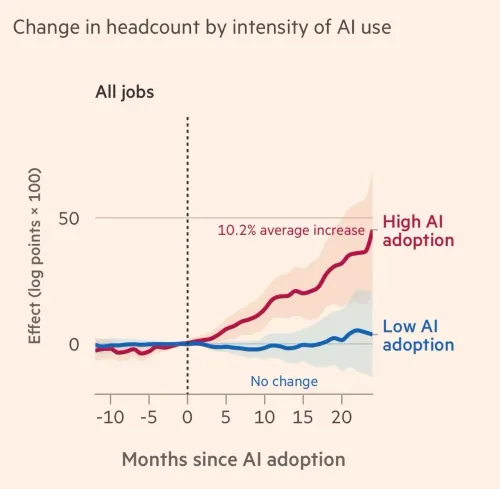
The silver lining Sacks attached is equally pointed. 'Job growth and GDP growth are still strong,' he noted, before landing the sharper claim: 'inflation will drop quickly if the war is ended now.' That is not merely analysis — it is a policy prescription wrapped in an electoral post-mortem.
Why war-driven inflation reshapes midterm maps
The pattern Sacks is invoking is a durable one in American political history. Military conflicts drive up energy and commodity prices, stretch supply chains, and push inflation into everyday life — and voters, reliably, hold the governing coalition responsible. The 2022 midterms offered a preview: energy-price spikes tied to the Ukraine conflict weighed on consumer confidence even as unemployment stayed low. When headline numbers look good but kitchen-table costs hurt, incumbents bleed support regardless of the GDP printout.
Sacks's argument is that this dynamic played out again in 2026, with Republicans — despite a White House focused heavily on economic growth — unable to insulate themselves from inflation anxiety linked to the ongoing conflict. The prescription he is floating — end the war, watch inflation fall — aligns with a broader push inside the Trump orbit to wind down foreign military entanglements as an economic, not just strategic, imperative.
What the numbers say — and what they don't yet settle
Sacks frames the macroeconomic picture as genuinely healthy: strong job growth, solid GDP expansion. That framing squares with the administration's public positioning heading into the vote. But inflation — sticky, visible, personal — apparently moved voters more than the top-line wins. The next official inflation, GDP, and employment releases will be the first real data test of whether the post-election political environment shifts the trajectory on the conflict Sacks is pointing at.
For the Republican Party, the reckoning Sacks is sketching is uncomfortable but actionable: the economic engine is running; the war is the drag. Whether Washington moves to pull that drag out is now the defining question heading into the next political cycle.
Point of View
The continuation of a foreign conflict — rather than messaging or candidate quality. By coupling the diagnosis with an economic fix ('end the war, end the inflation'), he is effectively applying pressure on the administration's foreign policy from within the broader Trump coalition. This aligns with the libertarian-leaning, anti-interventionist wing of Silicon Valley's political orbit, which has consistently argued that overseas military engagements carry hidden economic costs that hurt working Americans. If the analysis gains traction inside the White House, it could accelerate any existing momentum toward a negotiated settlement — making Sacks's X post less a commentary and more a policy signal.
NationPress
8 Nov 2026
Frequently Asked Questions
What did David Sacks say about the 2026 midterm election results?
David Sacks posted on X that Republicans lost the 2026 midterms because of an ongoing war and its economic consequences, particularly inflation, even as job growth and GDP growth remained strong.
Who is David Sacks and what is his role in the Trump administration?
David Sacks is the White House AI and Crypto Czar in the Trump administration, as well as a co-founder and general partner of Craft Ventures and a co-host of the All-In Podcast.
How does war cause inflation and affect US elections?
Wars typically drive up energy and commodity prices, disrupt supply chains, and raise household costs. Even when top-line economic indicators like GDP and employment remain strong, voter frustration with higher prices tends to hurt the governing party in midterm elections.
What solution did David Sacks propose for reducing inflation?
Sacks argued that inflation would drop quickly if the ongoing war is ended immediately, framing an end to the conflict as the most direct path to economic relief for American households.
Which war was David Sacks referring to in his post?
Sacks did not name the specific conflict in his post. The identity and current status of the war he referenced could not be independently verified at the time of publication.