Sacks Says AI Jobs Apocalypse Narrative Is Losing Ground

Synopsis
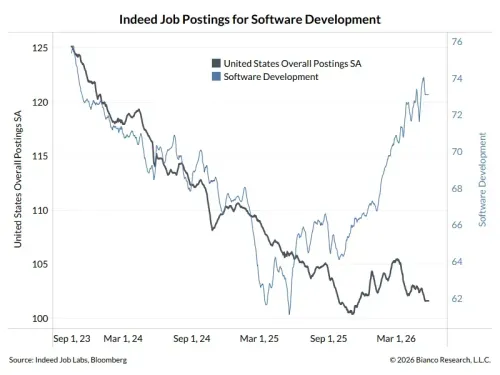
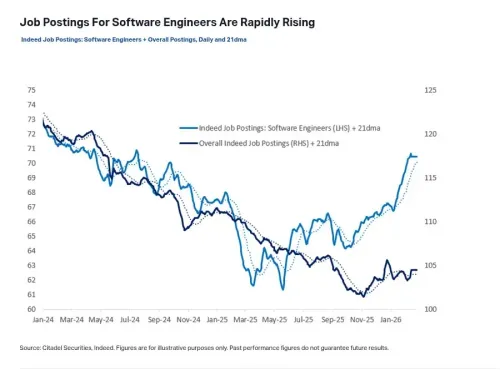
White House AI and Crypto Czar David Sacks declared on June 6, 2026 that the 'jobs apocalypse narrative' driven by AI-displacement fears is 'taking a beating,' signalling the Trump administration's confidence that labour-market data is outpacing doomsday forecasts.
Key Takeaways
David Sacks , White House AI and Crypto Czar, posted on June 6, 2026 that the 'jobs apocalypse narrative' around AI is 'taking a beating.' The statement is the most senior US technology-policy signal yet that real-world employment data is undercutting mass-displacement forecasts.
The Trump administration has favoured light-touch AI regulation since its second term began in January 2025 .
Executive Order 13859 (2019) established the American AI Initiative , the policy lineage underpinning current AI workforce strategy.
Forthcoming Bureau of Labor Statistics reports will be the key data test of Sacks's claim.
AI industry firms stand to benefit from reduced regulatory pressure if the no-displacement narrative gains official traction.
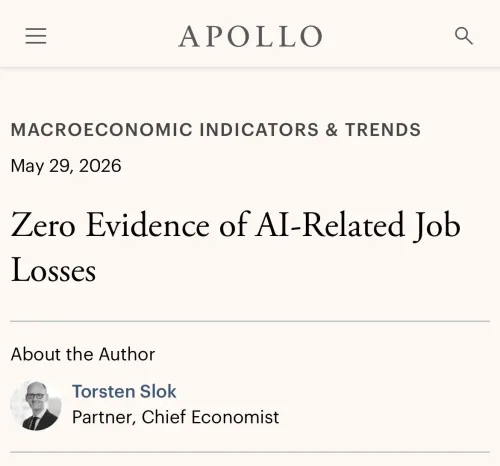
White House AI and Crypto Czar David Sacks pushed back on fears of mass AI-driven unemployment on Friday, June 6, 2026, declaring on X that the 'jobs apocalypse narrative' is 'taking a beating' — a pointed signal from the Trump administration's top technology policy official that labour-market data is undercutting doomsday forecasts.
Context
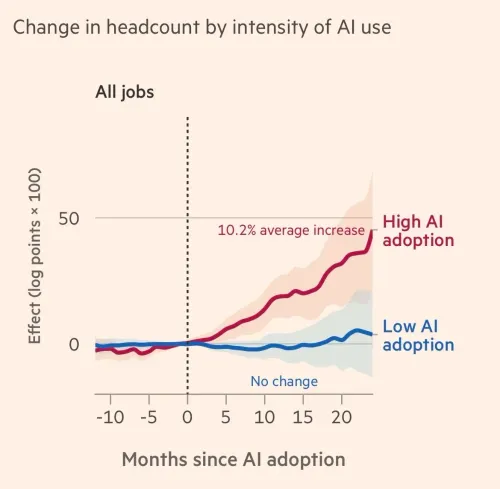
Sacks's three-word post lands against a backdrop of sustained public anxiety about artificial intelligence displacing workers at scale. Studies from the 2010s projected that a significant share of existing occupations faced high automation risk, seeding a 'jobs apocalypse' framing that has persisted in policy debates and media coverage ever since. The post implicitly signals that incoming employment data is not bearing those forecasts out.
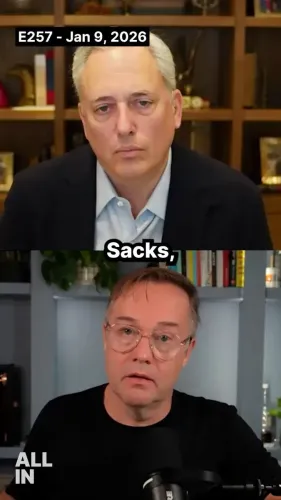
As White House AI and Crypto Czar, Sacks holds the most senior technology-policy role in the executive branch, making his commentary on labour-market trends more than a casual observation. His platform — both in government and as co-host of the widely followed All-In Podcast — amplifies the statement well beyond a routine social-media post.
Policy Backdrop
The Trump administration, in its second term beginning January 2025, has consistently favoured light-touch AI regulation, arguing that heavy-handed rules would stifle innovation and ultimately cost more jobs than they protect. Executive Order 13859, issued in 2019 under the first Trump term, launched the American AI Initiative to accelerate federal AI research and development and prepare the workforce for automation — a lineage the current White House has built upon.
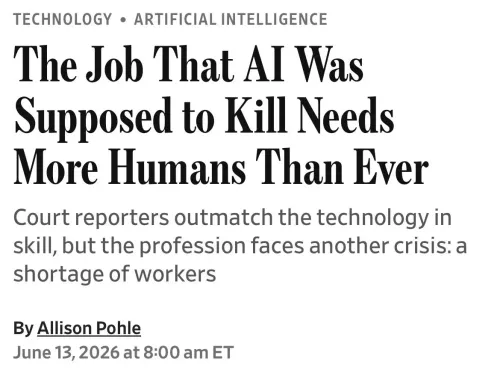
Economists and historians of technology frequently note that prior general-purpose technologies — electricity, computing, the internet — ultimately expanded net employment even as they disrupted specific occupations. Sacks's post aligns with that school of thought, suggesting the administration views the current AI wave through the same optimistic lens.
Stakeholders and Impact
The immediate stakeholders are the US workforce and the AI industry. For workers in sectors flagged as high-automation-risk — logistics, customer service, data entry, portions of white-collar knowledge work — the question of whether the apocalypse narrative is truly 'taking a beating' has concrete consequences for retraining investment, union bargaining positions, and social-safety-net policy.
For AI firms, a White House signal that displacement fears are overblown reduces political pressure for mandatory impact assessments or sectoral hiring quotas. Craft Ventures, the venture firm Sacks co-founded, has portfolio exposure to technology companies, though his public remarks in his government capacity carry the weight of official policy messaging.
What's Next
Attention will now turn to forthcoming Bureau of Labor Statistics employment reports, which will either substantiate or complicate Sacks's claim. Any new executive actions on AI workforce development or regulatory guardrails would sharpen the policy picture further. If labour data continues to show resilience, the administration is likely to use it as a justification for maintaining its deregulatory approach to AI — setting the stage for a broader political argument heading into the next congressional cycle.
Point of View
The White House shapes the interpretive lens through which upcoming jobs reports will be read. This fits a broader pattern in the second Trump administration of using high-profile technology officials to set the rhetorical terms of AI governance debates rather than waiting for regulatory bodies to act. For India, which is navigating its own anxieties about AI-driven displacement in IT and services, the US policy posture matters — a deregulatory American model puts pressure on other governments to compete on permissiveness. The real test will come when the next BLS release lands; if the numbers hold, Sacks's three words may prove to be the opening salvo of a sustained push to wind back AI labour-impact disclosure requirements.
NationPress
21 Oct 2026
Frequently Asked Questions
What did David Sacks say about AI and jobs?
David Sacks, the White House AI and Crypto Czar, posted on June 6, 2026 that the 'jobs apocalypse narrative' — the fear that AI will cause mass unemployment — is 'taking a beating,' suggesting labour-market evidence is not supporting worst-case forecasts.
Who is David Sacks and what is his role?
David Sacks is the White House AI and Crypto Czar in the second Trump administration, appointed to advance US leadership in artificial intelligence and cryptocurrency policy. He is also co-founder of Craft Ventures and co-host of the All-In Podcast.
Is AI actually causing mass job losses in the US?
As of mid-2026, the White House position is that the evidence does not support mass-displacement forecasts. Historically, general-purpose technologies have expanded net employment over time even while disrupting specific roles, though the debate remains active among economists.
What is the Trump administration's policy on AI and jobs?
The Trump administration favours light-touch AI regulation, arguing that heavy rules would stifle innovation. This approach builds on the American AI Initiative launched by Executive Order 13859 in 2019, which focused on accelerating AI R&D and workforce preparation.
What data will confirm or challenge Sacks's claim?
Forthcoming Bureau of Labor Statistics employment reports are the primary data source to watch. If job numbers remain resilient across sectors flagged as high-automation-risk, it will support Sacks's position; a deterioration would revive the displacement debate.