US senators demand probe into DHS 'Unlawful Voter' searches in California
Synopsis
A DHS whistleblower has alleged that USCIS officers impersonated California voters to access state registration records under a programme called the 'Unlawful Voter Initiative' — relying on data enriched through a process agency material reportedly called 'supplemental magic.' With thousands of Californians potentially receiving erroneous federal law-enforcement records, senators are pushing for a state-level investigation just weeks before the 2026 midterm cycle heats up.
Key Takeaways
Senators Alex Padilla and Adam Schiff asked California AG Rob Bonta on 21 September 2026 to investigate the DHS 'Unlawful Voter Initiative.' A whistleblower alleged that USCIS officers used government-held PII — including driver's licence numbers and partial Social Security Numbers — to access California's voter-registration website.
Officers reportedly faced daily quotas of 40 cases , allowing only about 12 minutes per review.
Data used in the searches was reportedly enriched through a process described in agency material as 'supplemental magic.' Potentially thousands or tens of thousands of California residents could have erroneous records in the federal TECS database as a result.
The referral is part of a wider effort: Padilla and 16 other Democratic senators have also sought a separate review by the DHS Inspector General.
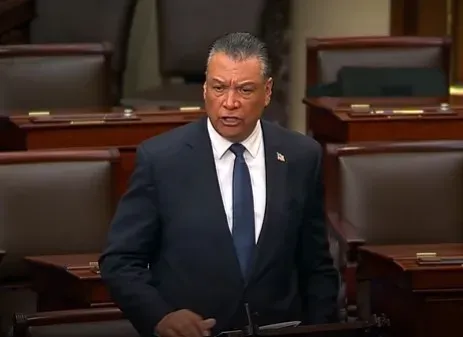
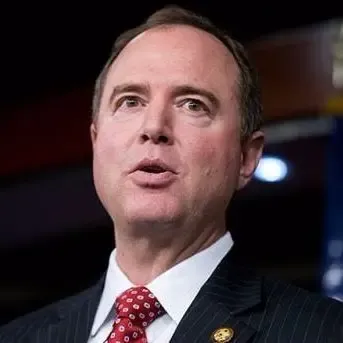
Two Democratic US senators have urged California Attorney General Rob Bonta to investigate allegations that federal immigration officers impersonated voters to access California's voter-registration system as part of a programme targeting suspected illegal voters. The request, dated 21 September 2026, was made by Senator Alex Padilla and Senator Adam Schiff, who cited a protected whistleblower disclosure describing operations within the Department of Homeland Security (DHS).
What the Whistleblower Alleged
According to the disclosure, officers from US Citizenship and Immigration Services (USCIS) Fraud Detection and National Security Directorate were directed to use government-held personal information — including driver's licence numbers and partial Social Security Numbers — to log into California's voter-registration website. The internal effort was reportedly called the 'Unlawful Voter Initiative.'
The whistleblower further alleged that officers were assigned daily quotas of 40 cases, leaving roughly 12 minutes per individual review. They were also reportedly required to enter findings into TECS, a federal law-enforcement database, even when officers had reason to doubt the underlying data.
Particularly alarming to the senators was a reference in agency material to a data-enrichment process described as 'supplemental magic.' 'The fact that the DHS data was compiled with something called "supplemental magic" does not provide reassurance,' Padilla and Schiff wrote in their letter to Bonta.
Scope and Risk to Californians
The senators warned that the population examined under the initiative could include US citizens, notably naturalised Americans, and that unreliable determinations could generate erroneous federal law-enforcement records. According to the disclosure, potentially thousands or tens of thousands of California residents could be affected by such records built on uncorroborated information.
'California's voter registration website is clearly intended for the use of voters themselves, and requires the use of sensitive personally identifiable information (PII) to access this voter data,' the senators noted.
How DHS Obtained the Data Remains Unclear
The senators highlighted that the US Department of Justice (DOJ) had previously failed in a legal attempt to compel California to hand over voter data to the Trump administration. That failure, they argued, raises serious questions about the provenance of the information DHS ultimately used — and whether it was collected lawfully.
'As you know, the U.S. Department of Justice has been unsuccessful in its attempt to compel California to provide its voter information to the Trump Administration, raising serious questions about what this data is, how DHS obtained it, and whether they complied with the law in collecting and using this data,' they wrote.
The senators said that agency leaders had reportedly dismissed internal concerns about the legality of the searches and instructed officers to proceed regardless.
Part of a Broader Congressional Push
The California referral is not an isolated action. Padilla and Senate Democratic leader Chuck Schumer had previously called on DHS and USCIS to halt the initiative outright. The two senators also joined 16 other Democratic senators in requesting an independent review by the DHS Inspector General. Together, these efforts signal a coordinated congressional effort to scrutinise the programme ahead of the 2026 midterm elections.
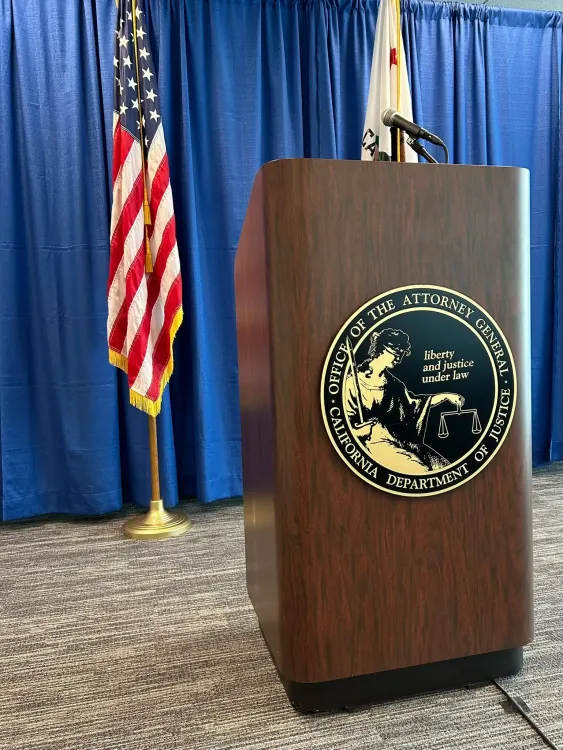
The senators asked Bonta to review the whistleblower disclosure, determine whether California's privacy and voter-information statutes were breached, and consider protective measures for affected residents. All claims in the disclosure remain allegations pending investigation.
Whether California's attorney general will open a formal inquiry — and whether it can reach into federal operations — will be among the key legal questions shaping the next phase of this dispute.
Point of View
Not merely procedural. The '12-minutes-per-case' quota and 'supplemental magic' data detail suggest a programme optimised for volume over accuracy — a serious concern given that false positives here land on a federal law-enforcement record. The 2026 midterm backdrop makes the timing of this disclosure politically charged on both sides, which is precisely why the California AG's response matters: it will determine whether state law can provide a check on federally directed operations that the courts have not yet directly addressed.
NationPress
22 Sept 2026
Frequently Asked Questions
What is the DHS 'Unlawful Voter Initiative'?
It is an alleged internal programme within US Citizenship and Immigration Services (USCIS) aimed at identifying people suspected of voting illegally. According to a protected whistleblower disclosure, USCIS officers were directed to use government-held personal information to access California's voter-registration website and investigate individuals — reportedly under daily quotas of 40 cases.
Why are Senators Padilla and Schiff asking California's attorney general to act?
The senators believe the described conduct may have violated California's laws on voter privacy and the use of personally identifiable information. They are asking Attorney General Rob Bonta to review the whistleblower disclosure, determine whether state law was breached, and consider protective measures for affected voters.
Who could be affected by these searches?
According to the senators, those examined could include US citizens — particularly naturalised Americans. The whistleblower warned that potentially thousands or tens of thousands of California residents could end up with erroneous entries in the federal TECS law-enforcement database based on unreliable data.
How did DHS obtain California voter data if a court blocked the Trump administration from getting it?
That question is at the centre of the senators' concern. The US Department of Justice previously failed in a legal attempt to compel California to hand over voter data to the Trump administration, making the source of DHS's information unclear. The senators have explicitly asked Bonta to investigate how the data was obtained and whether the collection was lawful.
What broader congressional action has been taken on this issue?
Beyond the California referral, Senators Padilla and Schiff, along with Senate Democratic leader Chuck Schumer and 16 other Democratic senators, have separately called on DHS and USCIS to halt the initiative and have requested an independent review by the DHS Inspector General — framing this as part of a wider effort to scrutinise the programme before the 2026 midterm elections.