US senators flag foreign control risk in Paramount-Skydance merger
Synopsis
Six Democratic senators are sounding the alarm over a $111 billion media mega-merger that could hand sovereign wealth funds from Saudi Arabia, the UAE, and Qatar ownership stakes of up to 100 per cent in Paramount's US broadcast stations — including CBS and potentially CNN. The proposal, senators argue, blows past a 25 per cent legal cap and sets a precedent the FCC has never before crossed.
Key Takeaways
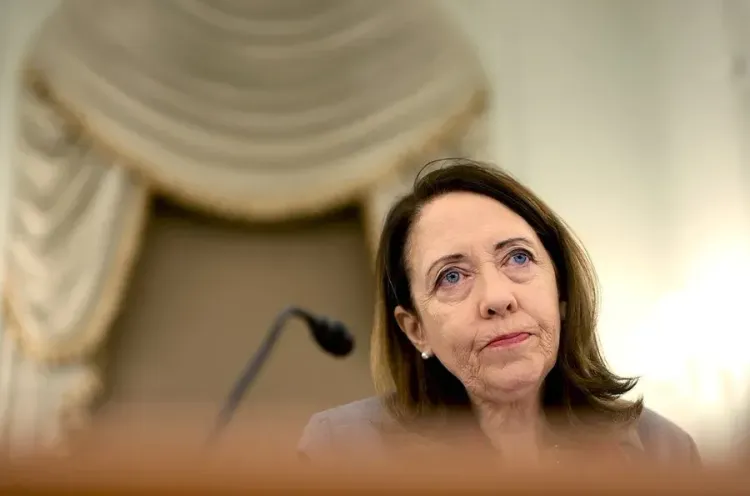
Six Democratic senators led by Maria Cantwell and Ben Ray Lujan wrote to FCC Chairman Brendan Carr on 22 May demanding a full national-security review.
The proposed financing structure would allow sovereign wealth funds from Saudi Arabia , the UAE , and Qatar to own between 49.5% and 100% of Paramount's FCC-licensed TV stations.
The $111 billion Paramount Skydance–Warner Bros.
Discovery merger would combine CBS , CNN , HBO , Paramount Pictures , and 28 local stations .
Section 310 of the Communications Act caps foreign ownership of US broadcasters at 25 per cent — a threshold the senators say this proposal vastly exceeds.
Senators also flagged reports that Tencent , identified by the Pentagon as linked to China's military, could take an equity stake in the merged entity.
The FCC has reportedly never approved a significant ownership stake of a US broadcaster by a sovereign wealth fund.
Six Democratic senators have written to Federal Communications Commission (FCC) Chairman Brendan Carr urging a rigorous national-security review of a proposed financing structure that could hand sovereign wealth funds from Saudi Arabia, the United Arab Emirates, and Qatar ownership stakes of up to 100 per cent in Paramount Global's FCC-licensed television stations. The letter, led by senators Maria Cantwell and Ben Ray Lujan, was sent on 22 May and raises sweeping concerns about press freedom, foreign dominance, and national security.
The Merger at Stake
The ownership question is tied to the planned $111 billion merger involving Paramount Skydance and Warner Bros. Discovery. If completed, the combined entity would control CBS television stations, Paramount Pictures, CNN, HBO, and a portfolio of other major American media properties. Paramount has separately filed with the FCC to authorise foreign investors to hold between 49.5 per cent and 100 per cent of equity in its licensed broadcast stations — a threshold the senators argue far exceeds legal limits.
Why Senators Are Alarmed
Under Section 310 of the Communications Act, foreign ownership of US broadcast licensees is capped at 25 per cent. The senators argued that Congress imposed this ceiling specifically to prevent 'foreign dominance' and propaganda risks. Their letter noted that Saudi Arabia, the UAE, and Qatar each suppress independent media domestically, citing the 2026 Press Freedom Index by Reporters Without Borders, which ranked Saudi Arabia among the world's worst performers on press freedom.
The senators also referenced a 2021 US intelligence assessment concluding that Saudi Crown Prince Mohammed bin Salman approved the operation against journalist Jamal Khashoggi. 'Foreign governments hostile to a free and independent press could exert unprecedented influence over a media conglomerate vital to American journalism and culture,' the senators wrote.
The Tencent Dimension
The letter raised additional alarm over reports that Tencent, a Chinese technology company identified by the Pentagon as linked to the Chinese military, could also acquire an equity stake in the merged entity. 'Allowing our most significant global adversary to partly own Paramount or a combined new entity that will own CNN and CBS News would risk our national security,' the senators warned. This concern adds a second geopolitical layer to what is already a complex regulatory challenge.
Questions Over FCC's Impartiality
The senators questioned Chairman Carr's impartiality, citing his earlier remarks that the FCC review would 'get through pretty quickly' and that the transaction was a 'good deal.' They demanded the matter be reviewed by the full Commission rather than resolved through staff-level approval. Historically, the FCC has never approved a significant ownership stake of an American broadcaster by a sovereign wealth fund, according to the senators' letter.
What Happens Next
The senators have called for a thorough Commission-level review before any approval is granted. Industry observers note that the outcome could set a landmark precedent for how the US regulates foreign sovereign capital in its broadcast infrastructure. With CBS News, CNN, 60 Minutes, and 28 local television stations potentially in play, the stakes extend well beyond a single corporate transaction.
Point of View
A Chinese tech firm with Pentagon-flagged military ties, and an FCC chairman who has publicly characterised the deal favourably before completing his review. If the Commission approves this at staff level without a full vote, it will have effectively rewritten US broadcast ownership law without legislation — and without accountability.
NationPress
6 Oct 2026
Frequently Asked Questions
What is the Paramount Skydance–Warner Bros. Discovery merger?
It is a proposed $111 billion media consolidation that would combine Paramount Global — owner of CBS, Paramount Pictures, and 28 local TV stations — with Warner Bros. Discovery, which owns CNN and HBO. The deal requires FCC approval because it involves transfer of broadcast licences.
Why are Democratic senators objecting to the merger's foreign financing?
The senators argue that the proposed financing structure would allow sovereign wealth funds from Saudi Arabia, the UAE, and Qatar to own up to 100 per cent of Paramount's FCC-licensed broadcast stations, far exceeding the 25 per cent foreign ownership cap set under Section 310 of the Communications Act. They warn this could give governments hostile to press freedom unprecedented influence over major US news outlets.
What is the concern about Tencent's involvement?
Senators flagged reports that Tencent, a Chinese technology company identified by the Pentagon as linked to China's military, could take an equity stake in the merged entity. They argued that allowing a Chinese-military-linked firm partial ownership of CNN and CBS News would pose a direct national security risk.
Has the FCC ever approved foreign sovereign ownership of a US broadcaster before?
According to the senators' letter, the FCC has never approved a significant ownership stake of an American broadcaster by a sovereign wealth fund. Past approvals of limited foreign investment have largely involved companies from allied nations, not state-controlled sovereign funds.
What are the senators asking the FCC to do?
They are demanding a rigorous, Commission-level review of Paramount's foreign ownership waiver request, rather than allowing staff to approve it behind closed doors. They also questioned FCC Chairman Brendan Carr's impartiality after he publicly described the transaction as a 'good deal' before completing the review.