Singapore to lead ASEAN climate push in 2027 chairmanship
Synopsis
Singapore's 2027 ASEAN chairmanship is shaping up as a climate-first agenda, with PM Lawrence Wong anchoring it under 'Deeper Integration Wider Partnerships' and Minister Grace Fu committing to a $500 million climate adaptation fund and an ASEAN Power Grid push — just as the bloc marks its 60th anniversary amid deepening global divisions.
Key Takeaways
Singapore assumes the ASEAN chairmanship in 2027 under the theme 'Deeper Integration Wider Partnerships' .
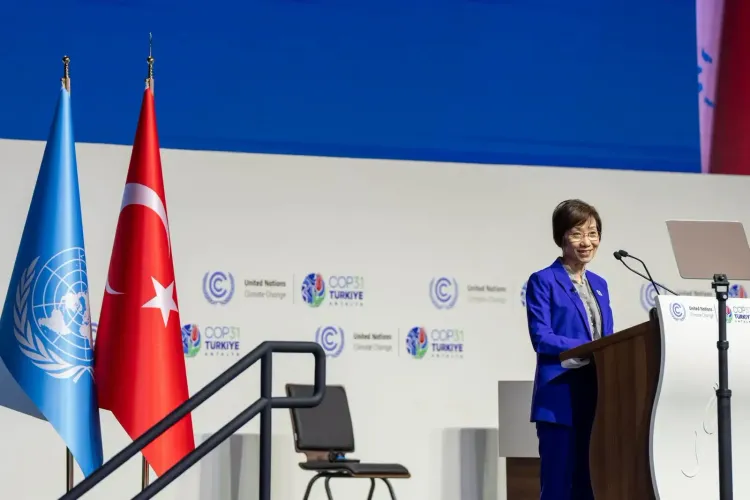
Minister Grace Fu outlined priorities at COP31 in Turkey : cross-border electricity trade, climate resilience, and food security.
Singapore will advance the ASEAN Power Grid and address financing barriers to cross-border electricity projects.
SPIRE Asia , a blended finance fund of up to 500 million US dollars , will mobilise investment in climate adaptation across the region.
Prime Minister Lawrence Wong described the chairmanship as 'particularly meaningful' as ASEAN turns 60 in 2027 .
Singapore will also work to combat transboundary haze through better land management and regional enforcement cooperation.
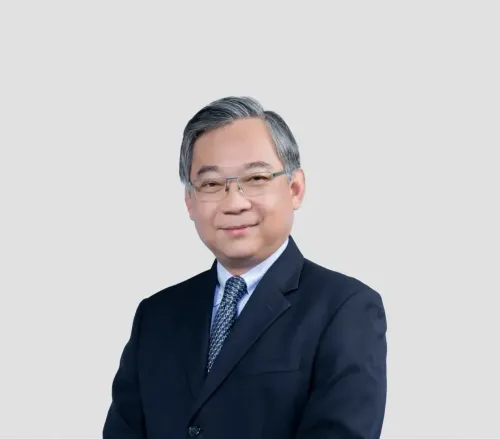
Singapore will deepen regional cooperation on climate action when it assumes the ASEAN chairmanship in 2027, with priority focus areas including cross-border electricity trade, climate resilience, and food security, Minister for Sustainability and the Environment Grace Fu announced on 18 November 2026. Fu made the declaration in Singapore's national statement at the 31st Conference of the Parties (COP31) to the UN Framework Convention on Climate Change, held in Turkey.
ASEAN Power Grid and Cross-Border Electricity Trade
A central pillar of Singapore's chairmanship agenda will be advancing the long-delayed ASEAN Power Grid initiative. Fu said Singapore will collaborate with ASEAN partners to tackle persistent challenges around financing and implementing cross-border electricity interconnection projects — a goal that has faced technical and political hurdles across the region for years. Progress on the grid is widely seen as critical to accelerating Southeast Asia's energy transition away from fossil fuels.
Food Security and Climate Resilience Initiatives
Fu also spotlighted efforts to bolster food resilience across the region, specifically highlighting SPIRE Asia — a blended finance vehicle comprising a fund of up to 500 million US dollars aimed at mobilising investment in climate adaptation projects. Singapore will additionally work with regional partners to address climate risks to agriculture and to combat transboundary haze through improved land management, stricter enforcement, and enhanced cross-border cooperation. Transboundary haze from land and forest fires remains a recurring seasonal crisis across Southeast Asia, affecting air quality and public health in multiple ASEAN member states.
Prime Minister Lawrence Wong's ASEAN Vision
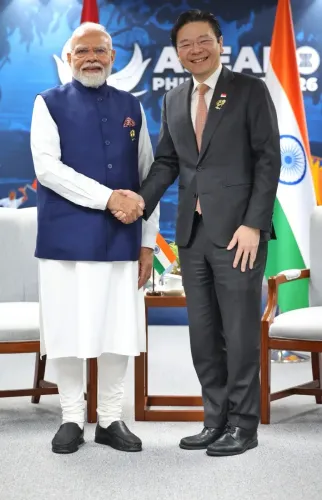
On Tuesday, Singapore Prime Minister Lawrence Wong confirmed that Singapore is 'honoured' to assume the ASEAN chairmanship, describing the timing as 'particularly meaningful' given that ASEAN turns 60 in 2027. In a video posted on X, Wong stated: 'Singapore is honoured to take over the chairmanship at a particularly meaningful moment. Next year, ASEAN turns 60. ASEAN has helped to keep the peace in our region, brought our economies closer together, and created many more opportunities for our peoples.'
Wong outlined that Singapore has chosen 'Deeper Integration Wider Partnerships' as the theme for its chairmanship, with an emphasis on strengthening regional links across finance, digital technologies, and energy. 'At a time when the world is becoming more divided, our response is to keep building bridges,' he said, underscoring Singapore's intent to position ASEAN as a stable, outward-looking bloc amid escalating global geopolitical fragmentation.
Why This Matters for the Region
Singapore's chairmanship arrives at a pivotal juncture. ASEAN economies are under increasing pressure to meet climate commitments while navigating energy access challenges and food supply vulnerabilities exacerbated by extreme weather events. This comes amid broader global tensions — including US-China trade friction and shifting multilateral alignments — that make regional cohesion a strategic necessity rather than a diplomatic formality. Singapore, with its credibility as a financial hub and neutral diplomatic actor, is well-positioned to push forward the bloc's climate and integration agenda. The effectiveness of its chairmanship, however, will hinge on translating headline commitments into binding regional frameworks.
Point of View
But the proof will be in delivery. The ASEAN Power Grid has been a talking point for over two decades, stalling repeatedly on sovereignty concerns, financing gaps, and regulatory mismatches — pledging to 'advance' it is familiar territory. The $500 million SPIRE Asia fund is a tangible commitment, but modest against the scale of Southeast Asia's adaptation financing deficit, estimated in the hundreds of billions. What makes this chairmanship consequential is timing: ASEAN at 60 faces a credibility test on whether it can move from declarations to enforceable regional frameworks on energy and climate. Singapore's diplomatic capital is real — the question is whether its partners are ready to concede enough sovereignty to make cross-border electricity trade a reality.
NationPress
18 Nov 2026
Frequently Asked Questions
What are Singapore's priorities for its 2027 ASEAN chairmanship?
Singapore has outlined three key priorities: advancing cross-border electricity trade through the ASEAN Power Grid, strengthening climate resilience, and improving food security. Minister Grace Fu announced these priorities in Singapore's national statement at COP31 in Turkey on 18 November 2026.
What is SPIRE Asia and how does it relate to ASEAN climate goals?
SPIRE Asia is a blended finance fund of up to 500 million US dollars designed to mobilise investment in climate adaptation projects across the region. It is one of the flagship initiatives Singapore will champion during its ASEAN chairmanship to build resilience against climate-related risks.
What theme has Singapore chosen for its ASEAN chairmanship?
Singapore has chosen 'Deeper Integration Wider Partnerships' as the theme for its 2027 ASEAN chairmanship. Prime Minister Lawrence Wong said the theme reflects Singapore's intent to deepen regional links in finance, digital technologies, and energy while building bridges with external partners.
Why is ASEAN's 60th anniversary significant for Singapore's chairmanship?
ASEAN turns 60 in 2027, the same year Singapore holds the chairmanship, making it a symbolically significant moment for the bloc. Prime Minister Lawrence Wong described it as 'particularly meaningful,' with Singapore aiming to use the milestone to reinforce ASEAN's relevance as a united, outward-looking regional grouping amid global geopolitical uncertainty.
What is the ASEAN Power Grid and why has it been difficult to implement?
The ASEAN Power Grid is a long-standing initiative to interconnect electricity networks across Southeast Asian countries, enabling cross-border energy trade and supporting the region's clean energy transition. Progress has been slow due to challenges around project financing, differing national regulations, and sovereignty concerns — hurdles Singapore has pledged to address during its chairmanship.