South Korea's Lee Jae Myung pushes for early OPCON transfer from US
Synopsis
South Korean President Lee Jae Myung has drawn a firm line: wartime OPCON must return to Seoul, ideally before his term ends in 2030. With US Forces Korea citing North Korean missile launches as a reason to raise the transfer bar, and Seoul's defence ministry warning against 'moving goalposts,' a rare public rift in one of Asia's most consequential military alliances is coming into view.
Key Takeaways
President Lee Jae Myung called for the early return of wartime OPCON from the United States to South Korea on 19 October 2026 .
The Lee administration aims to retake OPCON before its term ends in 2030 , or earlier.
Xavier Brunson cited North Korea's recent missile launches as justification for revising OPCON transfer standards.
Seoul's defence ministry warned the transfer goal may never be achieved 'if the goalposts keep moving.' South Korea handed OPCON to the US-led UN Command during the 1950–53 Korean War ; peacetime OPCON was retaken in 1994 , but wartime control remains with the US.
Lee separately flagged that South Korean stocks are 'significantly undervalued' and pledged 'necessary measures' to normalise the market.
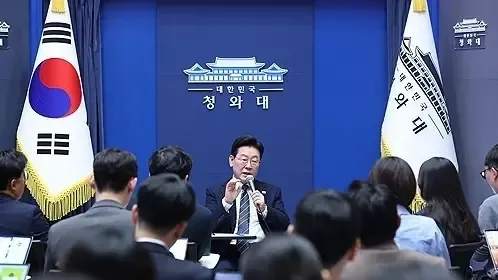
South Korean President Lee Jae Myung on Monday, 19 October 2026, reiterated his push for an early transfer of wartime Operational Control (OPCON) of South Korean forces from the United States to Seoul, calling military sovereignty a 'core pillar of national sovereignty.' The remarks came during a meeting with reporters marking his 500th day in office, which fell the previous Friday.
What the President Said
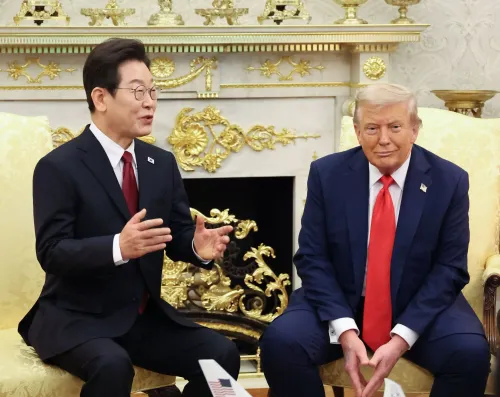
'I think having the OPCON entrusted to another country and relying on it cannot be left as it is,' Lee said. 'Speaking frankly, OPCON must be returned at an early date. (We) are sufficiently capable of doing so, and (related) talks between South Korea and the US are basically going well in that direction.'
Lee acknowledged US insistence on first verifying Seoul's defence readiness before any handover, calling Washington's approach 'goodwill,' but added that South Korea should ultimately manage its own defence. '(We) should definitely shoulder (our national defence) on our own, and I think we are sufficiently capable of doing so,' he said.
The Seoul-Washington Gap
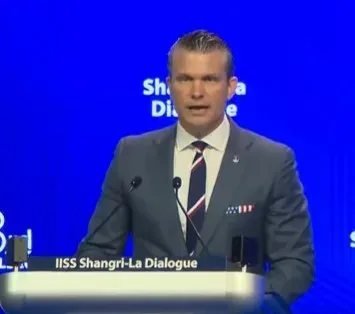
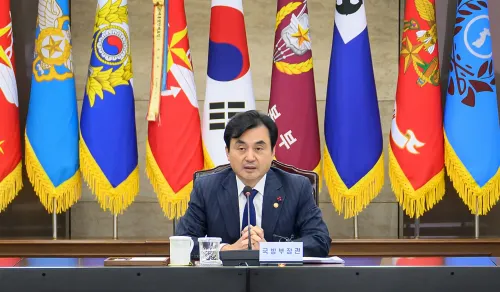
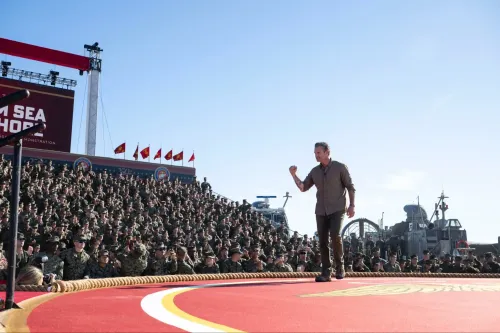
The Lee administration is seeking to retake OPCON before its term ends in 2030, or even earlier, according to reports. However, a perceived gap has emerged between the two allies over the timing. At an event in Washington last week, US Forces Korea (USFK) Commander General Xavier Brunson said 'conditions have changed,' citing North Korea's recent missile launches, and argued that such changes called for revised standards before any OPCON transfer could proceed.
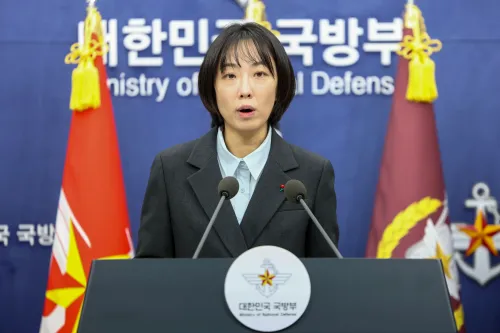
A spokesperson for Seoul's defence ministry responded pointedly, warning that the OPCON transfer goal may never be achieved 'if the goalposts keep moving' — a rare public signal of frustration from the South Korean side.
Historical Context
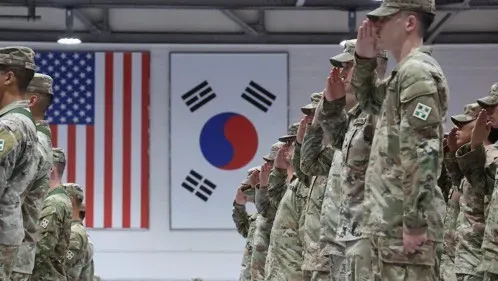
South Korea handed over OPCON to the US-led UN Command during the 1950–53 Korean War. Control was subsequently transferred to the South Korea-US Combined Forces Command when it was established in 1978. Seoul retook peacetime OPCON in 1994, but wartime OPCON has remained in US hands ever since — a legacy arrangement that has periodically become a flashpoint in bilateral defence negotiations.
President Lee stressed that South Korea holds the world's fifth-strongest conventional military forces, excluding nuclear weapons, making it capable of assuming full operational command. 'Military sovereignty may constitute a core pillar of national sovereignty. I think South Korea should promptly regain (OPCON) to secure the most basic condition as a country,' he said.
Stock Market Remarks
Separately, Lee addressed South Korean equities, describing the country's shares as 'significantly undervalued.' He attributed the undervaluation to lingering scepticism over market transparency and fairness. 'I keep checking on what should be done in terms of policy to normalise the stock market,' he said, adding that he would take 'necessary measures' after receiving official briefings soon. This comes amid broader efforts by the Lee administration to boost investor confidence in South Korean markets.
Point of View
And invoking North Korea's latest provocations as a new threshold is precisely the pattern Seoul's defence ministry called out. The deeper contradiction is this — the US alliance remains the bedrock of South Korea's security architecture, yet the same alliance now appears to obstruct Seoul's formal claim to command its own forces in war. With South Korea ranking as the world's fifth-largest conventional military, the case for perpetual OPCON dependence grows harder to defend on capability grounds alone.
NationPress
19 Oct 2026
Frequently Asked Questions
What is wartime OPCON and why does it matter for South Korea?
Wartime Operational Control (OPCON) is the authority to command South Korean military forces during armed conflict, currently held by the United States through the South Korea-US Combined Forces Command. Retaking it would give Seoul full control over its own forces in any future war, which President Lee Jae Myung has described as a core pillar of national sovereignty.
When does South Korea want the OPCON transfer to happen?
The Lee administration is seeking to retake wartime OPCON before its term ends in 2030, or even earlier if possible. Lee said on 19 October 2026 that talks with the US are 'basically going well in that direction.'
Why is the US raising conditions for the OPCON transfer?
US Forces Korea Commander Gen. Xavier Brunson recently said that 'conditions have changed,' pointing to North Korea's recent missile launches as justification for revising the standards South Korea must meet before OPCON is transferred. Seoul's defence ministry warned this risks perpetually deferring the handover.
What is the history of OPCON between South Korea and the US?
South Korea transferred OPCON to the US-led UN Command during the 1950–53 Korean War. It was later moved to the South Korea-US Combined Forces Command in 1978. Seoul recovered peacetime OPCON in 1994, but wartime OPCON has remained with the US for over seven decades.
What did President Lee say about the South Korean stock market?
Lee said South Korean shares are 'significantly undervalued' due to scepticism over market transparency and fairness. He pledged to take 'necessary measures' after receiving official briefings to normalise the stock market.