South Korea's Lee Jae Myung warns police will hold most power, pushes for oversight body
Synopsis
South Korea's President Lee Jae Myung has sounded an alarm: once the Criminal Procedure Act revision is enacted, the police will be the single most powerful agency in the country — and he isn't sure they're ready for it. His call for a new oversight body, triggered in part by a botched missing-person case on Jeju Island, sets up a defining test for South Korean institutional reform.
Key Takeaways
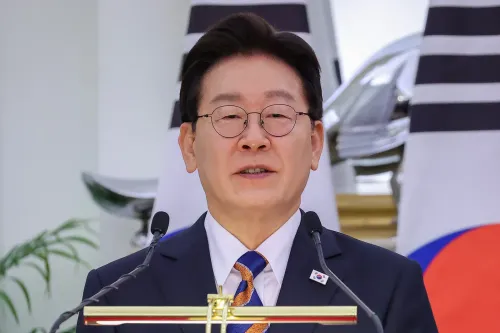
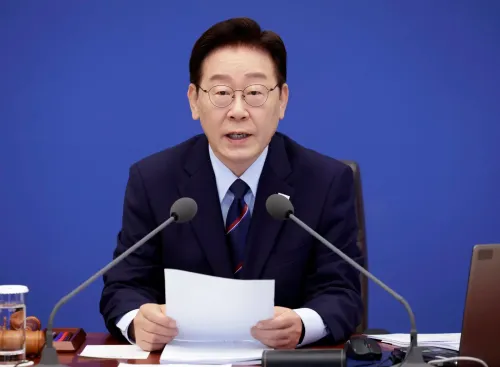
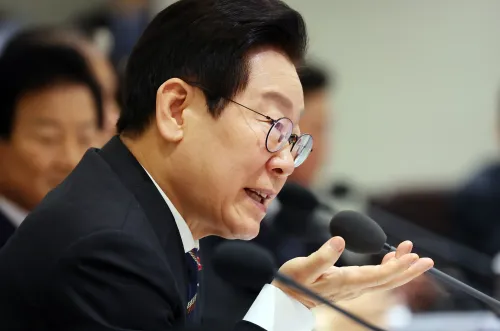
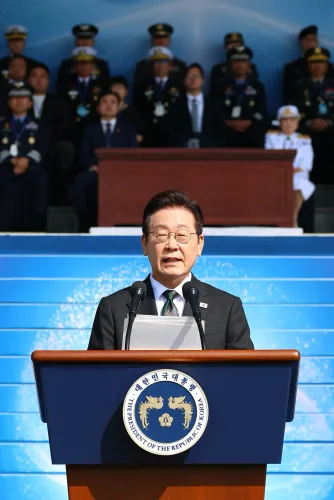
President Lee Jae Myung declared at a Cabinet meeting on 25 August that police will soon wield the greatest authority among South Korean government agencies.
A revision to the Criminal Procedure Act will strip the prosecution of all investigative powers, concentrating them solely in the police.
Lee directed the prime minister's office to gather public input and draft a plan for a dedicated police reform oversight body.
The move follows public outrage over a Jeju Island case where a police officer closed a missing-person case without confirming the individual's safety; her presumed body was later found.
The president also called for faster revision of the minimum age of criminal responsibility, currently 14 years , for serious crimes.
Cabinet discussions also covered a 'productive finance strategy' tied to an AI-driven semiconductor boom ahead of next year's budget.
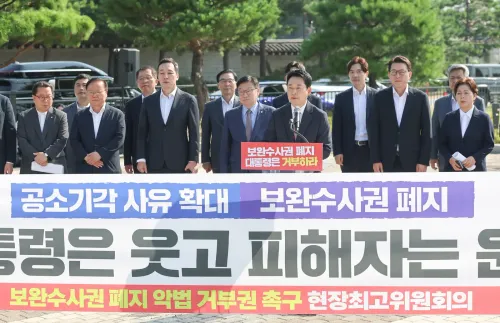
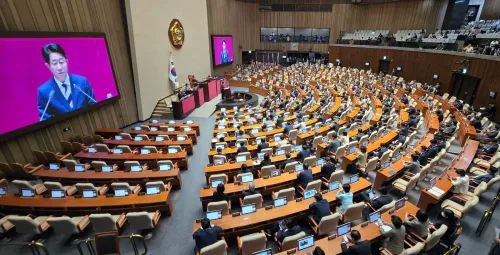
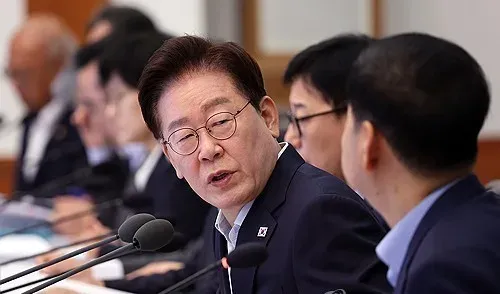
South Korea's President Lee Jae Myung on Tuesday, 25 August declared that the police are on course to become the most powerful agency in the country's government, and called for the creation of a dedicated oversight body to drive police reform. The remarks, delivered at a Cabinet meeting in Seoul, follow the recent passage of a revision to the Criminal Procedure Act that would strip the prosecution of all investigative authority and concentrate it entirely within the police.
What the Criminal Procedure Act Revision Changes
The newly passed revision to the Criminal Procedure Act, once enacted, will completely remove the prosecution's investigative powers, leaving the police as the sole investigative authority in South Korea. President Lee acknowledged the gravity of this shift, noting that 'the public is greatly concerned about the change.' He stressed that with concentrated power comes an equal obligation of accountability, saying, 'Power, when concentrated, always creates problems. The level of responsibility should be strengthened to match the extent of the authority.'
Jeju Island Case Triggers Public Outcry
The president's call for reform comes against the backdrop of a troubling incident on Jeju Island, where the presumed body of a woman — who had been reported missing — was discovered. A police officer on Jeju had reportedly closed the missing person case without confirming the woman's whereabouts or safety, sparking widespread public anger over what critics called lax and irresponsible police investigations. Lee directly referenced 'recent serious public safety cases revealing irresponsibility' of the police, insisting that 'unrelenting efforts should be made to minimise these problems and the system needs to be overhauled.'
What the Government Has Been Asked to Do
President Lee specifically directed the prime minister's office to gather public input and formulate a concrete plan for establishing the proposed oversight body. He expressed hope that the government would 'consider how to reform the police, how to establish a (government) body' to oversee that reform. The president's scepticism was clear: he questioned whether the police are currently 'qualified to exercise their great authority,' signalling that institutional restructuring is a priority before the new law takes full effect.
Budget, Economy, and Criminal Responsibility Also on the Agenda
The Cabinet meeting also addressed fiscal planning, with Lee urging a 'productive finance strategy' focused on long-term growth rather than short-term management of financial figures. His remarks came as the government and the National Assembly prepare to finalise next year's budget, amid an anticipated rise in tax revenues driven by a semiconductor boom linked to the growth of artificial intelligence (AI). The president called for strengthening industrial competitiveness and reducing asset polarisation, saying the government must 'bring about tangible improvement in people's lives.'
Separately, Lee instructed officials to expedite a revision to the minimum age of criminal responsibility, currently set at 14 years. The government is weighing a reduction of that threshold by one year for 'serious crimes,' amid a rise in adolescent offending. Lee called for a 'prompt conclusion' on the matter after a fresh round of public consultation.
What Comes Next
The immediate focus will be on the prime minister's office producing a framework for the proposed police oversight body, incorporating public feedback. Simultaneously, the enacted Criminal Procedure Act revision — once it clears remaining procedural steps — will fundamentally reshape South Korea's law enforcement landscape. How quickly the government can build credible oversight mechanisms will determine whether the transfer of investigative power to the police commands public trust.
Point of View
But its credibility will depend entirely on whether it has genuine independence from both the police and the executive. History suggests that government-created watchdogs in South Korea have often been captured by the very institutions they were meant to check. The real question is not whether such a body will be formed, but whether it will have teeth.
NationPress
25 Aug 2026
Frequently Asked Questions
Why is South Korea's President Lee Jae Myung calling for police reform?
President Lee is calling for reform because a revision to the Criminal Procedure Act will transfer all investigative authority from the prosecution to the police, making them the most powerful agency in the government. He cited public scepticism about police readiness and recent cases of alleged irresponsibility, including a botched missing-person investigation on Jeju Island.
What does the Criminal Procedure Act revision do?
The revision, recently passed, will completely strip the prosecution of its investigative authority and vest that power solely in the police. Once enacted, it represents a fundamental restructuring of South Korea's law enforcement and legal system.
What happened in the Jeju Island missing-person case?
A woman was reported missing on Jeju Island, but a police officer reportedly closed the case without verifying her whereabouts or safety. Her presumed body was subsequently discovered, prompting widespread public anger over what was seen as a negligent investigation.
What has President Lee instructed the government to do about police reform?
Lee has directed the prime minister's office to collect public input and develop a concrete plan for establishing a dedicated government body to oversee police reform, ensuring accountability commensurate with the police's expanded authority.
What other issues did President Lee raise at the Cabinet meeting?
Lee called for a 'productive finance strategy' focused on long-term growth ahead of next year's budget, which is expected to benefit from higher tax revenues tied to an AI-driven semiconductor boom. He also urged officials to expedite a revision lowering the minimum age of criminal responsibility from 14 years for serious crimes, citing rising adolescent offending.