Do the People of Taiwan Still Identify as Chinese?
Synopsis
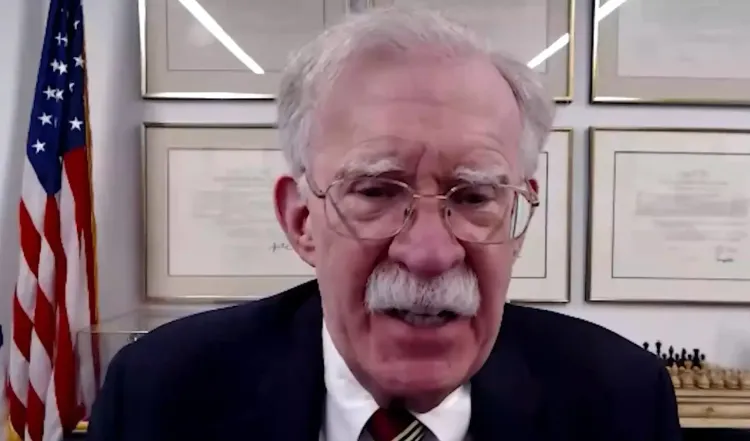
In a recent interview, former US NSA John Bolton articulated Taiwan's stance against China's threats, emphasizing the island's desire for self-governance and independence. Bolton's remarks highlight the rising tensions in the region and the significance of Taiwan's democratic choices.
Key Takeaways
John Bolton criticizes China's threats against Taiwan.
Taiwan's citizens do not identify as Chinese anymore.
China's military drills around Taiwan are escalating tensions.
The island continues to assert its sovereignty .
Support for Taiwan is essential for global peace.
Washington/New Delhi, Jan 6 (NationPress) Former US National Security Advisor (NSA) John Bolton criticized China for its threats against Taiwan, labeling Beijing's actions as the genuine threats to global peace and security.
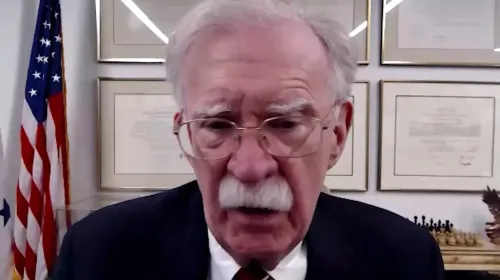
"It’s evident that China has long posed a threat to Taiwan. The citizens of Taiwan have consistently voiced their opinions through democratic elections, expressing their desire to not reunite with the mainland. Many surveys demonstrate that they no longer identify as Chinese. Taiwan operates under a freely elected democratic government, and its people have the right to self-govern. China’s threats represent real dangers to international peace and security," Bolton stated in an exclusive interview with IANS.
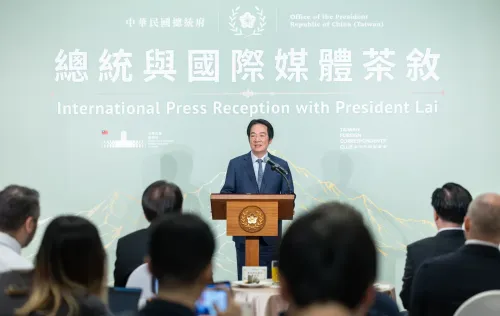
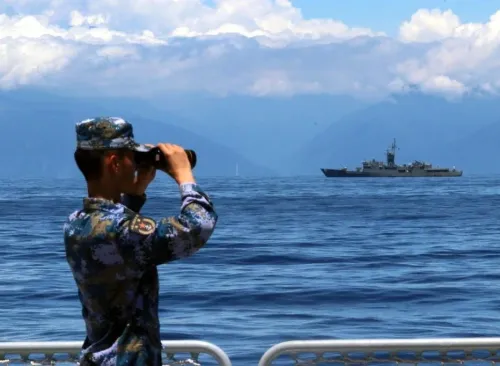
Taiwan remains under threat from China, which asserts that the self-governing island is part of its territory under the 'One China' policy, insisting on its reunification with Beijing, potentially through force. China has increased military exercises around Taiwan in recent years. Despite these actions, Taiwan, bolstered by substantial public backing, continues to affirm its sovereignty and responds vigorously to Chinese provocations.
Bolton expressed support for the US administration's removal of Venezuelan President Nicolas Maduro, asserting that any Chinese aggression towards Taiwan cannot be justified similarly.
When questioned about the legitimacy of capturing a country's leader, Bolton replied, "Not if the leader is illegitimate. If the leader has engaged in aggression that threatens the security and stability of the United States, particularly in the Western Hemisphere. Others might assert similar claims, but such a stance must be substantiated with facts. The situation in Ukraine was an act of unprovoked aggression, not welcomed by anyone. A Chinese attack on Taiwan would also lack justification for the same reasons."
Point of View
It is vital to recognize that Taiwan's self-identity and sovereignty are critical issues in global politics. The continuous threats from China not only challenge Taiwan's democratic values but also pose significant risks to international peace. It is essential for the global community to support Taiwan's right to self-determination.
NationPress
19 Sept 2026
Frequently Asked Questions
Why does Taiwan not want to reunite with China?
Taiwan's citizens have expressed their desire for independence through democratic elections, indicating a strong preference for self-governance rather than reunification with mainland China.
What threats does China pose to Taiwan?
China claims Taiwan as part of its territory under the 'One China' policy and has threatened military action for reunification, leading to increased military drills around the island.
How has the international community responded to China's threats?
The international community, particularly the US, has supported Taiwan's sovereignty and condemned China's aggressive military posturing.
What is the significance of Taiwan's elections?
Taiwan's elections are a reflection of the people's will and their desire for democratic governance, which is crucial in shaping the island's future in the face of external threats.