CM Sukhu Hails Shimla Police's Rs 6 Crore Chitta Bust
Synopsis
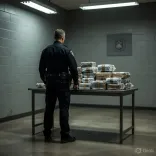
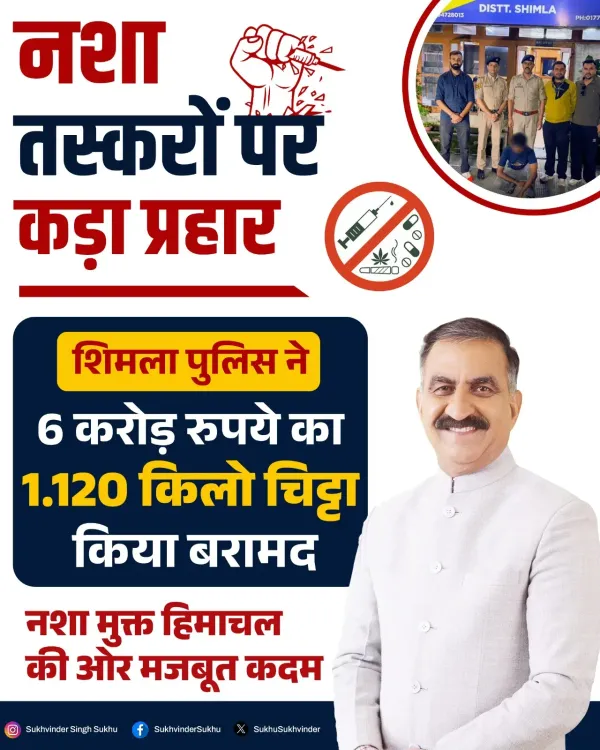
Shimla Police seized 1.120 kg of chitta worth Rs 6 crore and arrested one trafficker on 5 August 2026. CM Sukhvinder Singh Sukhu praised the operation and reaffirmed his government's zero-tolerance stance on drug trafficking threatening Himachal Pradesh's youth.
Key Takeaways
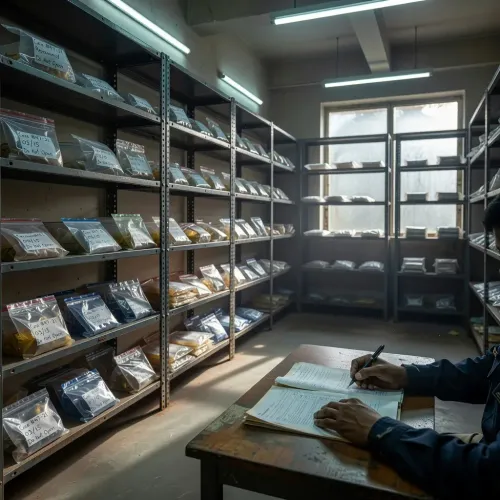
1.120 kg of chitta — a synthetic opioid — was seized by Shimla Police in a single operation on 5 August 2026 .
The contraband was valued at approximately Rs 6 crore and led to the arrest of one trafficker .
CM Sukhvinder Singh Sukhu publicly commended the Shimla Police team and reiterated his government's 'unbreakable resolve' to make Himachal Pradesh drug-free.
Enforcement is being pursued under the NDPS Act, 1985 , the primary legal framework for narcotics cases in India.
Northern Indian hill states have reported sustained synthetic drug trafficking corridors, with Shimla district identified as a key transit point.
Follow-up charge-sheet filings and any linked rehabilitation announcements will indicate whether this is part of a broader coordinated crackdown.
Shimla Police struck a significant blow against the synthetic drug trade on Wednesday, 5 August 2026, seizing 1.120 kg of chitta valued at approximately Rs 6 crore and arresting one trafficker — a haul that Himachal Pradesh Chief Minister Sukhvinder Singh Sukhu called a 'decisive strike' against the state's illegal narcotics network.
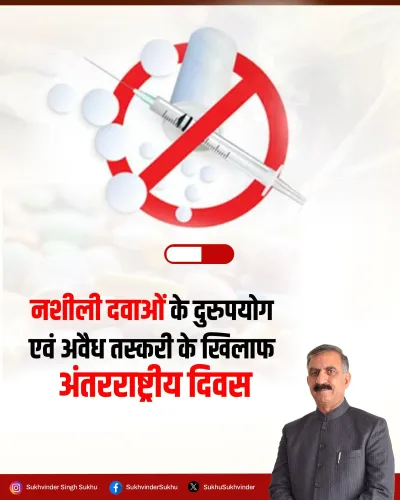
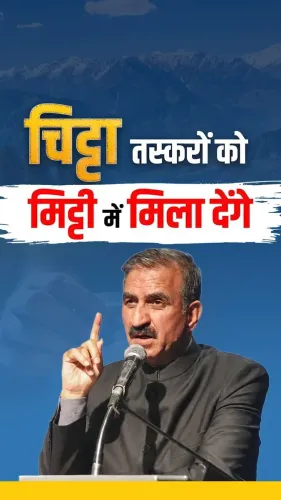
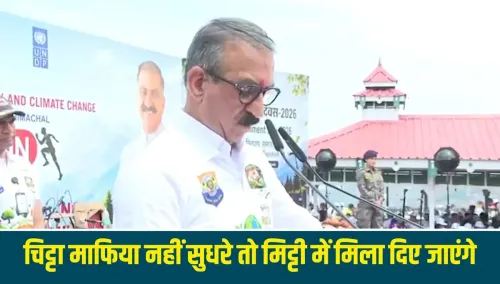
Posting on X, CM Sukhu declared: 'हिमाचल प्रदेश को नशे से मुक्त करना हमारी सरकार का अटूट संकल्प है' — 'Freeing Himachal Pradesh from drugs is our government's unbreakable resolve.' He extended his congratulations to the entire Shimla Police team and warned that those who 'play with the future of the state's youth' would face zero leniency at any level.
What Rs 6 Crore of Chitta Means on the Street
Chitta — a white synthetic opioid that has become the dominant street drug in several northern Indian hill states — commands premium prices precisely because it is compact and easily concealed across mountain terrain. A single kilogram can supply hundreds of users, making the 1.120 kg seizure operationally significant beyond its monetary value. Himachal Pradesh, with its young demographic and limited urban employment, has seen chitta establish deep roots in districts from Shimla to Kangra over the past decade.
Enforcement under the Narcotic Drugs and Psychotropic Substances (NDPS) Act, 1985 has been the primary legal instrument wielded by successive state governments. What has changed under the Sukhu administration is the public framing: each seizure is now amplified as a political commitment, not merely a police bulletin.
Shimla as a Transit Flashpoint
Northern Indian states have documented persistent trafficking corridors funnelling synthetic drugs through mountain passes — routes that exploit difficult terrain and limited surveillance infrastructure. Shimla district, as the state capital and a major transit hub, sits at a critical node on these networks. Repeated high-value seizures in the region suggest traffickers continue to test the route even as enforcement pressure builds.
The Sukhu government has consistently framed drug control as a youth-protection mandate rather than a law-and-order metric alone. That framing matters politically in a state where college-age voters are a decisive bloc and where addiction has visibly scarred families across income levels.
What Follows the Arrest
A single arrest rarely dismantles a supply chain. The pressure now shifts to investigators to file a watertight charge-sheet under the NDPS Act, trace the trafficker's upstream suppliers, and identify whether the seized consignment was part of a larger shipment. Any state announcement on linked rehabilitation infrastructure or inter-district intelligence sharing would signal whether this operation is a standalone win or the opening move in a coordinated crackdown.
For now, the numbers speak with unusual clarity: 1.120 kg, Rs 6 crore, one arrest. Shimla Police has handed the Chief Minister a concrete headline — and set its own benchmark for what comes next.
Point of View
Giving it outsized electoral salience. By framing every arrest as a youth-protection act rather than a routine police operation, Sukhu is building a narrative of decisive governance ahead of future electoral cycles. The real test, however, will be whether sustained enforcement translates into measurable declines in addiction rates — a metric far harder to post about than a seizure figure.
NationPress
5 Aug 2026
Frequently Asked Questions
What is chitta and why is it a problem in Himachal Pradesh?
Chitta is a white synthetic opioid — typically heroin mixed with other substances — that has become the dominant street drug in several northern Indian states including Himachal Pradesh. Its compact form makes it easy to smuggle through mountain terrain, and its high addictive potential has led to widespread youth addiction across the state's districts.
How much chitta was seized by Shimla Police in August 2026?
Shimla Police seized 1.120 kg of chitta valued at approximately Rs 6 crore and arrested one trafficker, as announced by CM Sukhvinder Singh Sukhu on 5 August 2026.
What law is used to prosecute drug traffickers in Himachal Pradesh?
Drug trafficking cases in Himachal Pradesh are prosecuted under the Narcotic Drugs and Psychotropic Substances (NDPS) Act, 1985 , which provides for stringent penalties including long prison terms for commercial-quantity seizures.
What has CM Sukhu said about drug trafficking in Himachal Pradesh?
CM Sukhvinder Singh Sukhu has repeatedly stated that making Himachal Pradesh drug-free is his government's 'unbreakable resolve.' He has publicly praised police operations and warned that those endangering the state's youth will face zero leniency.
Is Shimla a major drug trafficking hub in northern India?
Shimla district, as the state capital and a key transit hub, sits on documented trafficking corridors that funnel synthetic drugs through Himachal Pradesh's mountain passes. Repeated high-value seizures in the region indicate sustained trafficker activity despite growing enforcement pressure.