Trump approval hits second-term low at 42% as inflation bites voters
Synopsis
Trump's approval has hit a second-term floor of 42% — and his own words on inflation may not have helped. With Democrats up five points on the generic ballot and nearly six in ten Americans saying the country's best days are behind it, the White House faces a compounding political problem: a war-driven inflation surge it cannot fully control, and a public it has not yet persuaded.
Key Takeaways
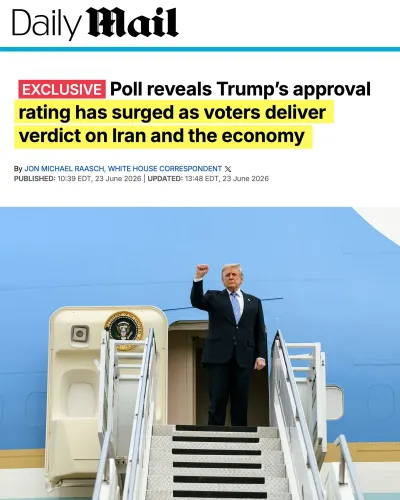
Donald Trump's job approval has fallen to 42 per cent among registered voters, the lowest of his second term, per an NBC News poll released 15 June .
Approval is down from 44 per cent earlier this spring, a slide driven primarily by voter concern over inflation .
Democrats hold a five-point lead on the generic Congressional ballot ahead of the 2026 midterms .
Nearly six in ten respondents said America's best days are behind it ; national pride has fallen to 56 per cent from roughly three-quarters two decades ago.
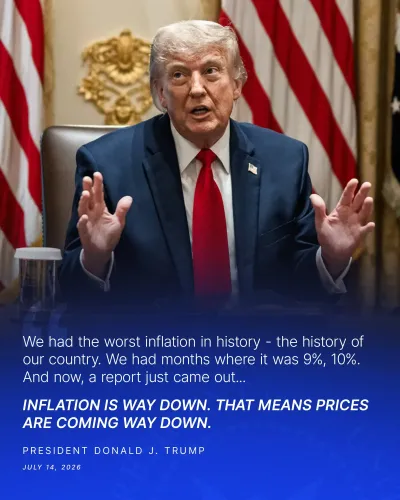
Trump said on NBC's Meet the Press that inflation would fall 'like a rock' once the conflict with Iran ends.
Democratic House leader Hakeem Jeffries argued that the cost of living is 'way too high' for working Americans.
US President Donald Trump's job approval rating has dropped to 42 per cent among registered voters — the lowest point of his second term — as persistent inflation and rising fuel costs erode public confidence, according to a new NBC News poll released on Sunday, 15 June. The survey also shows Democrats holding a five-point lead on the generic Congressional ballot ahead of the 2026 midterm elections.
What the Poll Found
Trump's approval stands at 42 per cent, down from 44 per cent earlier this spring, marking a steady erosion since the start of his second term. The generic Congressional ballot — an early barometer of midterm sentiment — shows Democrats ahead by five points, a meaningful edge at this stage of the cycle.
Notably, the poll also captured a broader mood of national pessimism. Nearly six in ten respondents said America's best days are behind it. National pride has also declined sharply: just 56 per cent of respondents described themselves as 'extremely proud' or 'very proud' to be American, compared with roughly three-quarters at the turn of the century.
Inflation at the Centre of Voter Anxiety
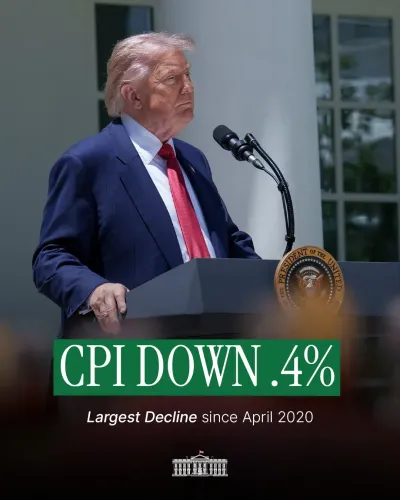
Inflation — accelerated by conflict involving Iran and disruptions to global energy supplies — has re-emerged as the dominant economic concern. Rising fuel costs linked to Middle East instability have hit household budgets, and the White House is struggling to contain the political fallout.
Speaking on NBC's Meet the Press, Trump sought to reassure voters that prices would ease once the conflict subsides. 'Our numbers were great. You know what I really love? I love the inflation,' Trump said. 'When the war's over, it's coming down. It's going to come down like a rock.' The remarks drew attention for their unusual framing, and the latest polling suggests many voters remain unconvinced.
Democrats Press the Cost-of-Living Case
Democratic House leader Hakeem Jeffries used his own appearance on NBC to sharpen the opposition's economic argument. 'America's far too expensive. The cost of living is way too high,' Jeffries said. 'There are far too many people who are working hard. They're playing by the rules. But they can't thrive and can barely survive.'
Republicans, however, argue that voters retain painful memories of the inflation and immigration pressures of the Biden administration, and believe those issues continue to benefit them heading into the midterms.
Deep Partisan Divides on Institutions
NBC chief data analyst Steve Kornacki noted that the survey revealed deep public pessimism even amid continued pride in the country's history and institutions. The results showed stark partisan splits: Republicans were far more likely than Democrats to express confidence in institutions such as the military, while Democrats showed greater trust in colleges and universities. Widespread scepticism toward Congress, the federal government, the news media, and the Supreme Court cut across party lines.
What the Midterms Could Mean
The 2026 midterm elections will determine control of Congress and are widely expected to serve as the first major nationwide referendum on Trump's second-term agenda. Historically, the party holding the White House faces significant headwinds in midterm contests, making economic conditions and voter confidence the defining variables over the next several months. With inflation showing no immediate sign of cooling, the political pressure on the administration is likely to intensify.
Point of View
But the trajectory matters more than the number. Trump's 'I love the inflation' remark — however contextual — risks becoming a campaign clip that Democrats will run on repeat through 2026. The deeper warning in this poll is the pessimism data: when six in ten Americans believe the country's best days are behind it, incumbents of any stripe face structural headwinds. Republicans' bet that Biden-era inflation memories will carry them through the midterms may be undercut by the fact that voters are now experiencing fresh inflation under a Republican White House.
NationPress
15 Sept 2026
Frequently Asked Questions
What is Donald Trump's current approval rating?
Trump's job approval rating stands at 42 per cent among registered voters, according to a June 2025 NBC News poll — the lowest point of his second term. It is down two percentage points from 44 per cent recorded earlier this spring.
Why is Trump's approval rating falling?
The primary driver is voter concern over inflation, which has accelerated amid conflict involving Iran and disruptions to global energy supplies. Rising fuel costs have hit household budgets, and many voters remain unconvinced by the White House's assurances that prices will ease.
How are Democrats positioned ahead of the 2026 midterms?
Democrats hold a five-point lead on the generic Congressional ballot, according to the NBC News poll. The 2026 midterm elections will determine control of Congress and are expected to serve as the first major referendum on Trump's second-term agenda.
What did Trump say about inflation on Meet the Press?
Speaking on NBC's Meet the Press, Trump said inflation would come down 'like a rock' once the conflict ends, adding 'When the war's over, it's coming down.' He also made the widely noted remark, 'You know what I really love? I love the inflation,' which drew significant attention.
What does the poll reveal about American national sentiment?
The poll found deep public pessimism: nearly six in ten respondents said America's best days are behind it, and national pride has declined to 56 per cent from roughly three-quarters at the start of the century. Widespread scepticism toward Congress, the federal government, the news media, and the Supreme Court was also recorded.