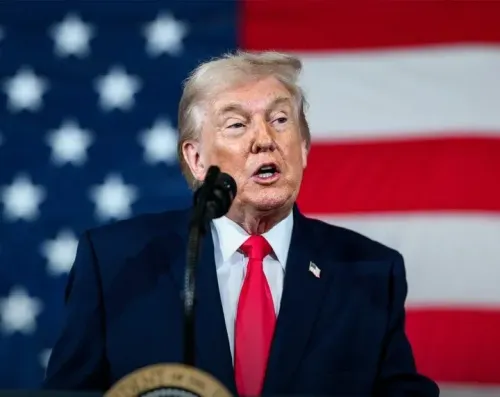
Trump calls Michigan Senate candidate Abdul El-Sayed a 'jihadist'
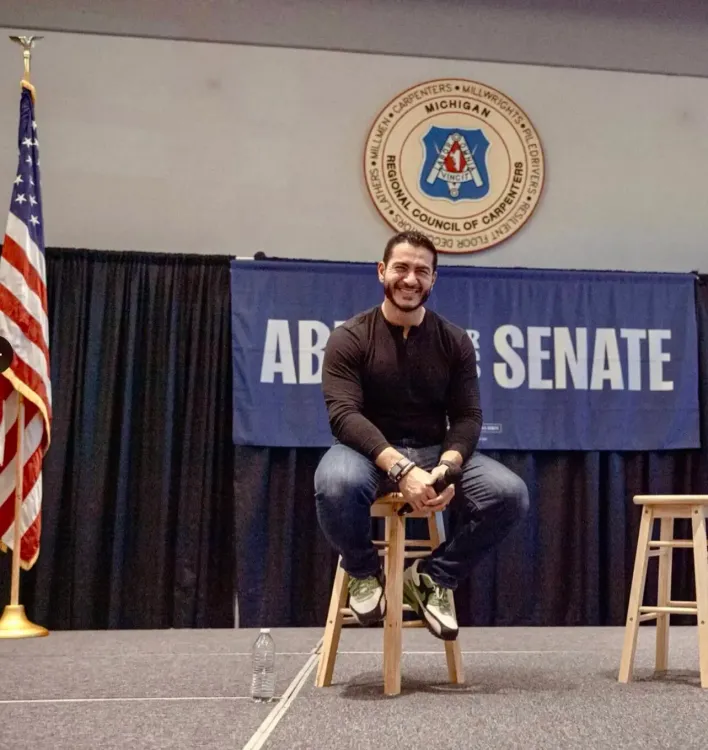
Synopsis
Donald Trump, speaking at the White House with no supporting evidence, labelled Michigan Democratic Senate candidate Abdul El-Sayed a 'vicious, violent jihadist' and alleged Muslim Brotherhood membership — remarks that critics say weaponise religious identity ahead of November's midterms, where Trump is actively campaigning for Republican rival Mike Rogers.
Key Takeaways
President Donald Trump called Michigan Democratic Senate candidate Abdul El-Sayed a 'jihadist' on Friday, 23 October .
Trump alleged El-Sayed was 'probably still' a member of the Muslim Brotherhood , without presenting evidence.
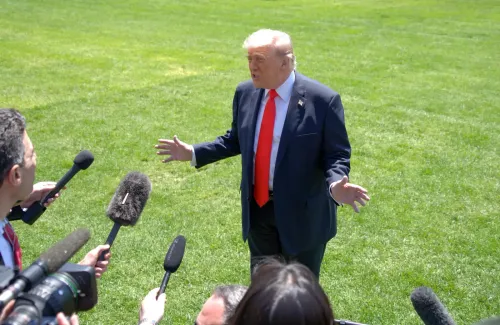
The remarks were made on the White House South Lawn ahead of a campaign rally in Florida .
Trump simultaneously endorsed Republican Senate candidate Mike Rogers , saying he 'will be a great senator'.
No documented findings or supporting material were presented during the exchange, according to reports.
The Michigan Senate race is among key contests heading into the November midterm elections .
US President Donald Trump on Friday, 23 October launched an unsubstantiated attack on Michigan Democratic Senate candidate Abdul El-Sayed, alleging links to the Muslim Brotherhood and labelling him a 'jihadist' who has 'no place' in the US Congress. The remarks, made without documented evidence, were delivered on the White House South Lawn before Trump departed for a campaign rally in Florida.
What Trump Said
'I can talk about a man who's a Muslim Brotherhood person, who's a jihadist, and who can't be in our Senate,' Trump told reporters. He added: 'He was a member, probably still is, of the Muslim Brotherhood.' Trump also called El-Sayed 'a fake' and alleged that the candidate's current public positions contradicted statements he had made previously. 'All you have to do is look at his statements from two years ago,' he said, without specifying which statements or providing supporting material.
Trump escalated his language further, saying: 'He's a jihadist. He's a vicious, violent jihadist, and he has no place in our government.' The accusations were not accompanied by any documented findings or official findings during the exchange, according to reports.
Context: The Michigan Senate Race
Trump's remarks came as he discussed his upcoming campaign schedule ahead of the November midterm elections. He expressed strong support for Republican Senate candidate Mike Rogers, saying: 'Mike Rogers will be a great senator.' The Michigan Senate contest is one of several competitive races in which Trump has sought to intervene directly, reflecting Republican efforts to consolidate their position in Congress.
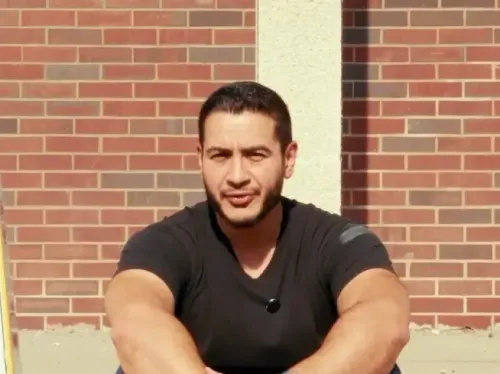
El-Sayed, a physician and former Detroit health commissioner, has previously run for the Michigan governorship. His candidacy has drawn national attention given his profile as one of a small number of prominent Muslim-American politicians seeking federal office.
No Evidence Presented
Notably, Trump did not identify specific statements, name sources, or present documentary evidence to support his allegations of Muslim Brotherhood links during the South Lawn exchange. Critics argue that unverified allegations of this nature risk stoking anti-Muslim sentiment in an already polarised political environment. This is not the first time Trump has used inflammatory religious framing against political opponents ahead of major elections.
Trump's Campaign Visit to Michigan
The President said he was 'looking forward to going to Michigan' and predicted his campaign appearance would generate considerable attention. 'I think it's going to be wild,' he said. The visit is expected to focus on boosting Rogers' Senate campaign while directly targeting El-Sayed before voters head to the polls.
As the midterm contest intensifies, the language deployed by Trump against El-Sayed is likely to remain a flash point — raising questions about political rhetoric, religious targeting, and the standards of evidence applied to candidates in high-profile Senate races.
Point of View
Yet that may be precisely the point: the charge circulates before it can be rebutted. El-Sayed's candidacy tests whether Muslim-American politicians can compete in environments where their faith is treated as a campaign liability rather than a private matter. The pattern — unsubstantiated allegations, inflammatory language, no follow-up documentation — has appeared before in Trump's political playbook, and the Michigan race suggests it will remain a feature, not a bug, of his midterm strategy.
NationPress
24 Oct 2026
Frequently Asked Questions
What did Trump say about Abdul El-Sayed?
Trump called El-Sayed a 'vicious, violent jihadist' and alleged he was a member of the Muslim Brotherhood, saying he had 'no place' in the US government. The remarks were made at the White House on 23 October without any documented evidence being presented.
Who is Abdul El-Sayed?
Abdul El-Sayed is a physician, former Detroit health commissioner, and Democratic candidate for the Michigan Senate seat. He previously ran for the Michigan governorship and is one of a small number of prominent Muslim-American politicians seeking federal office.
Who is the Republican candidate Trump is supporting in Michigan?
Trump endorsed Mike Rogers, the Republican Senate candidate in Michigan, saying 'Mike Rogers will be a great senator.' Trump announced plans to campaign for Rogers in Michigan ahead of the November midterm elections.
Did Trump provide evidence for his Muslim Brotherhood allegation?
No. Trump did not identify specific statements, name sources, or present documentary evidence during the White House South Lawn exchange. According to reports, the accusations were made without any documented findings or supporting material.
Why does the Michigan Senate race matter?
The Michigan Senate race is among the competitive contests heading into the November midterm elections, in which Republicans are seeking to consolidate their position in Congress. Trump's personal involvement signals how strategically significant the seat is to the party's broader legislative agenda.