Trump accuses Michigan Senate candidate El-Sayed of Muslim Brotherhood ties
Synopsis
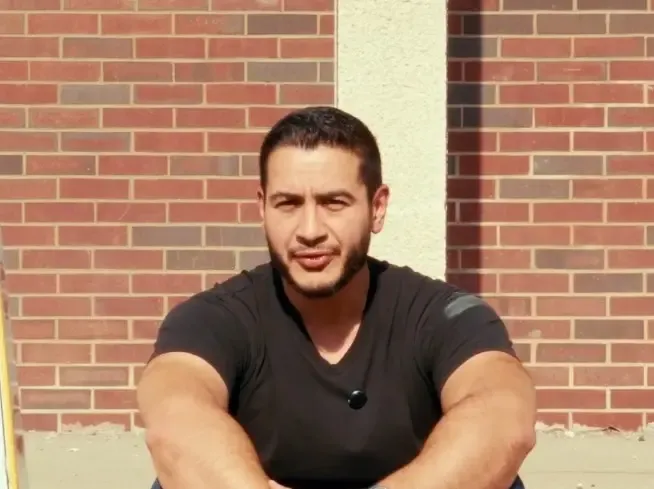
With no evidence offered, President Trump publicly called Michigan Democratic Senate candidate Abdul El-Sayed a Muslim Brotherhood member and mocked his name — a claim El-Sayed has repeatedly denied. The episode encapsulates how religion and national-security rhetoric are shaping one of the most closely watched US Senate contests of the midterm cycle.
Key Takeaways
President Donald Trump accused Abdul El-Sayed of Muslim Brotherhood membership on 15 October while speaking to reporters in Arizona .
Trump offered no evidence for the claim; no evidence has been established that El-Sayed was ever a member.
El-Sayed denied the allegations, including during a television interview on 11 October , and said the attacks were intended to distract from economic concerns.
Trump endorsed Republican candidate Mike Rogers , a former congressman, and announced a campaign visit to Michigan within days.
El-Sayed is seeking to become the first Muslim elected to the United States Senate ; the race carries implications for control of the chamber.
The midterm elections are scheduled for 3 November .
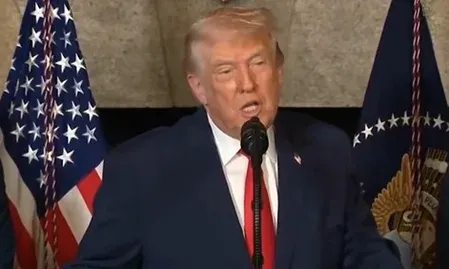
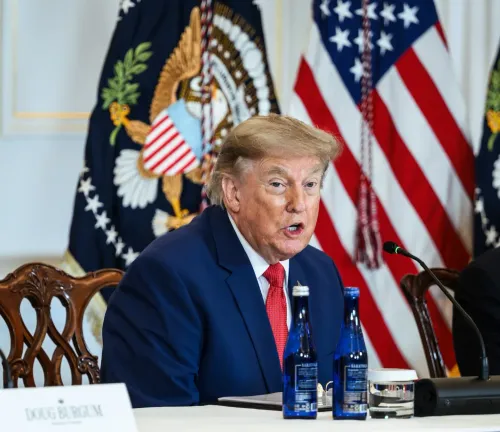
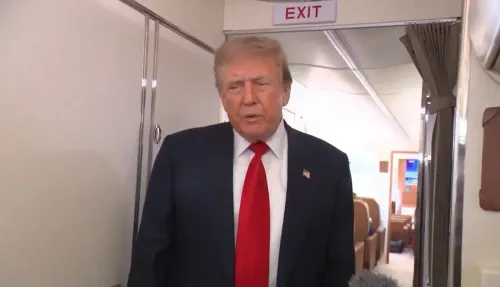
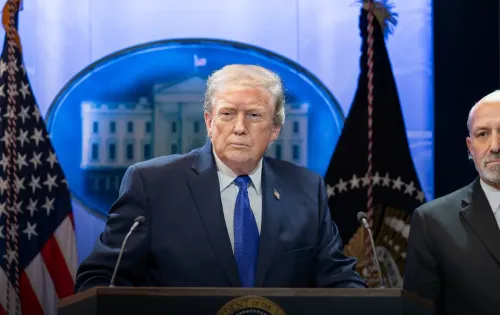
US President Donald Trump on 15 October publicly accused Michigan Democratic Senate candidate Abdul El-Sayed of being a member of the Muslim Brotherhood, offering no evidence to support the claim. The remarks were made while speaking to reporters in Arizona ahead of a campaign rally in Montana, as Trump ramps up efforts to secure Republican congressional majorities before the November 3 midterm elections.
What Trump Said
When asked whether he was concerned about El-Sayed's alleged connections to the Islamist organisation, Trump stated: 'Yeah, he's a member of the Muslim Brotherhood. Abdul, or as I call him, Mohamed, Mohamed El-Sayed.' He added: 'He's a member of the Muslim Brotherhood. He said that years ago. He was a proud member.'
Trump further questioned whether someone he accused of such membership should serve in Congress, particularly on national security committees. 'And you can't have a member of the Muslim Brotherhood in Congress being on one of our security committees, right?' he said. He closed the exchange with: 'We don't need the Muslim Brotherhood in, uh, as a senator.'
No Evidence, And El-Sayed's Denial
Critically, Trump offered no evidence to substantiate the allegation. El-Sayed has categorically denied any ties to the organisation, and no evidence has been established that he was ever a member. On 11 October, during a television interview, El-Sayed again rejected the claims, noting that similar accusations had been raised during his debate with Republican candidate Mike Rogers. El-Sayed has also argued that attacks targeting his religion and family background are designed to divert voter attention from economic issues.
Trump Endorses Rogers, Plans Michigan Visit
Trump endorsed Rogers — a former congressman — during the same exchange, describing him as 'all apple pie' and the kind of candidate the country needs. The President said he planned to visit Michigan within days, with additional campaign stops scheduled in Ohio and Texas, arguing that his personal involvement was necessary to generate the turnout required to retain Republican congressional majorities.
Stakes in the Michigan Race
El-Sayed, a former Detroit public health official, is seeking to become the first Muslim elected to the United States Senate. The contest between Rogers and El-Sayed has drawn national attention given its implications for control of the chamber, with the two candidates already trading sharp attacks over national security, foreign policy and their respective political records. The Muslim Brotherhood allegation has become a recurring feature of Republican criticism of El-Sayed throughout the campaign. The Michigan race is now a focal point in broader American debates over religious identity, political representation and national security.
Broader Campaign Context
Trump's remarks formed part of a wider campaign blitz across multiple states ahead of the midterms, with the Republican Party seeking to retain its congressional majorities. The President has framed several Senate contests as requiring direct intervention, suggesting candidate quality alone is insufficient without high Republican turnout. The Michigan Senate race, with its national-security framing and high-profile candidates, has emerged as one of the most closely watched contests of the cycle.
Point of View
Not to advance a factual argument. What is striking is how little pushback the claim requires Trump to face: by the time a denial lands, the allegation has already done its electoral work. For El-Sayed, the dilemma is structural — every rebuttal keeps the Brotherhood frame alive, while silence concedes the field.
NationPress
15 Oct 2026
Frequently Asked Questions
What did Trump say about Abdul El-Sayed and the Muslim Brotherhood?
Trump claimed, without providing evidence, that Michigan Democratic Senate candidate Abdul El-Sayed was a member of the Muslim Brotherhood, stating 'He said that years ago. He was a proud member.' El-Sayed has denied the allegation, and no evidence has been established confirming any such membership.
Who is Abdul El-Sayed?
Abdul El-Sayed is a former Detroit public health official running as the Democratic candidate for the Michigan US Senate seat. If elected, he would become the first Muslim member of the United States Senate.
Who is the Republican candidate in the Michigan Senate race?
Mike Rogers, a former congressman, is the Republican candidate challenging El-Sayed in the Michigan Senate contest. Trump endorsed Rogers during the same appearance, describing him as 'all apple pie.'
Why did Trump raise the Muslim Brotherhood allegation?
Trump offered no stated rationale beyond the allegation itself. El-Sayed has argued that attacks involving his religion and family background are intended to distract voters from economic concerns. Trump provided no evidence to support the claim.
When are the US midterm elections and what is at stake in Michigan?
The midterm elections are scheduled for 3 November. The Michigan Senate race is considered a key contest for Republican efforts to retain control of the Senate, and has attracted national attention due to its implications for the balance of power in the chamber.