Trump Meets Lebanese President Auon at White House
Synopsis
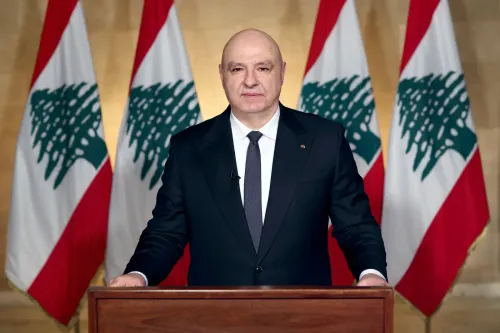
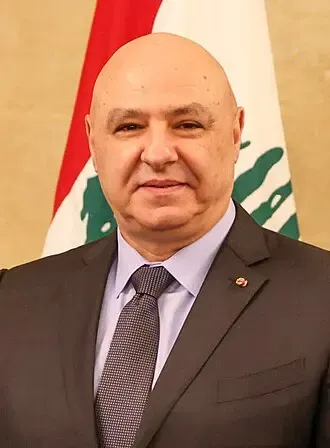
US President Donald J. Trump met Lebanese President Joseph Auon at the White House on 21 July 2026 for a bilateral meeting. The visit signals renewed American engagement with Beirut amid Lebanon's prolonged economic crisis and regional instability, with security cooperation and Hezbollah-related policy likely on the agenda.
Key Takeaways
President Trump hosted Lebanese President Joseph Auon at the White House on 21 July 2026 for a formal bilateral meeting.
The meeting marks a significant moment in US-Lebanon diplomatic engagement under Trump 's second term.
Lebanon has been mired in economic crisis since 2019 and political instability following the end of the previous presidential term in 2022 .
The Trump administration has a track record of targeting Hezbollah financing through expanded sanctions, a policy likely to feature in bilateral discussions.
Outcomes to watch include potential commitments on sanctions relief, military aid, and Hezbollah -related measures.
The visit fits a broader pattern of direct presidential diplomacy Trump has used to advance transactional deals across the Middle East .
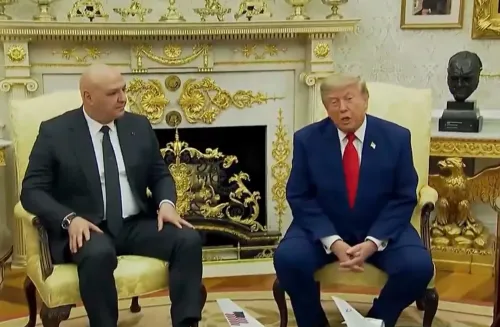
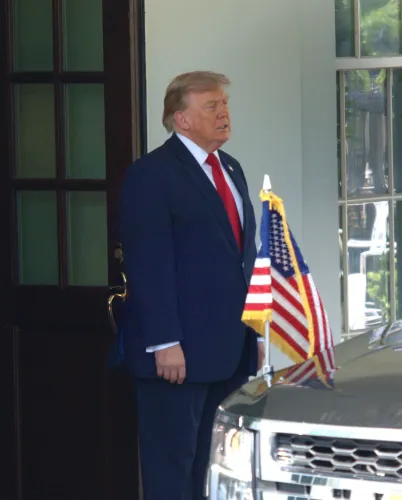
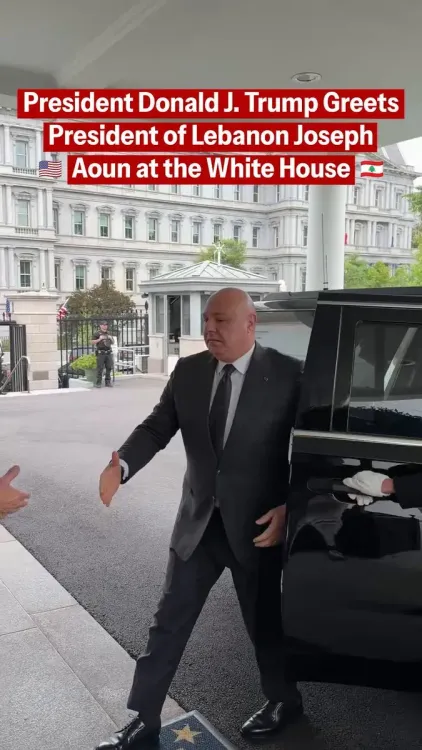
Washington DC, 21 July 2026 — US President Donald J. Trump received Lebanese President Joseph Auon at the White House on Tuesday for a bilateral meeting, marking a significant moment in US-Lebanon diplomatic engagement. The White House shared footage of the two leaders greeting each other ahead of their talks.
Context
President Auon's visit to Washington DC comes at a critical juncture for Lebanon, a country that has been navigating a severe economic crisis since 2019 and prolonged political instability. The bilateral meeting at the White House signals a renewed American interest in direct presidential-level engagement with Beirut's leadership.
The White House post, accompanied by the American and Lebanese flag emojis and a handshake symbol, framed the encounter as a formal diplomatic greeting before substantive talks — a choreography that typically precedes discussion of security, economic, and regional matters.
Policy Backdrop
During Trump's first term, US-Lebanon policy was shaped heavily by efforts to counter Hezbollah, the Lebanese Shia political and militant group designated a terrorist organisation by Washington. The Trump administration expanded sanctions targeting Hezbollah financing and Iranian influence in Lebanon as early as 2019.
The 2020 Abraham Accords, brokered under Trump, normalised ties between Israel and several Arab states, reshaping regional dynamics that have long intersected with Lebanon's own internal fault lines. US engagement with Beirut has historically balanced support for state institutions against pressure on non-state actors operating within Lebanese territory.
White House meetings with Lebanese leaders have traditionally covered a trifecta of concerns: security cooperation, economic assistance, and regional stability linked to Syria and Iran. This visit fits squarely within that established pattern of transactional Middle East diplomacy that defined Trump's earlier tenure.
Stakeholders and Impact
For the Lebanese government, a direct bilateral with the US President carries significant symbolic and practical weight — potentially opening doors to sanctions relief discussions, military aid packages, or renewed economic support from Washington. Lebanon's population has endured years of currency collapse, fuel shortages, and institutional paralysis.
US diplomats and regional observers will watch closely for any joint readout or concrete commitments emerging from the talks. The meeting also carries implications for Israel, Iran, and other regional actors who track Washington's posture toward Beirut as a proxy indicator of broader Middle East strategy.
What's Next
Attention will now turn to any official joint statement or press conference following the bilateral. Specific deliverables — whether on Hezbollah-related measures, military cooperation, or economic aid — will define the practical outcome of President Auon's Washington visit.
The meeting could also foreshadow Lebanon's positioning at upcoming regional diplomatic forums, particularly as US policy in the Middle East continues to evolve under Trump's second term. Any follow-up engagements or announced frameworks will be closely watched by both Beirut's political class and its international creditors.
Point of View
Direct presidential engagement with Beirut aligns with the transactional, leader-to-leader diplomacy that has characterised his Middle East approach across both terms. The meeting could mark a pivot toward a more assertive US role in shaping Lebanon's post-crisis trajectory, particularly if concrete commitments on sanctions or military aid emerge. Regionally, the optics of a White House welcome for the Lebanese president will be read carefully in Tehran, Tel Aviv, and Riyadh alike.
NationPress
22 Jul 2026
Frequently Asked Questions
Why did Lebanese President Auon visit the White House?
Lebanese President Joseph Auon visited the White House on 21 July 2026 for a bilateral meeting with US President Donald Trump , as part of diplomatic engagement covering security, economic aid, and regional stability.
What is the US policy on Lebanon and Hezbollah?
The United States designates Hezbollah as a terrorist organisation and has historically used sanctions to target its financing networks, a policy that was significantly expanded during Trump 's first term in 2019 .
What is the current situation in Lebanon?
Lebanon has been experiencing a severe economic crisis since 2019 , marked by currency collapse, fuel shortages, and prolonged political instability that left the country without a president for an extended period after 2022 .
What could come out of the Trump-Auon bilateral meeting?
Potential outcomes include commitments on sanctions relief, military aid packages, or new frameworks for Hezbollah -related measures, though a formal joint readout is needed to confirm any specific deliverables.
How does this meeting fit Trump's Middle East diplomacy?
The meeting reflects Trump 's established pattern of direct presidential-level engagement in the Middle East , similar to the transactional diplomacy that produced the 2020 Abraham Accords normalising Israel -Arab ties.