Trump says Iran behind FlyDubai attack, Vance urges caution
Synopsis
Trump personally blamed Iran for the FlyDubai attack while his own Vice President stopped short of confirming it — a rare public split in intelligence assessments that underscores how volatile the US-Iran situation has become. Simultaneously, US bombers were moved over a suspected Iranian threat in Britain, with Trump warning those responsible that 'they've got themselves a big problem.'
Key Takeaways
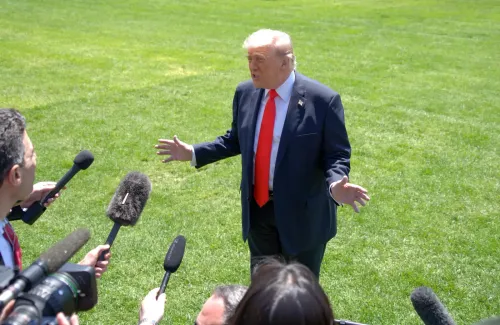
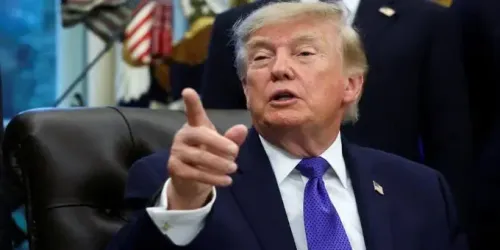
President Donald Trump stated on 6 October 2026 that he personally believes Iran was behind the attempted attack on a FlyDubai flight, without providing evidence.
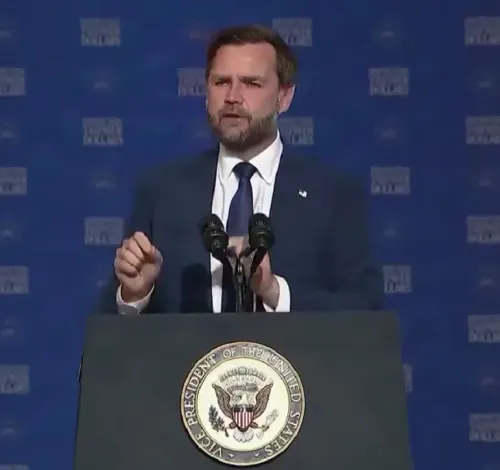
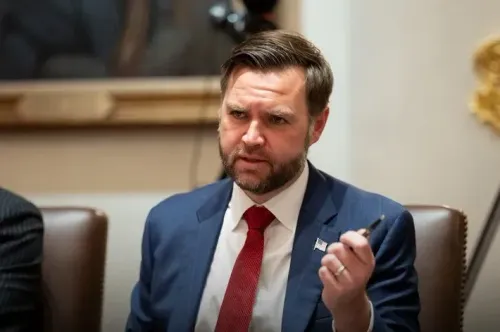
Vice President JD Vance said he had not seen 'anything conclusive' linking Iran to the FlyDubai incident and deferred to CIA Director John Ratcliffe .
The US moved military bombers from a base in response to a separate suspected security threat in Britain , which Trump linked to Iran.
Vance expressed greater confidence about Iranian involvement in the UK threat , describing Iran as engaged in 'acts of terrorism' for 49 years .
Despite the tensions, Trump said he remains open to direct diplomatic talks with Tehran and reiterated that Iran 'will never have a nuclear weapon.'
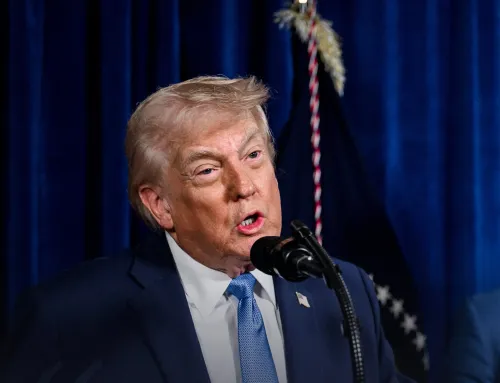
US President Donald Trump on 6 October 2026 said he personally believes Iran was responsible for the attempted attack on a FlyDubai flight, even as Vice President JD Vance struck a more cautious tone, saying he had not yet seen anything conclusive linking Tehran to the incident. The divergence in assessments within the Trump administration has drawn attention as Washington also tracks a separate suspected security threat in Britain that prompted the movement of US military bombers.
Trump's Personal Assertion on FlyDubai
When asked directly whether Iran was responsible for what a reporter described as the terrorist attack involving FlyDubai, Trump responded unequivocally: 'I do; I personally do.' However, Trump did not provide evidence during the exchange to support his assertion. The incident remains under active intelligence review, with the administration withholding specifics ahead of any formal announcement.
Vance Defers to Intelligence Community
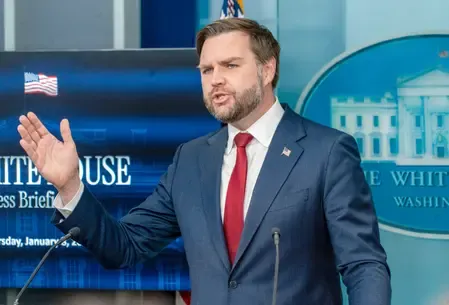
Vance, questioned separately, chose to defer responsibility to CIA Director John Ratcliffe and senior intelligence officials. 'That's something I defer to John Ratcliffe and some of the intelligence folks on,' Vance said. 'I don't want to get ahead of any announcements there, but it's certainly something we're looking at but I wouldn't say I've seen anything conclusive just yet,' he added. Vance also indicated the incident had prompted a broader review of procedures involving foreign pilots operating within the United States, noting that officials were examining whether individuals deemed 'flight risks' were gaining access to aircraft.
UK Security Threat and Bomber Movements
The Trump administration appeared notably more confident when addressing a separate suspected security threat in Britain that led to the repositioning of US bombers from a military base. Trump confirmed the movement was threat-driven: 'Yeah, I think we can say that. I mean, they didn't fly out by accident.' He added that the United States had identified those behind the threat — 'they've got themselves a big problem' — and when asked if they were linked to Iran, he replied: 'They would be linked to Iran.' When pressed on whether Iran had brought combat drones into Britain, Trump declined to confirm specifics but warned: 'If they did, they'll suffer greatly.'
Vance: Iran 'Engaging in Acts of Terrorism' for 49 Years
Vance expressed greater confidence regarding Iranian activity surrounding the UK threat specifically. 'We do feel with some confidence that the Iranians are — they're trying to do what the Iranian state has done for 49 years, which is engage in acts of terrorism against the United States and against a lot of other people as well,' he said. He added that the administration was 'being extremely cautious' without elaborating further. Notably, this is the latest in a pattern of confrontational US-Iran incidents that have periodically escalated under successive administrations.
Trump Leaves Door Open for Diplomacy, Rules Out Iranian Nukes
Despite the charged rhetoric, Trump left open the possibility of direct diplomatic engagement with Tehran. Asked whether he was open to direct talks with Iranian officials, Trump replied: 'Yeah, always.' He also reiterated his long-standing position on Iran's nuclear programme, linking it to broader energy market dynamics: 'Oil prices are coming down and here's the nice part — Iran will never have a nuclear weapon.' The combination of military posturing and diplomatic openness mirrors the push-pull approach that has historically characterised US-Iran relations under multiple administrations.
Point of View
It signals either a fractured intelligence picture or deliberate strategic ambiguity. The simultaneous US bomber movement over a UK-based Iranian threat raises the stakes further: Washington appears to be managing multiple fronts against Tehran while keeping diplomatic channels nominally open. Trump's 'Yeah, always' on direct talks, offered in the same breath as military warnings, is consistent with his pattern of maximum-pressure diplomacy — but the lack of any evidentiary basis for the FlyDubai claim risks inflaming tensions on an assertion that Vance himself has not validated.
NationPress
6 Oct 2026
Frequently Asked Questions
What did Trump say about Iran and the FlyDubai attack?
Trump said he personally believes Iran was responsible for the attempted attack on a FlyDubai flight, stating 'I do; I personally do' when asked directly. He did not provide evidence to support the claim during the exchange.
Why did JD Vance not confirm Iran's role in the FlyDubai incident?
Vice President Vance said he had not seen anything conclusive linking Iran to the FlyDubai incident and deferred the assessment to CIA Director John Ratcliffe and the broader intelligence community. He indicated he did not want to get ahead of any formal announcements.
Why did the US move bombers amid the UK security threat?
Trump confirmed US bombers were repositioned from a military base in response to a specific security threat in Britain, which he and Vance both linked to Iran. Trump said the US knew who was responsible and warned they 'have got themselves a big problem.'
Is the US open to talks with Iran despite the tensions?
Yes, Trump said he remains open to direct diplomatic talks with Tehran, responding 'Yeah, always' when asked. He simultaneously reiterated that Iran would never be allowed to obtain a nuclear weapon.
What did Vance say about Iran's broader threat posture?
Vance said the administration felt 'with some confidence' that Iran was engaged in what he described as its decades-long pattern of acts of terrorism against the United States and others, calling it behaviour characteristic of the Iranian state for 49 years. He added the administration was being 'extremely cautious.'