Trump says US 'only semi-negotiating' with Iran over Strait of Hormuz
Synopsis
Trump says the US is ‘only semi-negotiating’ with Iran — choosing economic squeeze over military strikes — even as Tehran denies any talks are underway and a three-way Oman-brokered Strait of Hormuz deal sits unsigned. With 20% of global fossil fuel traffic at stake, the gap between Washington’s public optimism and Tehran’s public denial is the story.
Key Takeaways
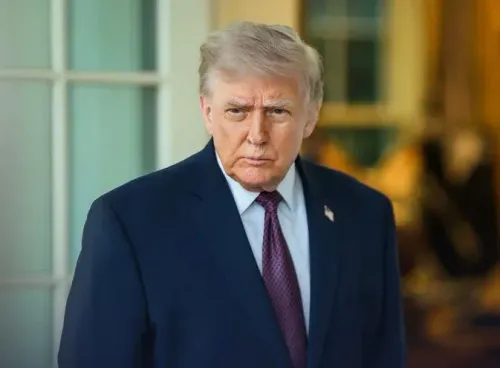
President Trump said on 10 August that the US is ‘only semi-negotiating’ with Iran , opting for economic pressure over military action.
A maritime traffic agreement for the Strait of Hormuz , negotiated among Iran , Oman , and the US , has been pending for several days.
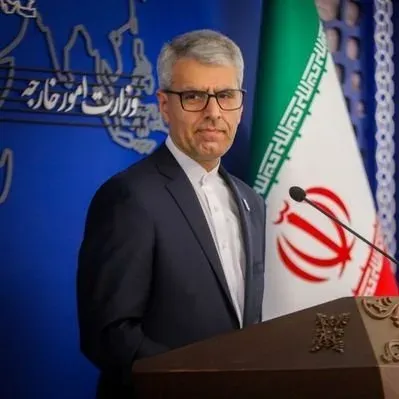
Iranian Foreign Minister Araghchi said Iran and Oman are ‘very close’ to a deal on a temporary Hormuz route, but stressed no direct Iran-US talks are underway.
Araghchi added that resumption of Iran-US negotiations requires the US to end what he called violations of a recently signed MoU.
The Strait of Hormuz carries approximately 20% of global fossil fuel traffic, making the standoff a direct risk to world energy markets.
US President Donald Trump said on 10 August that Washington is “only semi-negotiating” with Iran, signalling a preference for sustained economic pressure over military action even as conflicting statements from both sides leave the status of the Strait of Hormuz — a chokepoint for roughly 20% of the world’s fossil fuel traffic — mired in uncertainty.
Trump’s Stance: Pressure Over Force
In a brief phone call, Trump told reporters that the US is “low keying it,” arguing that Iran “is in very bad shape” economically. The remarks suggest he is banking on financial strain to extract concessions rather than escalating to a new military offensive — a notable calibration given his earlier warnings.
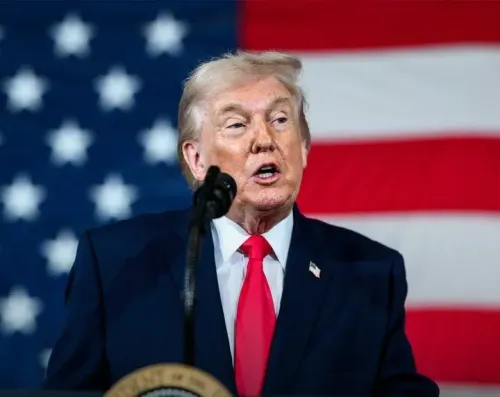
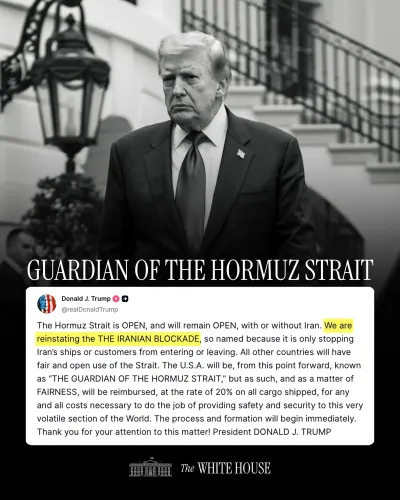
Earlier in the week, Trump had threatened that Iran would be “hit very hard” if the Strait of Hormuz was not reopened “very soon,” and had issued what he called a “last chance before decapitation.” On Monday, speaking from the Oval Office, he said the two sides were discussing opening the Strait “literally by tomorrow.” That timeline passed without resolution.
The Strait of Hormuz Agreement: Pending, Not Signed
According to reports, a separate agreement governing maritime traffic in the Strait of Hormuz — negotiated among Iran, Oman, and the United States — has been “pending for a few days.” Iranian Foreign Minister Seyed Abbas Araghchi said on Saturday that Iran and Oman are “very close” to finalising a temporary route designation for maritime traffic through the Strait.
However, Araghchi struck a harder line on Sunday, stating that the resumption of direct Iran-US negotiations would not be possible unless Washington ends what he described as violations of a recently signed memorandum of understanding between the two countries. He made the remarks to reporters on the sidelines of an event in Tehran, stressing that “no negotiations are currently underway” between the two sides.
Contradictory Claims Deepen Uncertainty
The diplomatic picture is complicated by sharply divergent accounts. In an interview with Fox News, Trump said the US is having “very good discussions” with Iran. Tehran flatly denied that any talks are taking place. This pattern of simultaneous assertion and denial from both capitals has become a recurring feature of the standoff.
Notably, this is not the first time conflicting signals have clouded the Iran-US relationship at a critical juncture. The back-and-forth over the Strait — through which a fifth of global fossil fuel supplies transit — carries direct consequences for oil markets, regional shipping, and energy-importing nations including India.
What Comes Next
The pending Oman-brokered maritime agreement remains the most concrete diplomatic pathway on the table. Whether it holds depends on whether both sides can reconcile their public positions with what is reportedly being discussed in back channels. With economic pressure on Iran intensifying and Trump resisting a military option for now, the coming days will test whether “semi-negotiating” can produce a durable opening.
Point of View
Not between the two capitals directly, which is consistent with how the 2015 JCPOA groundwork was laid. The contradiction between Trump’s ‘very good discussions’ and Tehran’s flat denial is not a communications failure — it is the negotiation. Both sides need deniability at home. The risk is that the window for an Oman-brokered fix is narrow: if the pending maritime deal collapses, Trump’s earlier ‘last chance’ language creates escalatory pressure he may find hard to walk back.
NationPress
10 Aug 2026
Frequently Asked Questions
What did Trump mean by 'only semi-negotiating' with Iran?
Trump used the phrase to indicate that the US is not engaged in full formal negotiations with Iran, but is instead relying on economic pressure to influence Tehran’s behaviour. He told reporters the US is ‘low keying it,’ suggesting a deliberate strategy of restraint rather than military escalation.
What is the Strait of Hormuz agreement involving Oman?
A maritime traffic agreement for the Strait of Hormuz has reportedly been negotiated among Iran, Oman, and the United States and has been pending for several days. Iranian Foreign Minister Araghchi said Iran and Oman are ‘very close’ to finalising a temporary route designation for shipping through the Strait.
Why has Iran said it is not in talks with the US?
Iranian Foreign Minister Araghchi stated on Sunday that no negotiations are currently underway between Iran and the US, and that resumption would only be possible if Washington stops what Tehran considers violations of a recently signed memorandum of understanding. This directly contradicts Trump’s claim of ‘very good discussions.’
Why does the Strait of Hormuz matter globally?
The Strait of Hormuz is the world’s most critical oil transit chokepoint, carrying approximately 20% of global fossil fuel traffic. Any disruption to navigation there would affect oil prices and energy supply chains worldwide, including for major importers like India.
What threats did Trump make earlier in the week?
Earlier in the week, Trump warned that Iran would be ‘hit very hard’ if the Strait of Hormuz was not reopened ‘very soon,’ and referred to a ‘last chance before decapitation.’ On Monday he said the Strait could be open ‘literally by tomorrow,’ a timeline that passed without resolution.