Trump claims US will seize Strait of Hormuz after defeating Iran
Synopsis
In a speech on crime in New York, Trump declared he would claim the Strait of Hormuz — the world's most critical oil chokepoint — as US territory after defeating Iran. He asserted Iran's entire navy and air force had been destroyed, offered no evidence, and admitted there is 'nobody to negotiate with.' The geopolitical and legal implications are enormous.
Key Takeaways
President Donald Trump stated on 15 August that he would declare the Strait of Hormuz a territory of the United States after defeating Iran.
Trump claimed Iran's entire fleet of 159 ships had been sunk and all 212 aircraft shot down — without providing evidence.
He said Iran's senior leadership had been 'severely depleted,' leaving 'nobody to negotiate with.' Trump justified the military campaign as necessary to prevent Iran from acquiring a nuclear weapon.
The Strait of Hormuz carries roughly a fifth of global oil supply; a US territorial claim would be unprecedented under international maritime law.
US President Donald Trump on 15 August declared his intention to claim the Strait of Hormuz as a territory of the United States once military operations against Iran conclude — an extraordinary assertion over one of the world's most critical energy chokepoints, through which roughly a fifth of global oil supply passes.
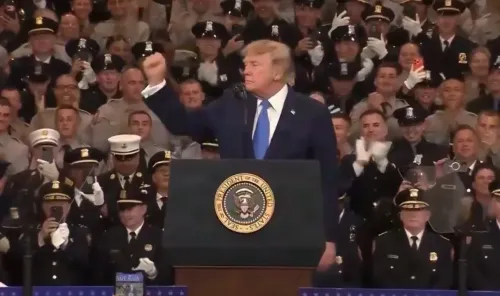
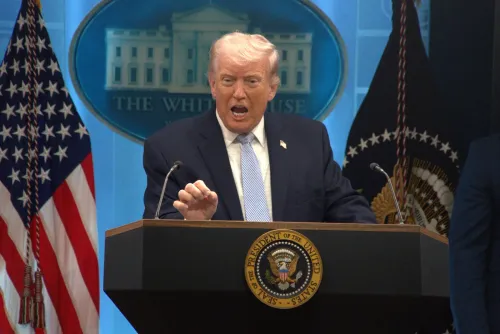
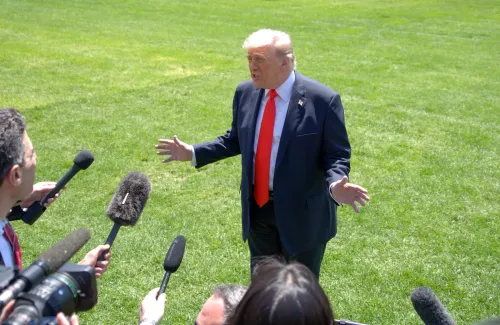
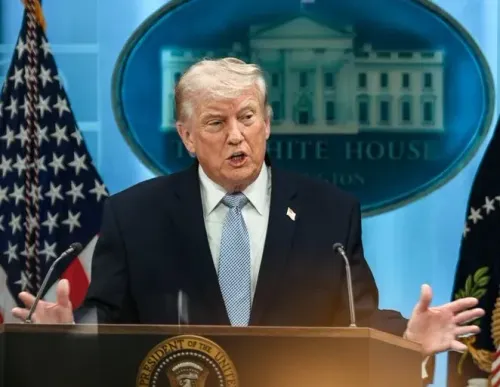
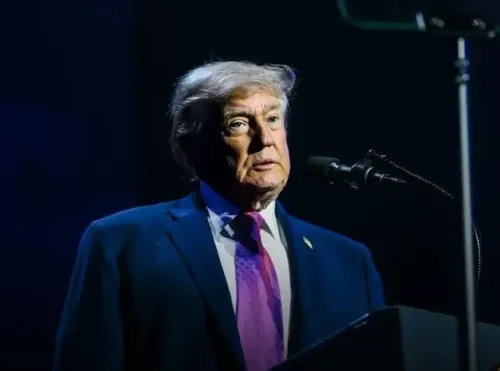
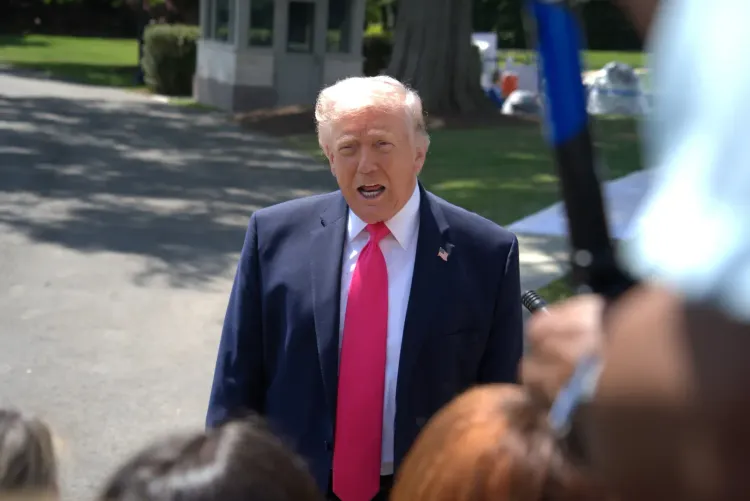
Trump made the remark during a speech on crime and law enforcement in Garden City, New York, offering no legal framework or operational detail for how such a territorial claim could be established under international law.
What Trump Said
'After we finish defeating Iran, which is being very badly defeated, pretty soon I'll be declaring the Hormuz Strait a territory of the United States,' Trump said during the address.
The president went on to present a sweeping account of alleged US military gains against Iran, claiming that Iran's navy had been entirely destroyed — asserting that all 159 ships of Iran's fleet were 'at the bottom of the sea.' He also claimed that all 212 aircraft in Iran's air force had been shot down, and that the country's radar and intelligence infrastructure had been eliminated.
Trump did not provide evidence for any of the military figures cited in the speech.
Iran's Leadership 'Gone,' Negotiations Difficult
Trump further claimed that Iran's senior leadership had been 'severely depleted,' describing successive tiers of command as eliminated. He acknowledged this created complications for any prospective diplomatic resolution.
'That's one of my problems, there's nobody to negotiate with. It is a problem,' he said.
The president added that while Iran retained some missiles and drones, its capacity to manufacture them had reportedly been badly damaged.
Nuclear Justification
Earlier in the speech, Trump framed the military campaign as a necessary measure to prevent Tehran from acquiring a nuclear weapon. 'I built the military, and now I used it, a little bit more than I wanted to, frankly, but that's OK, because we cannot let Iran have a nuclear weapon,' he said.
He also referenced aircraft allegedly purchased by Iran 'through Obama, Barack Hussein Obama' — a claim that appeared to conflate historical arms transfers with current operational losses.
Context and Global Implications
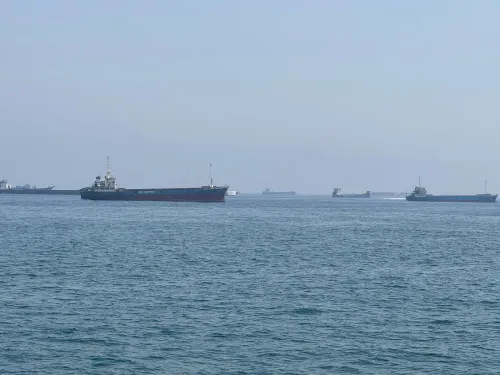
The Strait of Hormuz, a narrow waterway between Iran and Oman, is the world's most critical oil transit chokepoint. Any claim of US territorial sovereignty over it would represent an unprecedented departure from established international maritime law, including the United Nations Convention on the Law of the Sea (UNCLOS).
Notably, the United States has never ratified UNCLOS, but has consistently invoked freedom of navigation principles in the region. A formal territorial claim would likely trigger immediate diplomatic and legal challenges from Iran, Oman, and major oil-importing nations including China, India, Japan, and South Korea.
This comes amid an already volatile geopolitical environment in the Persian Gulf, where energy markets remain sensitive to any escalation signal from Washington or Tehran. How international partners — and global oil markets — respond to Trump's remarks will be closely watched in the days ahead.
Point of View
Gulf sovereignty, and the interests of every major Asian oil importer, including India. The unverified military figures — 159 ships sunk, 212 aircraft destroyed — are extraordinary claims that demand independent verification, which the speech did not offer. What is equally significant is Trump's admission that Iran's leadership is too depleted to negotiate with: it raises the question of what the endgame actually looks like. For India, which depends heavily on Gulf oil and has longstanding ties with Tehran, the Hormuz claim is not an abstraction — it is a direct energy security signal that New Delhi cannot afford to ignore.
NationPress
15 Aug 2026
Frequently Asked Questions
What did Trump say about the Strait of Hormuz?
President Trump said he intends to declare the Strait of Hormuz a territory of the United States once military operations against Iran are concluded. He made the remark during a speech in Garden City, New York, on 15 August, without providing a legal basis or operational plan for the claim.
What military claims did Trump make about Iran?
Trump claimed that Iran's entire navy of 159 ships had been sunk and all 212 of its aircraft destroyed. He also asserted that Iran's radar, intelligence systems, and senior leadership had been eliminated. He did not provide evidence for any of these figures.
Why does the Strait of Hormuz matter?
The Strait of Hormuz is the world's most important oil transit chokepoint, through which roughly a fifth of global oil supply passes. Any disruption or change in sovereignty over the waterway would have immediate consequences for global energy markets and major oil-importing nations including India, China, Japan, and South Korea.
Is a US territorial claim over the Strait of Hormuz legally possible?
Such a claim would be unprecedented under international maritime law. The strait lies between Iran and Oman and is governed by freedom of navigation principles. A US territorial assertion would likely face immediate legal and diplomatic challenges from multiple nations and would conflict with established international norms, even though the US has not ratified UNCLOS.
Why did Trump say military action against Iran was necessary?
Trump framed the campaign as essential to preventing Iran from acquiring a nuclear weapon, stating: 'we cannot let Iran have a nuclear weapon.' He also acknowledged that the depletion of Iran's leadership has made negotiations difficult, saying 'there's nobody to negotiate with.'