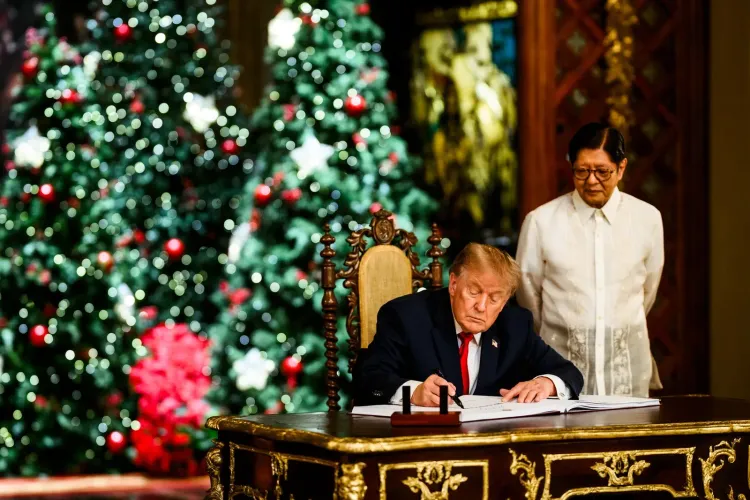
Trump Signs Guest Book at Malacañang Palace in Manila
Synopsis
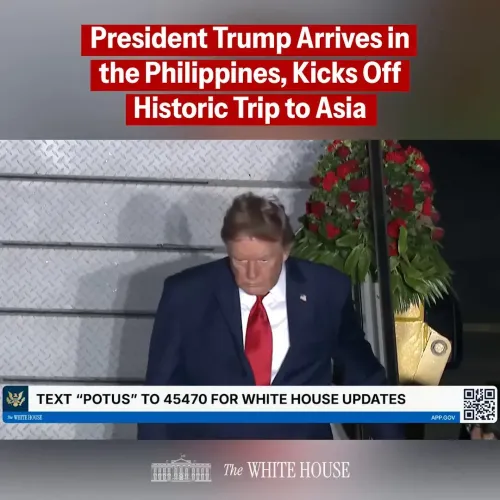
President Donald J. Trump signed the guest book at Malacañang Palace in Manila on November 18, 2026, writing a warm message declaring American affection for the Philippines, underscoring the longstanding US-Philippines treaty alliance during his visit.
Key Takeaways
Trump signed the guest book at Malacañang Palace in Manila on November 18, 2026 .
His inscription read: 'This is such a great honor — THE U.S.A.
LOVES YOU!' Malacañang Palace is the official residence and principal workplace of the President of the Philippines.
The US-Philippines Mutual Defense Treaty of 1951 underpins one of Washington's oldest alliances in the Indo-Pacific.
Trump previously visited Manila in November 2017 for the US-ASEAN Summit, also meeting with the Philippine president at Malacañang.
Follow-on defense cooperation announcements or bilateral communiqués are expected after the visit.
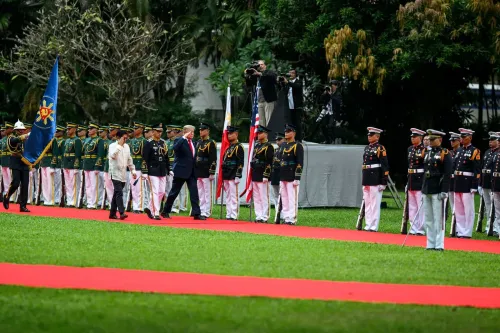
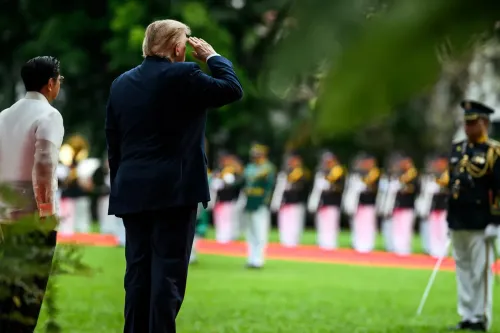
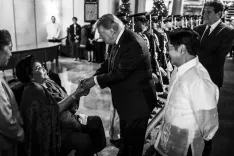
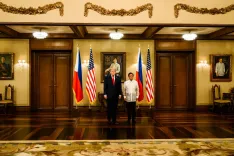
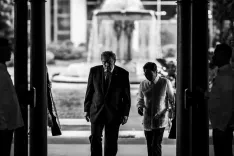
A pen, a palace, and a pointed declaration of affection — President Donald J. Trump signed the guest book at Malacañang Palace in Manila, Philippines on Wednesday, November 18, 2026, inscribing a message that left little room for diplomatic ambiguity: 'This is such a great honor — THE U.S.A. LOVES YOU!'
A Storied Palace and What a Signature Signals
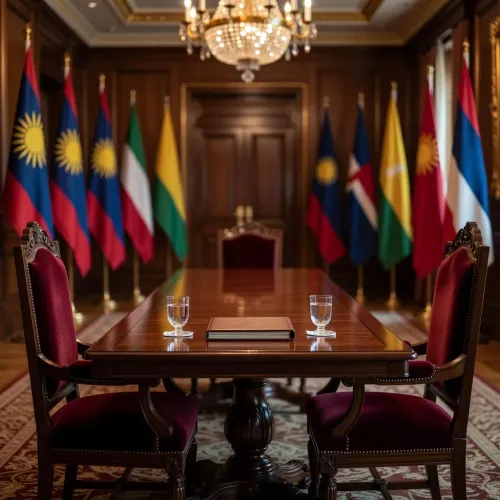
Malacañang Palace is not merely a presidential residence. Perched on the northern bank of the Pasig River in Manila, it is the seat of Philippine executive power and one of the oldest continuously occupied government buildings in Southeast Asia. When a visiting head of state steps into its ceremonial halls and uncaps a pen for the guest book, the gesture carries the full weight of the bilateral relationship — and Trump's all-caps message was clearly designed to do exactly that.
The Alliance Architecture Behind the Visit
The US-Philippines Mutual Defense Treaty of 1951 remains the bedrock of one of Washington's oldest treaty alliances in the Indo-Pacific. Trump had visited Manila before — in November 2017, he attended the US-ASEAN Summit and held a bilateral with then-President Rodrigo Duterte at this same palace. That visit signalled a recalibration of the alliance after years of friction; this return carries similar symbolic freight.
US presidential stops in Manila have historically served a dual purpose: reaffirming mutual defense commitments and coordinating on the increasingly contested waters of the South China Sea. The Indo-Pacific chessboard has only grown more complex in the years since, making a visible American presidential presence here a message received well beyond the Philippines' borders.
What Comes After the Ink Dries
The guest book signature is ceremony — but it is rarely the end of the story. Watch for follow-on bilateral communiqués, any defense cooperation announcements, or the scheduling of a reciprocal visit by Philippine officials to Washington. The warmth of a penned inscription in a palace hall tends to find its policy expression in the documents that follow.
Point of View
Designed to resonate as much with Filipino public opinion as with the Philippine government. The visit fits a recognisable pattern of US presidents using Manila stops to reinforce treaty commitments at moments of elevated Indo-Pacific tension. For India, which is itself deepening its own Quad and bilateral security architecture with Washington, the signal is broader: the US is visibly investing in its Southeast Asian alliance network. The real diplomatic content, however, will emerge in whatever agreements or joint statements follow the ceremony.
NationPress
18 Nov 2026
Frequently Asked Questions
Why did Trump visit the Philippines in 2026?
President Trump visited Manila in November 2026, signing the guest book at Malacañang Palace as part of a bilateral engagement with the Philippines, a longstanding US treaty ally in the Indo-Pacific.
What did Trump write in the Malacañang Palace guest book?
Trump wrote: 'This is such a great honor — THE U.S.A. LOVES YOU!' in the guest book at Malacañang Palace in Manila on November 18, 2026.
What is Malacañang Palace?
Malacañang Palace is the official residence and principal workplace of the President of the Philippines, located in Manila, and is used for state ceremonies including guest book signings by visiting heads of state.
What is the US-Philippines alliance based on?
The US-Philippines alliance is anchored in the Mutual Defense Treaty of 1951, which commits both nations to mutual defense and has underpinned security cooperation in the Indo-Pacific for over seven decades.
Has Trump visited the Philippines before?
Yes. Trump visited Manila in November 2017 to attend the US-ASEAN Summit and held a bilateral meeting with then-Philippine President Rodrigo Duterte at Malacañang Palace.