White House: Trump on Pod Force One Talks Iran, SAVE America Act
Synopsis
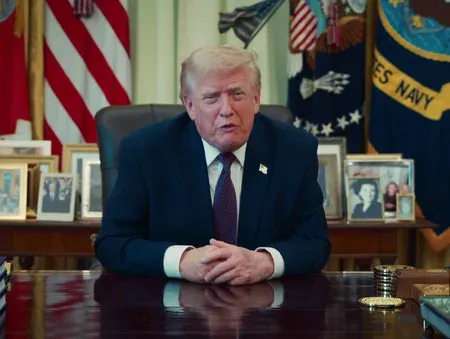
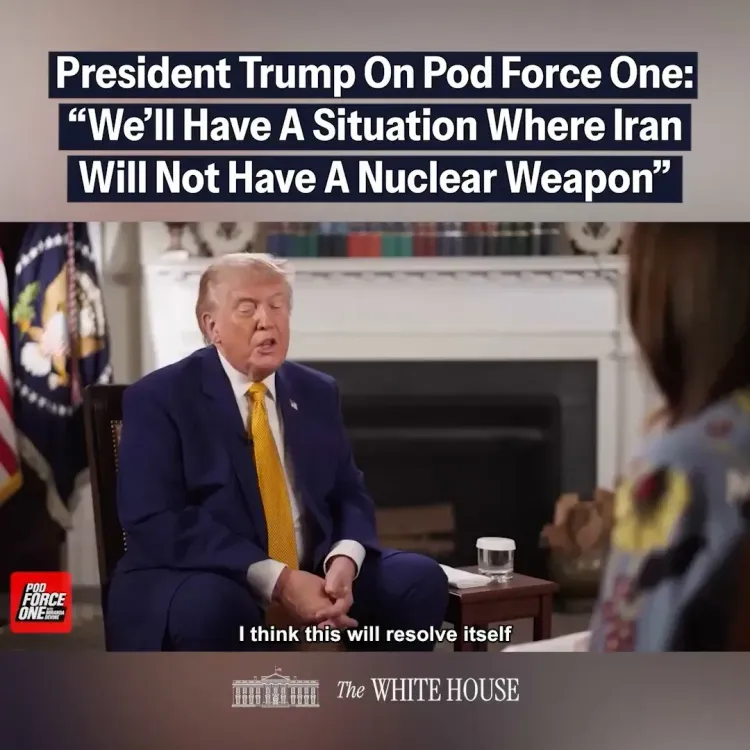
The White House on June 3, 2026 publicised President Donald Trump's appearance on Pod Force One, where he discussed Iran negotiations, the SAVE America Act and other priorities. A short highlights video accompanied the post, continuing the administration's strategy of using podcasts to address supporters directly on foreign and domestic policy.
Key Takeaways
The White House promoted President Trump's appearance on the Pod Force One podcast on June 3, 2026.
Trump discussed ongoing Iran negotiations, extending a policy arc that began with the 2018 US withdrawal from the JCPOA.
The conversation also covered the proposed SAVE America Act, sharing branding with Trump's post-2020 Save America PAC.
The post linked to a curated highlights video under two minutes long, aimed at social-media audiences.
Specific terms of the Iran talks and SAVE America Act were not detailed in the official message.
The White House on June 3, 2026 publicised a podcast appearance by President Donald Trump on Pod Force One, in which the US leader discussed ongoing Iran negotiations, the proposed SAVE America Act and other administration priorities. The official post from Washington flagged a short highlights video of the conversation and ran under two minutes in length.
'President Trump joins Pod Force One to break down Iran negotiations, SAVE America Act and more,' the White House said in its post, urging followers to 'watch the key moments in under two minutes.' The message was accompanied by a US flag emoji and a video link, signalling a curated package aimed at social-media audiences rather than a formal policy briefing.
Context
The appearance fits a familiar pattern in which the second Trump administration uses long-form podcasts and short social clips to communicate directly with supporters, bypassing traditional press conferences. Pod Force One is among the podcast platforms that has hosted senior administration figures during Trump's second term.
By packaging foreign policy and domestic legislation in a single conversation, the White House is signalling that the two tracks — pressure on Tehran abroad and a legislative push at home — are being run in parallel as part of the broader 'America First' platform.
Policy backdrop
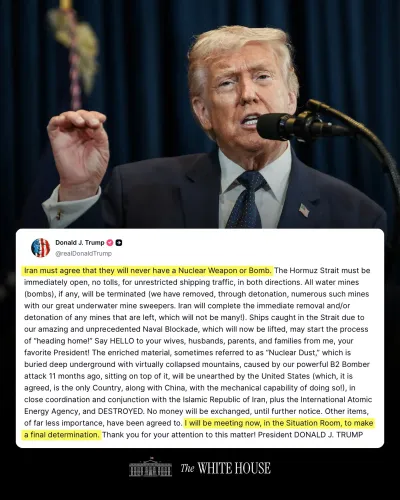
Iran has been a defining file for Trump since his first term. In May 2018, he withdrew the United States from the Joint Comprehensive Plan of Action, the 2015 nuclear agreement, and launched a 'maximum pressure' sanctions campaign aimed at curbing Tehran's nuclear and regional activities. The current round of Iran negotiations referenced in the post continues that policy arc, though specific terms have not been detailed in the White House message.
The SAVE America Act mentioned by the President shares branding with the Save America political action committee that Trump established after the 2020 election to back aligned candidates and causes. The legislative details of the Act as discussed in the podcast were not spelt out in the official post.
Stakeholders and impact
The immediate audience is American voters, particularly the Republican base that follows administration-aligned podcasts. For US negotiators and Iranian officials, every presidential comment on the talks is parsed for signals on red lines, sanctions relief and the scope of any prospective deal.
For Indian observers, the Iran track matters because New Delhi maintains energy, connectivity and strategic interests in the region, including the Chabahar port project. Any tightening or easing of US sanctions architecture has knock-on effects on Indian banks, refiners and shippers that have historically navigated US secondary sanctions with care.
Domestically in the United States, the SAVE America Act framing folds the Iran conversation into a wider pitch on national security and governance, allowing the White House to keep foreign policy intertwined with the legislative agenda heading into the next congressional cycle.
What's next
Key markers to watch include any formal readout of the next round of US-Iran diplomatic contact, fresh sanctions designations or waivers from the US Treasury, and concrete congressional movement on a bill bearing the SAVE America label. Further podcast appearances are also likely, given the administration's preference for this format.
For now, the White House post functions as a teaser — directing supporters to the full Pod Force One conversation while keeping the substance of both the Iran talks and the proposed legislation open to interpretation until official documents follow.
Point of View
The administration keeps two distinct narratives — pressure on Tehran and a domestic agenda — under one ideological umbrella. The choice of Pod Force One over a formal briefing also continues the pattern of routing presidential messaging through friendly long-form platforms. For India and other interested capitals, the real content will come not from such teasers but from subsequent Treasury notices and congressional drafts.
NationPress
22 Oct 2026
Frequently Asked Questions
What did Trump say about Iran on Pod Force One?
According to the White House post, President Trump used the Pod Force One podcast to 'break down Iran negotiations' along with other issues. The official message did not disclose specific terms of the talks, pointing viewers to a highlights video instead.
What is the SAVE America Act mentioned by the White House?
The SAVE America Act is a legislative proposal referenced by President Trump during his Pod Force One appearance. The White House post did not detail its provisions; the branding echoes Trump's Save America political action committee set up after the 2020 election.
When did the US withdraw from the Iran nuclear deal?
The United States withdrew from the Joint Comprehensive Plan of Action in May 2018 under President Trump. The exit was followed by a 'maximum pressure' sanctions campaign targeting Iran's nuclear and regional activities.
Why does US-Iran policy matter for India?
US-Iran policy directly affects Indian energy imports, banking channels and the Chabahar port project. Tighter US sanctions usually force Indian refiners and lenders to recalibrate exposure, while any easing can open new trade and connectivity options.
What is Pod Force One?
Pod Force One is a podcast that has hosted senior figures from the Trump administration. The White House uses such platforms to reach supporters with long-form conversations and short highlight clips, bypassing traditional press briefings.