Trump Vows to End Taxpayer Fraud, White House Declares
Synopsis
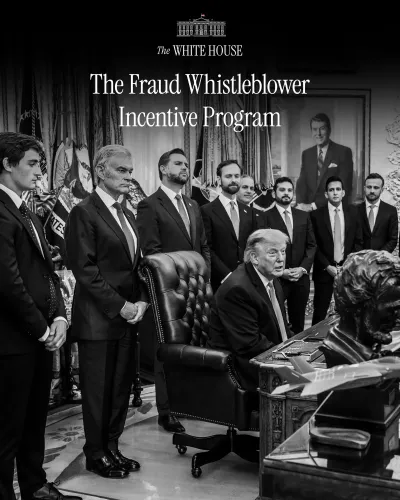
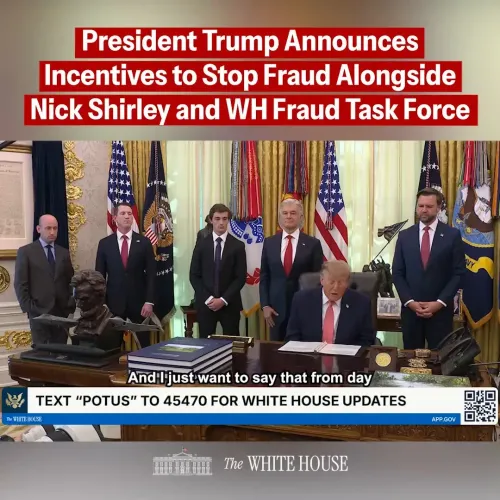
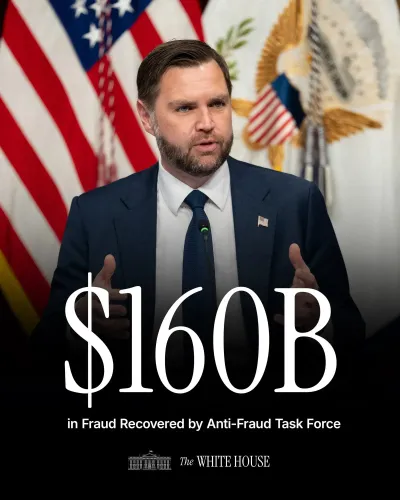
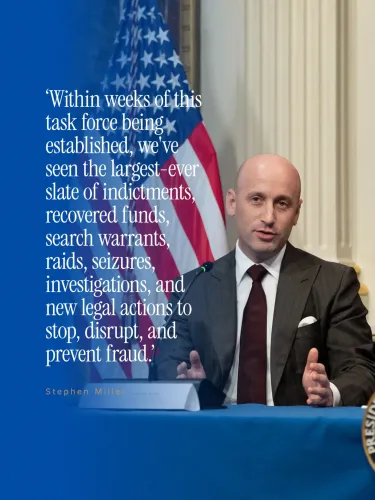
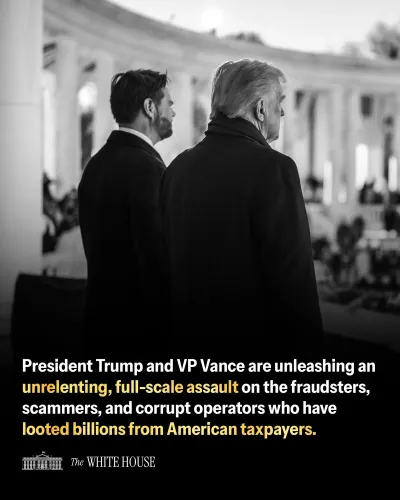
The White House announced that President Donald J. Trump is taking action to protect Americans from scammers exploiting federal programs, declaring an end to taxpayer fraud in a pointed October 2026 social media post accompanied by video.
Key Takeaways
Trump has declared a crackdown on scammers and fraudsters targeting American taxpayers and federal programs.
The White House posted the announcement on October 25, 2026 , with an accompanying video.
The statement uses emphatic language — 'The days of ripping off the American taxpayer are OVER' — signalling political intent, not just policy routine.
The anti-fraud drive aligns with longstanding Republican emphasis on limiting government waste and strengthening federal oversight mechanisms.
Specific follow-up measures — executive actions, agency directives, or new legislation — have not yet been confirmed from available records.
A blunt warning to scammers and fraudsters — The White House posted on Sunday, October 25, 2026, declaring that President Donald J. Trump is moving decisively to shield Americans and their tax dollars from those who exploit federal programs. The message was unambiguous: 'The days of ripping off the American taxpayer are OVER.'
The Administration's Anti-Fraud Stance in Plain Language
The post frames Trump's effort as a direct protection of working Americans — people whose hard-earned money funds federal programs and whose trust is violated every time those programs are gamed. It is a theme the Trump administration has consistently amplified, positioning fiscal discipline and fraud crackdown as a core governing identity. The language is deliberately combative: not a policy memo, but a signal.
Republican administrations have long championed tightening oversight of federal expenditure, pointing to improper payments across entitlements, procurement, and social safety-net programs as evidence of systemic waste. The Trump White House has leaned into this message with particular force, framing every dollar recovered from fraud as a dollar returned to the taxpayer.
What Federal Fraud Costs Americans
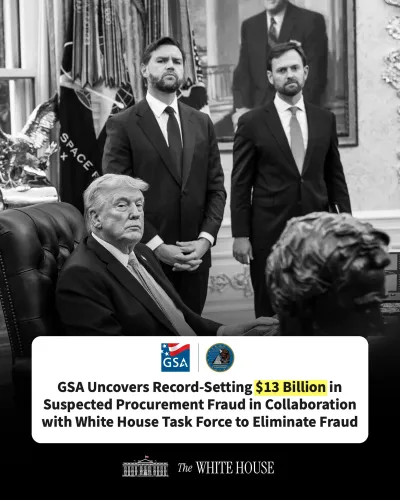
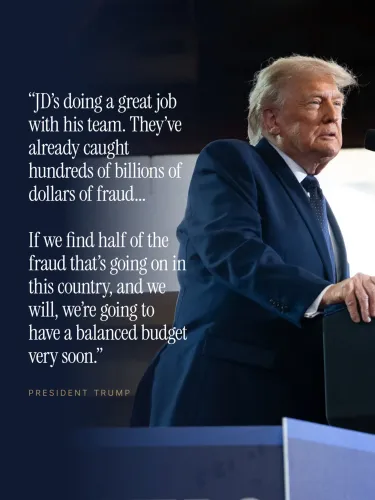
Improper payments across US federal programs have historically run into the hundreds of billions of dollars annually — a figure that spans Medicare, Medicaid, unemployment insurance, and procurement contracts. While the specific measures referenced in the linked video could not be independently verified from available records, the administration's broader push aligns with executive-branch tools: agency directives, inspector-general empowerment, and tightened eligibility verification.
The political stakes are real. For Trump's base, cracking down on fraud is both a fiscal and a moral argument — a promise that the government is finally working for the people who fund it, not for those who game it.
What to Watch Next
The sharpness of the language — and the accompanying video — suggests this is more than routine messaging. Watch for follow-up executive actions, agency-level directives targeting specific fraud vectors, or proposed legislation that puts legislative muscle behind the declaration. When an administration says the era of a particular abuse is 'over,' the next question is always: what enforcement mechanism makes that true?
Point of View
Fiscal oversight and anti-waste drives serve the dual purpose of shrinking government footprint and reinforcing a populist narrative of an establishment finally held accountable. The emphatic, uppercase 'OVER' is a rhetorical choice that transforms an administrative function into a culture-war-adjacent declaration. Whether concrete enforcement actions follow will determine if this is a governing moment or a messaging one.
NationPress
26 Oct 2026
Frequently Asked Questions
What did the White House say about Trump and taxpayer fraud?
The White House declared on October 25, 2026, that President Trump is protecting Americans and their tax dollars from scammers and fraudsters, stating 'The days of ripping off the American taxpayer are OVER.'
What specific actions is Trump taking against federal fraud?
The White House post referenced an accompanying video but specific executive actions or legislation had not been independently confirmed as of the announcement. Watch for agency directives or follow-up executive orders.
How much money is lost to federal program fraud in the US each year?
Improper payments across US federal programs have historically totalled hundreds of billions of dollars annually, spanning Medicare, Medicaid, unemployment insurance, and procurement contracts.
Is cracking down on government fraud a Republican priority?
Yes. Republican administrations have consistently emphasised reducing improper federal payments and strengthening oversight, framing it as both a fiscal responsibility and a moral obligation to taxpayers.
Why does Trump emphasise taxpayer fraud in his messaging?
The anti-fraud message serves both a policy purpose — recovering misused public funds — and a political one, reinforcing the narrative that the administration is defending ordinary working Americans against a broken, exploited system.