Trump warns Iran of annihilation after fresh US air strikes over Hormuz tanker attack
Synopsis
For the second consecutive day, the US has struck Iranian military targets — this time after a drone hit the Panama-flagged tanker M/T Kiku carrying over two million barrels of crude near the Strait of Hormuz. Trump's Truth Social warning that Iran 'will no longer exist' if attacks persist marks the starkest American threat yet, even as a ceasefire announced earlier this week visibly unravels.
Key Takeaways
US President Donald Trump ordered fresh air strikes on Iranian military targets on 28 June after accusing Tehran of ceasefire violations.
An Iranian one-way attack drone struck the Panama-flagged tanker M/T Kiku at 4:30 a.m.
ET , near the Strait of Hormuz ; the vessel was carrying more than two million barrels of crude oil.
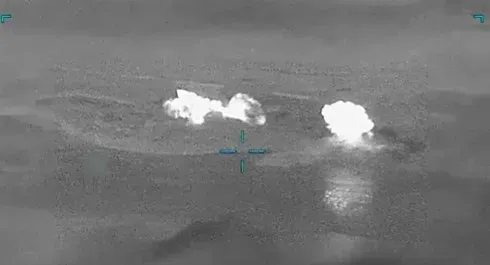
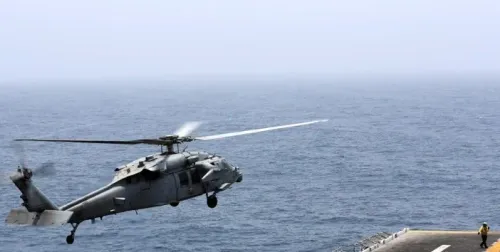
CENTCOM said US aircraft targeted Iranian surveillance infrastructure, communication systems, air defence sites, drone storage facilities, and minelayer capabilities.
Trump warned on Truth Social that the Islamic Republic of Iran 'will no longer exist' if attacks on commercial shipping continue.
The strikes are the second consecutive day of US military action against Iran, following Friday's strikes over the attack on M/V Ever Lovely .
CENTCOM confirmed commercial vessel transits through the Strait of Hormuz are continuing.
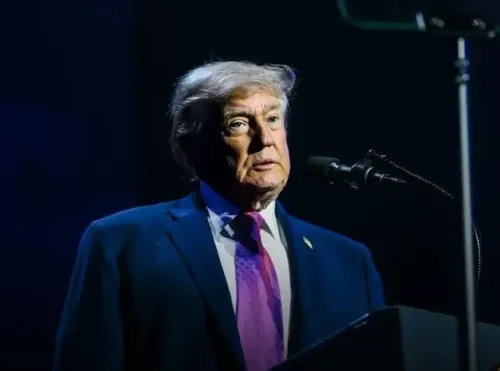
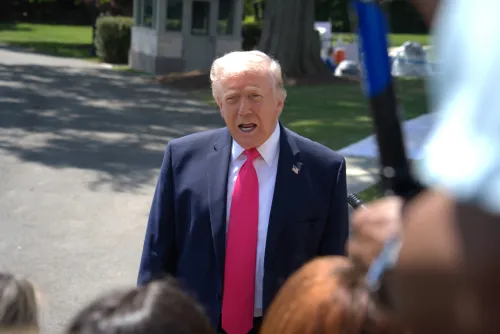
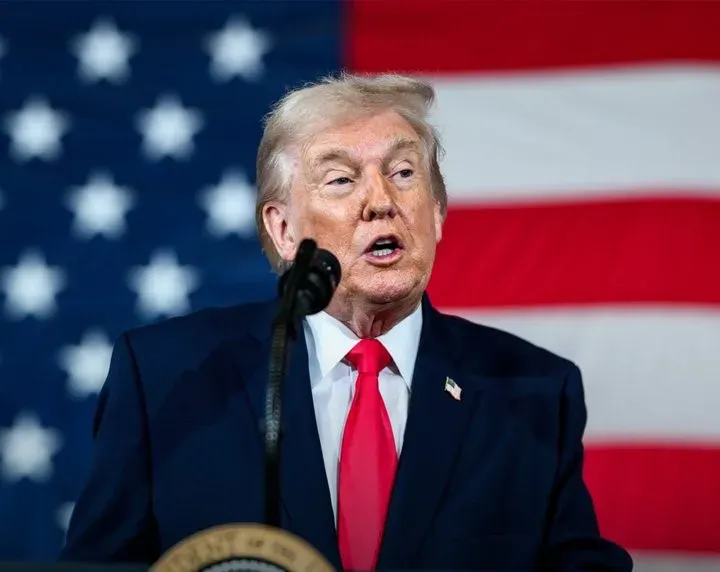
US President Donald Trump on Saturday, 28 June announced fresh American air strikes on Iranian military targets, accusing Tehran of again breaching the ceasefire agreement by attacking a commercial oil tanker near the Strait of Hormuz. In a stark warning posted on Truth Social, Trump declared that the Islamic Republic of Iran 'will no longer exist' if such attacks continue.
What Triggered the Strikes
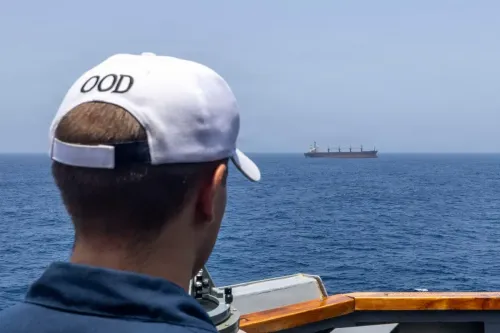
According to the US Central Command (CENTCOM), Iranian forces launched a one-way attack drone that struck the Panama-flagged tanker M/T Kiku at 4:30 a.m. ET on Saturday. The vessel was transiting near the Strait of Hormuz carrying more than two million barrels of crude oil at the time of the strike.
CENTCOM stated that the operation was carried out at the President's direct order 'in response to continued Iranian aggression against commercial shipping.' The command noted that Iran had been given an opportunity to honour the ceasefire following Friday's US strikes — themselves a response to an earlier Iranian attack on the vessel M/V Ever Lovely — but chose not to comply.
Targets Hit and Trump's Warning
In his Truth Social post, Trump said US aircraft had struck Iranian missile and drone storage locations as well as coastal radar sites. CENTCOM separately confirmed that US military aircraft targeted Iranian military surveillance infrastructure, communication systems, air defence sites, drone storage facilities, and minelayer capabilities.
Trump's post read: 'United States aircraft just struck Iranian missile and drone storage locations, and coastal radar sites, for violating the Cease Fire Agreement, AGAIN! It is very possible that they will never learn!'
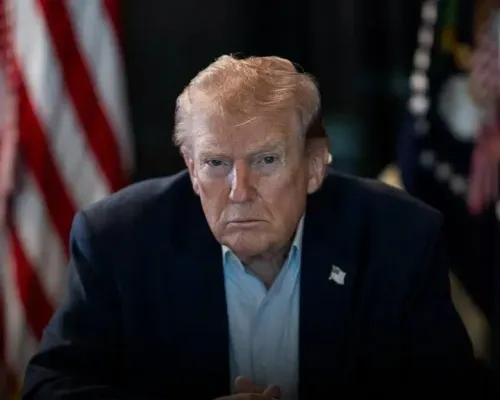
He added: 'There may come a point when we are no longer able to be reasonable, and will be forced to militarily complete the job that we very successfully started. If that happens, the Islamic Republic of Iran will no longer exist!'
Escalation Despite Ceasefire
The latest strikes mark a sharp escalation despite a ceasefire agreement announced earlier in the week, following days of direct military confrontation between the United States and Iran. Washington has repeatedly accused Tehran of targeting commercial shipping in and around the Strait of Hormuz — a critical chokepoint through which a significant share of the world's seaborne oil supply passes.
Notably, this is the second consecutive day of US strikes on Iranian targets, raising questions about the durability of any negotiated pause. The pattern — ceasefire announced, ceasefire breached, strikes resumed — signals that the underlying military standoff remains unresolved.
Shipping and Regional Impact
CENTCOM asserted that 'commercial vessel transits through the Strait of Hormuz continue,' and that 'US forces remain vigilant, lethal, and ready.' However, the repeated targeting of tankers in one of the world's most strategically sensitive waterways is likely to heighten insurance premiums and freight costs for crude shipments, with implications for global oil markets.
With both sides showing no sign of stepping back, the coming hours will be critical in determining whether the ceasefire can be salvaged or whether the confrontation deepens further.
Point of View
And it raises the stakes for any diplomatic off-ramp. The Strait of Hormuz, through which roughly a fifth of global oil supply transits, is the pressure point: every tanker hit is also an oil-price event and a test of US deterrence credibility. What mainstream coverage underweights is the compounding effect — each strike-and-retaliation cycle degrades the infrastructure for de-escalation and makes the next incident harder to contain.
NationPress
28 Jun 2026
Frequently Asked Questions
Why did the US launch fresh air strikes on Iran on 28 June?
The US struck Iranian military targets after an Iranian one-way attack drone hit the Panama-flagged tanker M/T Kiku near the Strait of Hormuz at 4:30 a.m. ET on 28 June. CENTCOM said the strikes were ordered by President Trump in direct response to continued Iranian aggression against commercial shipping, following a ceasefire Iran had allegedly violated.
What is the M/T Kiku and why was it targeted?
M/T Kiku is a Panama-flagged commercial oil tanker that was transiting near the Strait of Hormuz carrying more than two million barrels of crude oil when it was struck by an Iranian attack drone. It is the second commercial vessel targeted by Iran in as many days, following the earlier attack on M/V Ever Lovely.
What did Trump say about Iran in his Truth Social post?
Trump wrote that US aircraft had struck Iranian missile and drone storage locations and coastal radar sites for 'violating the Cease Fire Agreement, AGAIN.' He warned that if attacks persist, the US may be 'forced to militarily complete the job' and that 'the Islamic Republic of Iran will no longer exist.'
What Iranian targets did the US military hit?
According to CENTCOM, US military aircraft targeted Iranian military surveillance infrastructure, communication systems, air defence sites, drone storage facilities, and minelayer capabilities, in addition to missile and drone storage locations and coastal radar sites cited by President Trump.
Is the Strait of Hormuz still open to commercial shipping?
CENTCOM stated that commercial vessel transits through the Strait of Hormuz are continuing and that US forces 'remain vigilant, lethal, and ready.' However, the repeated targeting of tankers in the area is expected to raise insurance premiums and freight costs for crude shipments.