Trump weighs Iran escalation vs economic pressure after Hormuz claim
Synopsis
Trump stood on the White House lawn and laid bare a stark strategic fork: finish Iran militarily or let economic strangulation do the work. His claim that the US now controls oil flow through the Strait of Hormuz — while blocking Iran — raises the stakes for global energy markets and signals Washington is in no rush to negotiate its way out.
Key Takeaways
President Donald Trump on 23 October 2026 said the US could bring its Iran conflict to a swift end but was weighing further military action against sustained economic pressure.
Trump claimed the US Navy has effectively controlled oil movements through the Strait of Hormuz , restricting Iran's access while keeping commercial shipments flowing.
He stated oil shipments through the strait last week were higher than at any point 'even before the war.' Trump described Iran as a 'failing nation' burdened by inflation and a lack of funds due to the ongoing US pressure campaign.
The President left open whether further military escalation or diplomatic negotiations were being actively pursued.
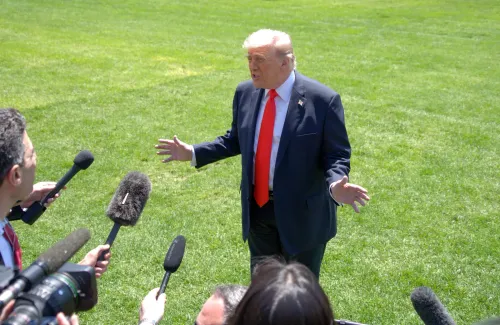
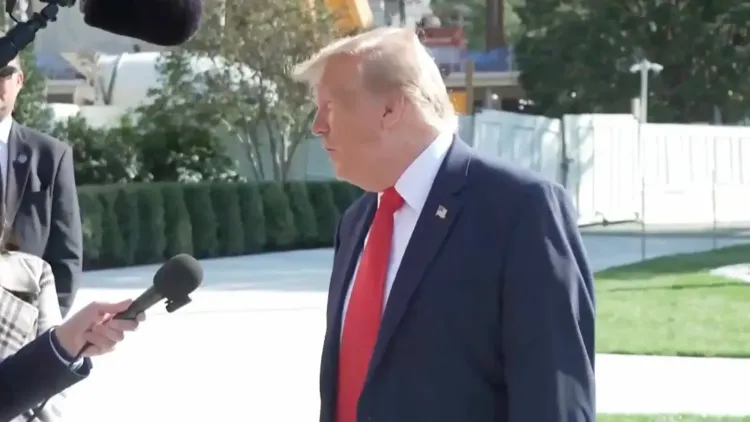
US President Donald Trump on Friday, 23 October 2026 said Washington could bring its conflict with Iran to a swift conclusion, but was still deciding whether to intensify military action or allow mounting economic pressure to further erode Tehran's position. Trump made the remarks to reporters on the White House South Lawn before departing for a campaign rally in Florida.
The Strait of Hormuz at the Centre
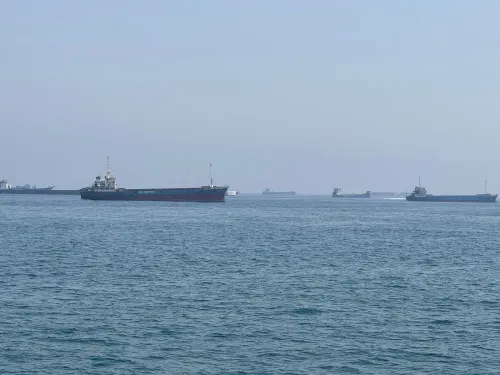
Trump placed particular emphasis on the Strait of Hormuz, one of the world's most critical maritime chokepoints for global energy supplies. He claimed that US naval operations had secured effective control over commercial oil movements through the strait while restricting Iran's access to the waterway.
'We're taking all the oil out that we want,' Trump said. Referring to the US Navy's role, he added: 'We have it blocked up for them, but nobody else.' He further claimed that oil shipments through the strait had actually increased during the confrontation — 'last week we took more oil out than we have ever taken it out, even before the war,' he said.
Key Strategic Dilemma
Trump framed the situation as a deliberate strategic choice rather than an unresolved crisis. 'We can end it very quickly, but Iran is a failing nation,' he said. The core question, as Trump posed it, was whether further military action was necessary when existing pressure was reportedly already delivering results. 'The question is, do we want to finish it off, or do we just want to let it wither? Because we're getting everything we want,' he said.
He argued that the American military campaign had left Iran economically weakened and that Washington was now positioned to determine the next phase of the confrontation. Notably, Trump did not clarify what additional military action he might authorise, nor did he indicate whether any diplomatic negotiations with Tehran were under consideration.
Iran's Economic Pressure
Trump maintained that the sustained campaign was visibly taking a toll on Iran's domestic economy. 'So we have that, and they have inflation, they have no money,' he said. The President presented the situation as one in which the United States could comfortably maintain its existing posture or, if it chose, escalate decisively.
This comes amid broader US foreign policy activity, with Trump's remarks covering trade negotiations and domestic political developments ahead of the US midterm elections in the same White House exchange with reporters.
What Comes Next
The President left the strategic options explicitly open-ended. Analysts will be watching for any signal from the Pentagon or the State Department on whether the administration is leaning toward a negotiated off-ramp or a further tightening of the military and economic vice around Tehran. With midterm elections on the horizon, the framing of Iran as a 'failing nation' under US pressure carries clear domestic political resonance as well.
Point of View
Washington keeps Tehran off-balance while giving itself maximum domestic flexibility ahead of midterms. The Strait of Hormuz claim is the most consequential detail: if true in the way Trump described, it represents a significant shift in the global energy security calculus that markets and rival powers will scramble to assess. What is missing entirely is any mention of a diplomatic channel — suggesting the administration is either not pursuing one or has chosen not to signal one publicly. In a conflict of this magnitude, that silence carries its own message.
NationPress
23 Oct 2026
Frequently Asked Questions
What did Trump say about the US conflict with Iran on 23 October 2026?
Trump said the US could end its conflict with Iran 'very quickly' but was weighing whether to intensify military action or allow economic pressure to further weaken Tehran. He described Iran as a 'failing nation' already burdened by US-imposed constraints.
What did Trump claim about the Strait of Hormuz?
Trump claimed US naval operations had secured effective control over oil movements through the Strait of Hormuz, allowing commercial shipments to continue while restricting Iran's access. He said oil taken through the strait last week exceeded pre-conflict levels.
Is the US considering negotiations with Iran?
Trump did not mention any diplomatic negotiations with Tehran in his remarks. He left the strategic options open-ended, saying only that Washington could 'finish it off' or 'let it wither,' without clarifying which course he was leaning toward.
Why does the Strait of Hormuz matter in the US-Iran conflict?
The Strait of Hormuz is one of the world's most critical maritime chokepoints, through which a significant share of global oil supplies transits. Control over or disruption of the strait has major implications for international energy markets and global economic stability.
What is the broader context of Trump's Iran remarks?
The remarks were made during a wide-ranging press exchange on the White House South Lawn on 23 October 2026, ahead of a campaign rally in Florida and with US midterm elections approaching. Trump also addressed trade negotiations and domestic political developments in the same session.