Trump, Xi, Putin hold first-ever trilateral summit in Shenzhen on nuclear arms
Synopsis
For the first time in history, the leaders of the United States, China, and Russia sat down together in one room — and the centrepiece was nuclear weapons. Trump's call for the three largest nuclear powers to jointly reduce their arsenals is an extraordinary diplomatic opening, even if the gap between his disarmament pitch, Xi's stability framing, and Putin's pivot to energy security signals a long road to any binding outcome.
Key Takeaways
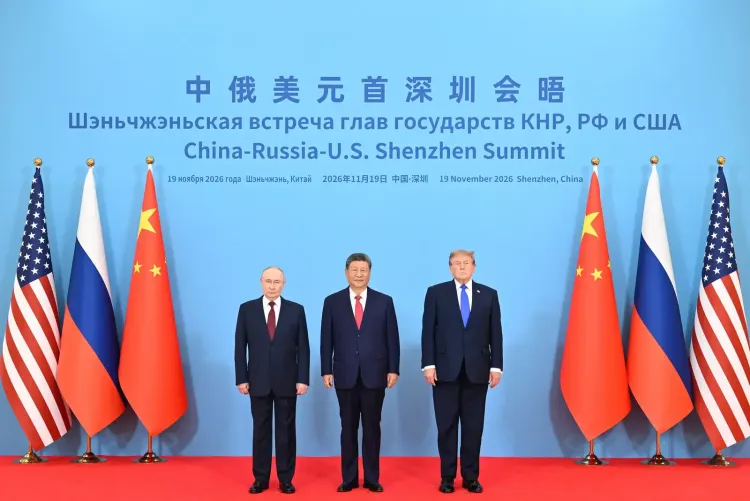
Trump, Xi, and Putin held the world's first-ever US-China-Russia trilateral summit on 19 November in Shenzhen , on the sidelines of APEC 2026 .
Trump called for the three nations — the world's largest nuclear powers — to cooperate on reducing nuclear weapons and preventing proliferation.
Xi Jinping stressed that cooperation, not confrontation, was key to global stability, while Putin pushed for discussions on energy security and global economic ties.
Trump held separate bilateral meetings with both Putin and Xi , raising Ukraine, the Strait of Hormuz , and Iran's nuclear ambitions .
No joint statement had been confirmed; each country may separately characterise the summit's outcome if consensus is not reached.
Speculation persists over a possible Trump-Kim Jong-un meeting during Trump's Asia trip, with Secretary of State Marco Rubio confirming Trump is serious about engaging North Korea.
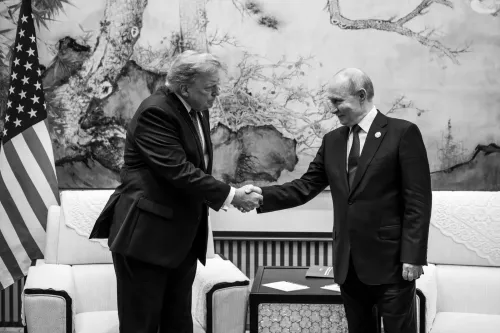
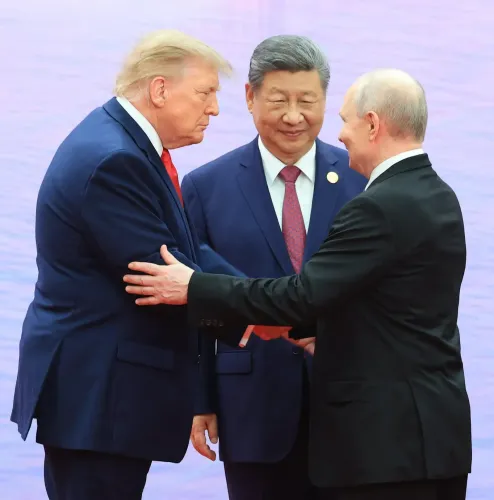
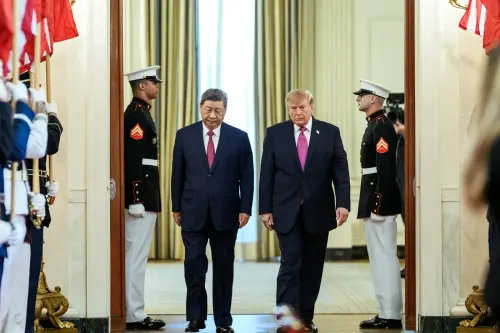
US President Donald Trump, Chinese President Xi Jinping, and Russian President Vladimir Putin convened for a historic first-ever trilateral summit on 19 November in Shenzhen, China, with nuclear arms reduction and global security topping the agenda. The meeting, held on the sidelines of the Asia-Pacific Economic Cooperation (APEC) summit at the Kylin Villa, marks the first time the leaders of the world's three largest nuclear powers have gathered in a single formal setting.
Trump's Opening Call for Nuclear Cooperation
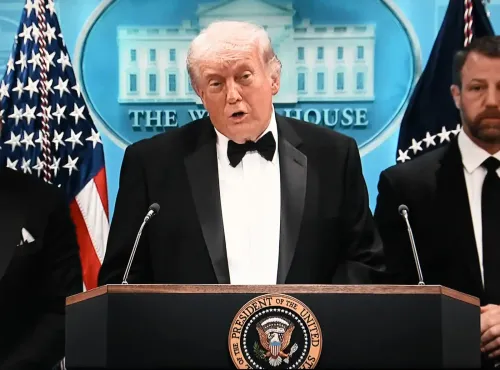
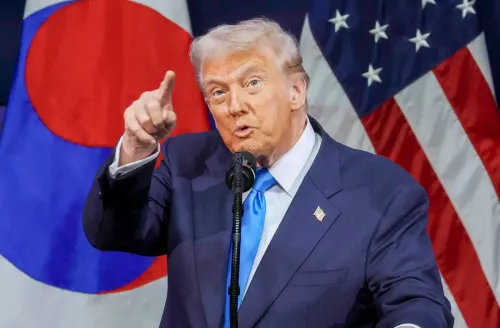
In his opening remarks, Trump underscored the shared responsibility of the three nations on matters of global consequence. 'As presidents of three of the world's largest countries, we have a special responsibility to maintain open, respectful and productive dialogue on issues impacting not just our people but the entire planet,' he said.
Trump went further on disarmament, stressing the unique position the three nuclear powers occupy. 'As the world's three largest nuclear powers by far, the United States, Russia and China are uniquely positioned to discuss how to reduce the number of nuclear weapons on Earth, and also to lessen the risk that those weapons will ever be used,' he said. He acknowledged the political difficulty of disarmament, noting, 'It's very hard to give them up as a leader of a country.'
Xi and Putin's Priorities at the Table
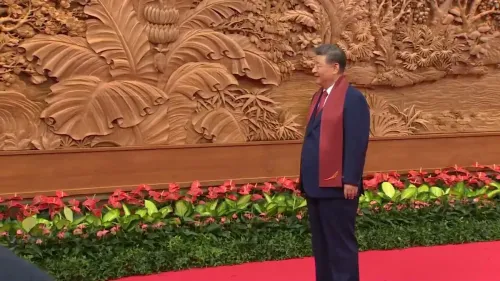
Xi Jinping emphasised that cooperation among major powers was essential for global stability, warning that confrontation risked plunging the world into chaos, according to China's official Xinhua News Agency. 'History is the best textbook,' Xi told his counterparts. 'We must remember history, and learn from it to shape the future.'
Putin, for his part, proposed broadening the conversation to include global and regional economic ties and energy security, according to Russia's Tass news agency. 'We should certainly discuss global and regional economic ties, and food and energy security,' he was quoted as saying. The divergence in stated priorities — Trump on nuclear weapons, Putin on economics and energy — signals that bridging the three powers' agendas will not be straightforward.
Bilateral Meetings and Key Side Talks
Ahead of the three-way session, Trump held separate bilateral meetings with both Putin and Xi. During his meeting with Putin, Trump expressed optimism about the relationship. 'We've had a great relationship for many years. We know each other for a long time, and I think a lot of wonderful things can come out of this, or at least start,' he said.
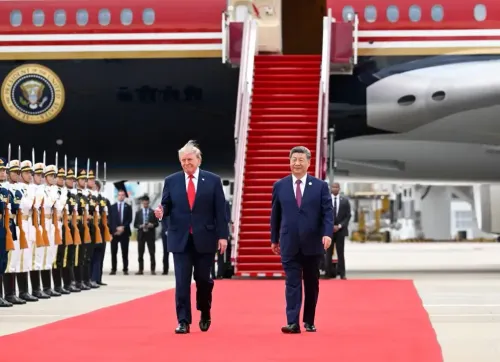
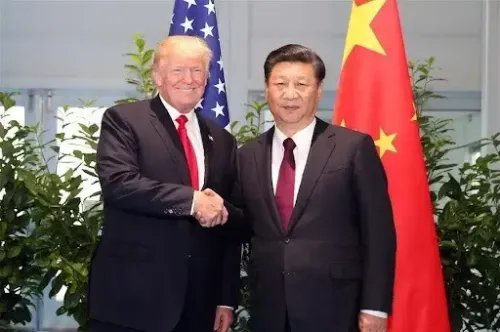
In his meeting with Xi — their first in two months following talks in Washington in September — Trump flagged shared US-China interests in keeping energy flowing through the Strait of Hormuz and in preventing Iran from acquiring a nuclear weapon. Trump also expressed optimism about cooperation with China on the Russia-Ukraine war: 'We're looking to both help with respect to the war with Russia and Ukraine.'
North Korea and a Possible Trump-Kim Meeting
North Korea's nuclear programme was not expected to be a standalone agenda item, though analysts said it could surface in broader security discussions. Sydney Seiler, a former US intelligence official, said ahead of the summit: 'I do not think North Korea's nuclear program will be a major topic on its own, although it may be addressed within the broader discussion of global security issues.'
Separately, speculation has intensified over a possible meeting between Trump and North Korean leader Kim Jong-un during Trump's current Asia trip, which included a stop in Manila for the Association of Southeast Asian Nations (ASEAN) summit. Trump raised the possibility publicly, saying Kim 'would like to' attend APEC, while US Secretary of State Marco Rubio confirmed Trump was serious about engaging Kim — though no meeting had been confirmed as of Wednesday. The White House and State Department have not responded to queries on whether a Trump-Kim meeting was scheduled.
What Comes Next
It remained unclear after the session whether the three sides would issue a joint statement. Officials indicated that if consensus proved elusive, each country could separately characterise the outcome of the talks — a sign that the summit was more about opening a channel than closing a deal. Notably, this comes amid an already volatile global security environment marked by the ongoing war in Ukraine, tensions in the Middle East, and a prolonged nuclear standoff with Iran. How much concrete progress the three leaders extract from this unprecedented format will be closely watched by governments and analysts worldwide.
Point of View
China, and Russia is diplomatically unprecedented, but the gap in stated priorities — Trump on nuclear cuts, Putin on energy, Xi on broad stability — reveals how far apart the three powers remain beneath the optics of a shared table. Trump's framing of nuclear reduction as a collective superpower responsibility is strategically significant, yet the absence of any confirmed joint statement suggests Shenzhen may be remembered more as a photo opportunity than a turning point. For India, watching from the sidelines, the summit's real significance lies in what it signals about the future of multilateral security architecture — particularly whether a US-China-Russia channel crowds out or complements forums like the Quad and SCO. The Trump-Kim subplot adds further unpredictability to a week already dense with consequential diplomacy.
NationPress
19 Nov 2026
Frequently Asked Questions
What happened at the Trump-Xi-Putin trilateral summit in Shenzhen?
On 19 November, US President Donald Trump, Chinese President Xi Jinping, and Russian President Vladimir Putin held the first-ever trilateral summit among the three powers in Shenzhen, on the sidelines of the APEC summit. The meeting focused on nuclear arms reduction, global security, and energy issues, though no joint statement was confirmed.
What did Trump say about nuclear weapons at the summit?
Trump said the three countries, as the world's largest nuclear powers, are 'uniquely positioned' to discuss reducing the number of nuclear weapons on Earth and lessening the risk of their use. He acknowledged that disarmament is politically difficult for any leader, but called for open and productive dialogue.
What were Xi Jinping's and Vladimir Putin's priorities at the meeting?
Xi emphasised that cooperation among major powers contributes to global stability while confrontation risks chaos, drawing on history as a guide. Putin proposed broadening the agenda to include global and regional economic ties, as well as food and energy security, according to Russia's Tass news agency.
Is a Trump-Kim Jong-un meeting expected during Trump's Asia trip?
No meeting has been confirmed. Trump raised the possibility of meeting North Korean leader Kim Jong-un during his Asia trip, and Secretary of State Marco Rubio confirmed Trump is serious about engaging Kim — but as of Wednesday, neither the White House nor the State Department had confirmed a scheduled meeting.
Will there be a joint statement from the US, China, and Russia after the summit?
It remained unclear whether the three sides would issue a joint statement. If consensus is not reached, each country is expected to separately characterise the outcome of the talks, suggesting the summit was primarily aimed at opening a diplomatic channel rather than producing binding agreements.