Drone attack targets two fishing boats off Iran's southern coast, fishermen missing
Synopsis
A drone strike on two fishing boats near Iran's southern coast, a super tanker engulfed after hitting naval mines in the Strait of Hormuz, and a sweeping insurance warning against 'violating' ships — Iran's actions on Monday night signal a sharp escalation of its maritime assertiveness in one of the world's most strategically vital waterways.
Key Takeaways
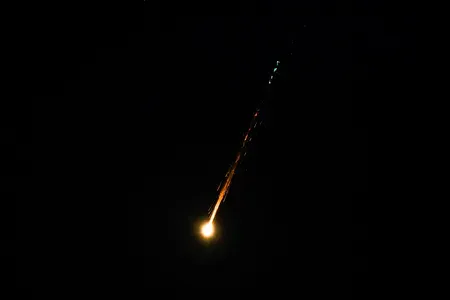
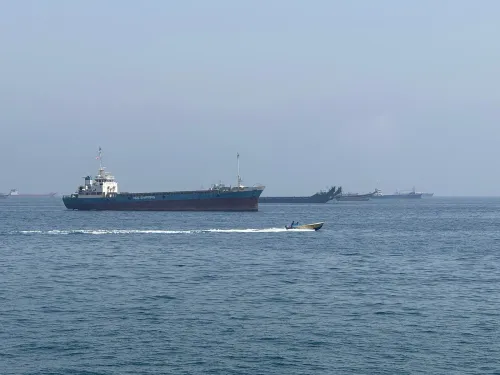
Two fishing boats were hit in a drone attack off Kargan and near Larak Island , Hormozgan province , on Monday night , with fishermen reported missing.
Search and rescue operations are underway; Ahmad Nafisi , Hormozgan's deputy governor, confirmed the incident and said further details are pending investigation.
The IRGC navy reported that super oil tanker 'EL GAIA' struck naval mines in the Strait of Hormuz on an alleged 'forbidden' route and was engulfed in flames.
Iran's Persian Gulf Strait Authority (PGSA) warned insurers, P&I clubs, and classification societies against servicing vessels on its 'violating' ships list.
The strait, which handles roughly 20% of global oil trade, is declared 'closed and under control' by Iranian naval forces.
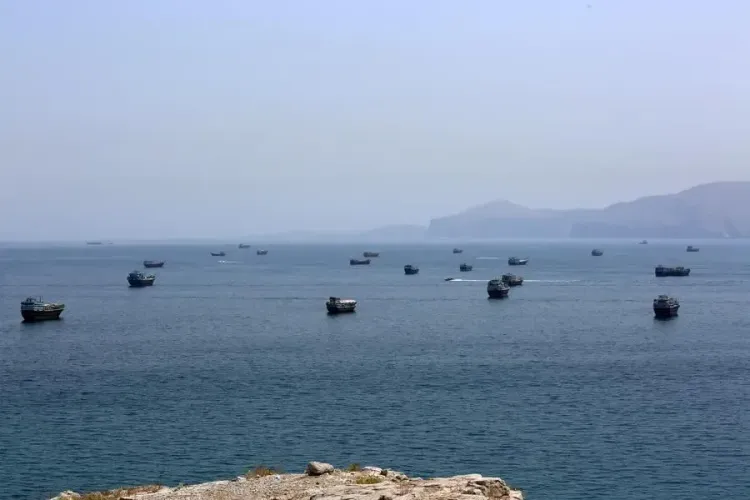
Two fishing boats were struck in a drone attack off Iran's southern coast on Monday night, leaving an unspecified number of fishermen missing, according to the semi-official Mehr news agency. The incident adds to a rapidly escalating series of maritime security events in and around the Strait of Hormuz, one of the world's most critical oil transit chokepoints.
Where the Attack Occurred
The drone strike took place off the coast of Kargan, a southern port city, and near Larak Island in Hormozgan province, according to Ahmad Nafisi, the province's deputy governor for political and security affairs, as cited by Mehr. Nafisi confirmed that search and rescue operations have been launched to locate the missing fishermen, and said further details would be released following an investigation.
Oil Tanker Fire in the Strait of Hormuz
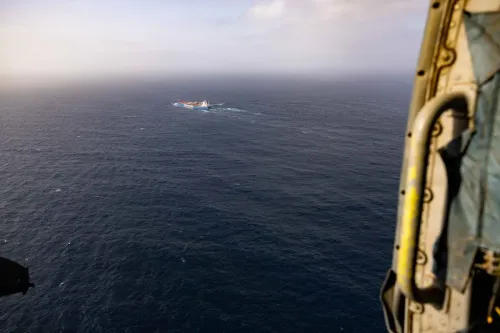
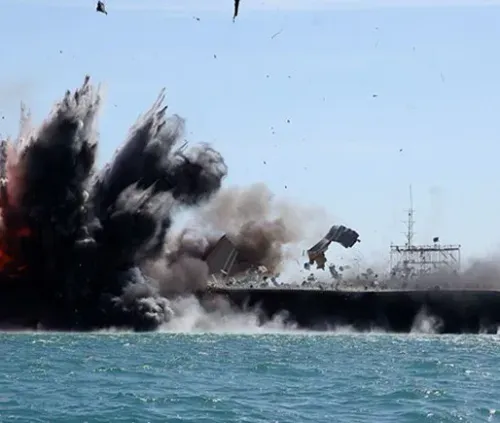
Separately, the navy of Iran's Islamic Revolutionary Guard Corps (IRGC) reported that a super oil tanker attempting to cross the Strait of Hormuz via what it described as a 'forbidden' southern route struck naval mines, triggering an explosion and fire. According to a statement on the IRGC's official outlet, Sepah News, attempts to contain the blaze on the tanker — identified as 'EL GAIA' — proved futile, and the vessel was reportedly engulfed in flames entirely. The IRGC navy stressed that warnings had previously been issued about the risks of using what it termed the 'illegal' route, and reiterated that the strait remains 'closed and under the control of Iran's naval forces.'
Iran Warns Insurers Over 'Violating' Vessels
Iran's Persian Gulf Strait Authority (PGSA), the body overseeing maritime traffic in the Strait of Hormuz, issued a warning to insurance companies and classification societies, directing them to stop servicing vessels on its updated list of 'violating' ships. In a post on social media platform X, the PGSA stated that insurance companies, protection and indemnity insurance (P&I) clubs, and classification societies 'are warned to refrain from providing services to these vessels to avoid consequences arising from dealing with them.' The warning is likely to raise operational risks for international shipping firms transiting the strait.
Broader Context and Regional Implications
The Strait of Hormuz handles approximately 20% of global oil trade, making any disruption to navigation a matter of international economic concern. The cluster of incidents — the drone strike on fishing boats, the tanker fire on naval mines, and the insurance warning — signals a deliberate Iranian assertion of maritime control. This comes amid persistent regional tensions and earlier episodes of vessel seizures in the Persian Gulf. Analysts note that targeting insurance and classification societies is a calculated pressure tool, as it can effectively strand vessels by making them commercially uninsurable.
Point of View
The tanker-mine incident, and the insurance warning are not isolated events — they form a coordinated pressure campaign by Iran to assert dominance over Strait of Hormuz transit. Targeting insurers is particularly significant: it exploits the commercial architecture of global shipping, potentially stranding vessels without a single naval shot. What remains unattributed is who launched the drone attack on the fishing boats — Iran has not publicly blamed a party, and the ambiguity itself serves as a narrative tool. With roughly a fifth of global oil trade flowing through this waterway, the cost of miscalculation is priced in barrels, not just diplomacy.
NationPress
15 Sept 2026
Frequently Asked Questions
What happened in the drone attack off Iran's southern coast?
Two fishing boats were struck in a drone attack off the coast of Kargan and near Larak Island in Hormozgan province on Monday night, leaving a number of fishermen missing, according to Mehr news agency. Search and rescue operations have been launched and an investigation is underway.
What is the 'EL GAIA' tanker incident in the Strait of Hormuz?
The IRGC navy reported that a super oil tanker identified as 'EL GAIA' hit naval mines after travelling via a route Iran described as 'forbidden' through the Strait of Hormuz. The vessel caught fire and was reportedly fully engulfed in flames after efforts to control the blaze failed.
Why is the Strait of Hormuz so strategically important?
The Strait of Hormuz is the world's most critical oil transit chokepoint, with approximately 20% of global oil trade passing through it. Any disruption to navigation there has immediate implications for energy markets and international shipping.
What did Iran's PGSA warn about insurance companies?
Iran's Persian Gulf Strait Authority warned insurance firms, P&I clubs, and classification societies to stop providing services to vessels on its updated list of 'violating' ships, citing consequences for those who continue to do so. The warning was posted on social media platform X.
Who is responsible for the drone attack on the fishing boats?
No party has been officially named as responsible for the drone strike on the two fishing boats as of the latest reports. Iranian officials have said further details will be released after investigation, and no group has claimed responsibility.