UN experts condemn Pakistan's use of terror laws against rights lawyers
Synopsis
UN human rights experts have called out Pakistan for weaponising counter-terrorism statutes against lawyers Imaan Mazari-Hazir and Hadi Ali Chattha — re-arresting them hours after the Supreme Court granted bail. With 15 international civil society groups also sounding the alarm, the case is becoming a flashpoint for how Pakistan's security laws are being used to silence legal advocacy and free expression.
Key Takeaways
UN experts on 2 October 2026 condemned Pakistan's use of 'vague and overbroad' counter-terrorism provisions against lawyers Imaan Mazari-Hazir and Hadi Ali Chattha .
The couple were re-arrested shortly after Pakistan's Supreme Court granted them bail on 17 September 2026 in a social media posts case.
An Islamabad anti-terrorism court rejected a police request for a 30-day interrogation remand, ordering a 14-day judicial remand instead.
On 22 September 2026 , bail petitions were returned by the court for lacking signed powers of attorney.
A coalition of 15 international civil society organisations , including FIDH and OMCT , has separately demanded the couple's release and urged disclosure of the legal basis for their re-arrest.
UN experts have urged Pakistan to guarantee the couple access to legal counsel, family, and medical care.
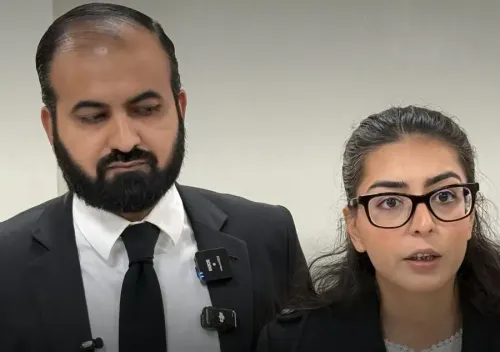
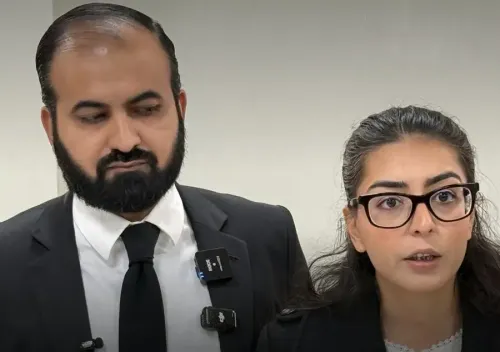
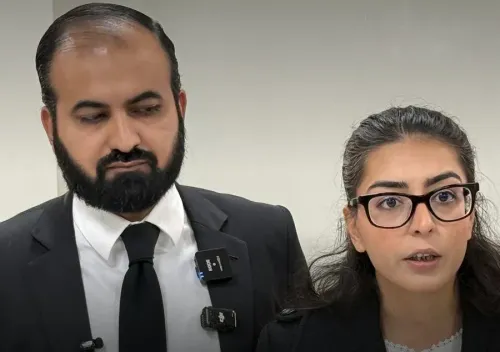
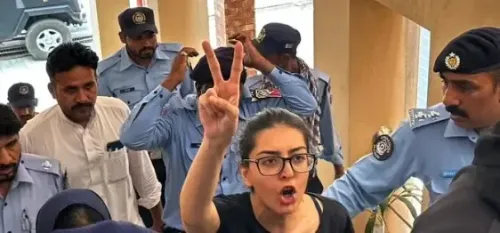
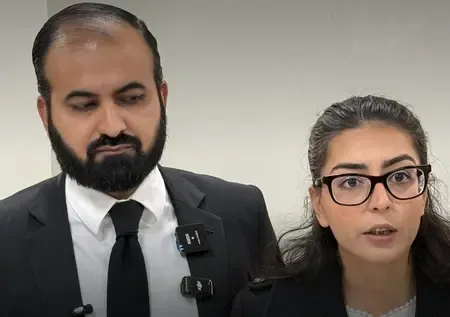
United Nations human rights experts on 2 October 2026 strongly condemned Pakistan's reliance on what they described as 'vague and overbroad counter-terrorism' provisions against human rights lawyers Imaan Mazari-Hazir and her husband Hadi Ali Chattha, calling on Islamabad to immediately release the couple and drop all 'unfounded' criminal and terrorism charges against them.
The UN experts' rebuke follows the re-arrest of both lawyers shortly after a division bench of Pakistan's Supreme Court granted them bail and suspended their sentences on 17 September 2026 in a case relating to social media posts.
Background: A Pattern of Successive Proceedings
The experts noted they had previously raised alarm over the conviction of Mazari-Hazir and Chattha for social media posts in which the couple had supported local activists and criticised the military. According to the experts, proceedings against the pair have been tracked since January 2026, with each successive action appearing designed to punish and intimidate them.
'Invoking an older case immediately after they were granted bail appears to be an attempt to use the criminal justice system as punishment for freedom of expression and human rights advocacy. We have followed successive proceedings against Mazari-Hazir and Chattha since January, also seemingly intended to punish and intimidate these lawyers, while sending a chilling message to the profession in general,' the experts warned.
Court Proceedings After Re-Arrest
Following their re-arrest, an Islamabad anti-terrorism court rejected a police request to hold and interrogate the couple for 30 days, instead ordering a 14-day judicial remand. On 22 September 2026, the same anti-terrorism court returned the couple's bail petitions on the technical ground that they lacked signed powers of attorney, according to the UN experts' account.
International Pressure Mounts
The UN experts' condemnation is not an isolated voice. Earlier this week, a coalition of 15 international civil society organisations — including the International Federation for Human Rights (FIDH) and the World Organisation Against Torture (OMCT) — voiced grave concern over the continued arbitrary detention of the couple since January 2026, despite the Supreme Court's bail order.
The joint civil society statement called on Pakistan to 'drop all charges based on the legitimate exercise of freedom of expression, peaceful assembly, human rights advocacy, and the lawful performance of their professional duties as lawyers,' and to disclose the factual and legal basis for their re-arrest.
What International Standards Require
The UN experts underscored that international standards oblige governments to protect lawyers from intimidation, harassment, and improper interference, as well as from prosecution for carrying out recognised professional duties. Those standards, they noted, also extend to protecting lawyers' freedom of expression.
'Pakistan should drop all charges based on the exercise of freedom of expression by legal practitioners or their legitimate legal work, and order the couple's immediate release. They should already have adequate access to counsel of their choice, to their family, and to adequate and necessary medical care,' they said.
What Happens Next
Critics argue the repeated invocation of anti-terrorism statutes against Mazari-Hazir and Chattha reflects a broader pattern of using security legislation to suppress dissent and deter legal advocacy in Pakistan. Pressure from international human rights bodies is expected to intensify, though Islamabad has yet to formally respond to the UN experts' latest statement. The couple's legal team is reportedly pursuing fresh bail applications, and the case is being closely watched by international bar associations and civil liberties groups.
Point of View
Designed for genuine security threats, can be repurposed as instruments of political suppression. Pakistan's pattern of re-arresting the couple each time a court grants relief signals a deliberate strategy to exhaust legal remedies rather than to prosecute a genuine criminal case. What is particularly notable — and largely absent from mainstream coverage — is the chilling effect this sends to the broader legal profession: defend the wrong clients and the law becomes your adversary. International condemnation alone has historically had limited traction with Islamabad; the question is whether sustained multilateral pressure, now backed by 15 civil society groups and UN mandate-holders simultaneously, will change the political calculus.
NationPress
2 Oct 2026
Frequently Asked Questions
Why have UN experts condemned Pakistan over the arrest of Imaan Mazari-Hazir and Hadi Ali Chattha?
UN experts condemned Pakistan for re-arresting human rights lawyers Imaan Mazari-Hazir and Hadi Ali Chattha using counter-terrorism provisions shortly after the Supreme Court granted them bail on 17 September 2026. The experts described the charges as 'unfounded' and said the repeated proceedings appear designed to punish the couple for free expression and human rights advocacy.
Who are Imaan Mazari-Hazir and Hadi Ali Chattha?
Imaan Mazari-Hazir and Hadi Ali Chattha are Pakistani human rights lawyers and a married couple who were convicted in connection with social media posts supporting local activists and criticising the military. Their case has been tracked by UN experts since January 2026.
What happened after Pakistan's Supreme Court granted the lawyers bail?
The couple were re-arrested shortly after the Supreme Court's division bench suspended their sentences and granted bail on 17 September 2026. An Islamabad anti-terrorism court then placed them on a 14-day judicial remand, and on 22 September 2026 returned their bail petitions for lacking signed powers of attorney.
What are international organisations demanding from Pakistan?
Both UN human rights experts and a coalition of 15 international civil society groups, including the FIDH and OMCT, are calling on Pakistan to drop all charges linked to free expression and legal advocacy, disclose the legal basis for the re-arrest, and immediately release the couple with access to legal counsel, family, and medical care.
What do international standards say about the treatment of lawyers?
International standards require governments to protect lawyers from intimidation, harassment, and improper interference, and prohibit prosecution of lawyers for carrying out recognised professional duties. These standards also protect lawyers' freedom of expression, according to the UN experts' statement.