UN SDG Report 2026: Only 36% of targets on track with 4 years left
Synopsis
With four years left, the UN's own scorecard on the 2030 Agenda is damning: only 36% of SDG targets are on track, 15% have gone backwards, and the financing crisis is deepening. The gains — a billion people with clean water, HIV deaths down 35% — are real, but climate disasters have more than doubled and maternal mortality remains nearly three times the target. The window is closing fast.
Key Takeaways
Only 36 per cent of assessable SDG targets are on track with four years to the 2030 deadline , per the UN SDG Report 2026 .
15 per cent of targets have regressed since 2015; nearly half are stalling.
Nearly 1 billion people gained access to safely managed drinking water; HIV infections fell 30 per cent between 2015 and 2024 .
2.3 billion people face food insecurity; more than 150 million children remain stunted; maternal mortality is nearly 3x the global target.
Climate-related disasters have affected more than double the number of people compared to 2015 levels.
UN Deputy Secretary-General Amina Mohammed called for gender equality, renewable energy transition, and peace investment as the three priority commitments.
With just four years remaining before the 2030 deadline, only 36 per cent of assessable targets under the Sustainable Development Goals (SDGs) are on track, nearly half have stalled, and 15 per cent have outright regressed, according to The Sustainable Development Goals Report 2026 released by the United Nations on 8 July 2026. The findings paint a sobering picture of a global development agenda that has delivered measurable gains in some areas while falling critically short in others.
Where Progress Has Been Made
The report acknowledges that sustained investment, sound policies, and international cooperation since the 2030 Agenda was adopted in 2015 have improved lives across the world. Nearly 1 billion people gained access to safely managed drinking water, and 1.2 billion to safely managed sanitation over the same period.
New HIV infections dropped by 30 per cent between 2015 and 2024, while AIDS-related deaths fell by 35 per cent. Electricity now reaches 92 per cent of the global population, and internet access has surged from 40 per cent to 74 per cent. For the first time in history, social protection covers more than half the world's population.
The Persistent Shortfalls
Despite these gains, the report flags alarming gaps that threaten to define the agenda's ultimate legacy. One in 10 people still lives in extreme poverty. Around 2.3 billion people face moderate or severe food insecurity. More than 150 million children remain stunted. Maternal mortality stands at nearly three times the global target set for 2030.
Perhaps most starkly, the number of people affected by climate-related disasters has more than doubled since 2015. Escalating conflicts, slowing economic growth, rising debt burdens, and a record decline in official development assistance are compounding the shortfall — and disproportionately affecting the world's most vulnerable populations.
What UN Leaders Said
UN Secretary-General António Guterres struck a cautiously optimistic note in the report. 'Guided by the data in this report, our vision of the 2030 Agenda remains within reach,' he said. 'Together, let us make a decisive final push to achieve the Sustainable Development Goals and build a healthy, prosperous future for all.'
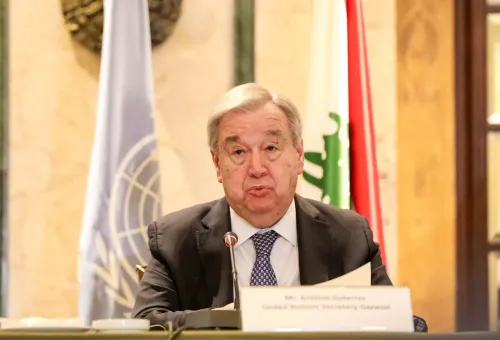
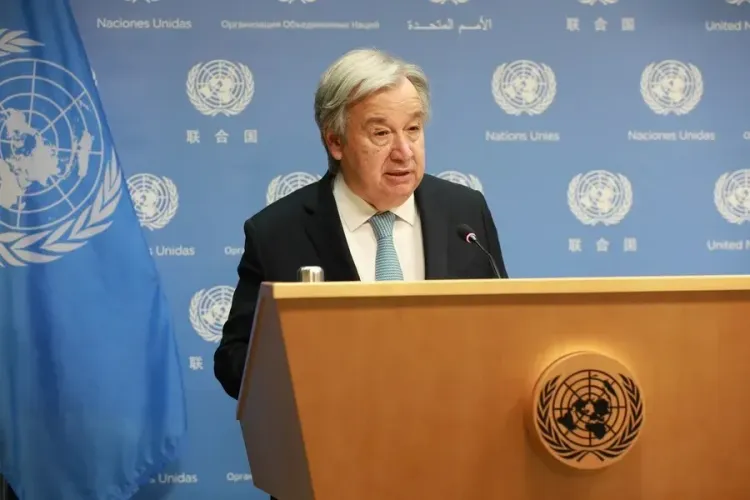
UN Deputy Secretary-General Amina Mohammed, speaking at the press conference marking the report's release, said the SDGs are fundamentally sound. 'Where they have been backed by political will and resources, they do deliver,' she said, while warning of a 'deepening crisis in the means of implementation.' She called for three specific commitments: advancing gender equality as an enabler of every goal, accelerating the transition to renewable energy, and prioritising peace over escalating military spending.
'None of today's defining challenges can be solved by countries acting alone,' Mohammed said. 'The evidence presented in this report makes one thing unmistakably clear: the Sustainable Development Goals remain achievable if we choose to act together with greater urgency, scale, solidarity and resolve. But that choice must be made now.'
The Case for Collective Action
UN Under-Secretary-General for Economic and Social Affairs Li Junhua pointed to recent milestones — including the legal protection of the high seas and a surge in renewable electricity-generating capacity in developing nations — as proof that 'ambitious, coordinated action delivers.' He cautioned, however, that the next four years would be a critical test. 'The choices we make now regarding financing, global cooperation and collective crisis management will echo for generations,' Li said.
What Comes Next
The report arrives ahead of the UN General Assembly's high-level political forum on sustainable development, where member states are expected to face pressure to recommit to the 2030 Agenda with credible financing pledges. With the window narrowing rapidly, observers note that the gap between stated ambition and actual delivery has never been more consequential.
Point of View
Internet penetration) are largely the ones that align with private-sector incentives, while the ones stalling (maternal health, hunger, climate resilience) require exactly the public financing and political will that is now in retreat. The record decline in official development assistance is not a footnote — it is the central crisis. UN leaders are right that the goals remain achievable in theory; what the report cannot say plainly is that the political economy of 2026 is actively working against them.
NationPress
8 Jul 2026
Frequently Asked Questions
What does the UN SDG Report 2026 say about global progress?
The report finds that only 36 per cent of assessable SDG targets are on track, with nearly half stalling and 15 per cent having regressed since 2015. It was released on 8 July 2026, with four years remaining before the 2030 deadline.
Which areas have seen the most improvement under the SDGs?
Notable gains include nearly 1 billion people gaining access to safely managed drinking water, a 30 per cent drop in new HIV infections between 2015 and 2024, and internet access rising from 40 per cent to 74 per cent of the global population. Electricity now reaches 92 per cent of the world.
What are the biggest failures highlighted in the SDG Report 2026?
One in 10 people still lives in extreme poverty, 2.3 billion face food insecurity, and maternal mortality remains nearly three times the 2030 target. The number of people affected by climate-related disasters has more than doubled since 2015.
What did UN leaders call for in response to the report?
UN Deputy Secretary-General Amina Mohammed called for three commitments: advancing gender equality, accelerating the renewable energy transition, and prioritising peace over military spending. Secretary-General António Guterres urged a 'decisive final push' to keep the 2030 Agenda within reach.
Why is progress on the SDGs falling short?
The report cites escalating conflicts, climate change, slowing economic growth, rising debt, and a record decline in official development assistance as key factors compounding the shortfall. These pressures disproportionately affect the world's most vulnerable populations.