UNGA 2026: Nations demand full rights for migrant workers, seafarers
Synopsis
At UNGA 2026, countries from the Philippines to India to Tunisia agreed on one thing: migrant workers are not a border problem but an economic backbone — and their rights are being systematically ignored. With over 90% of world trade moving by sea and more than a quarter of seafarers being Filipino, the stakes behind the rhetoric are very real.
Key Takeaways
Countries at the UN General Assembly on 28 September 2026 called for full human rights protections for migrant workers regardless of legal status.
Philippine Foreign Secretary Theresa Lazaro noted that more than a quarter of the world's two million seafarers are Filipinos, underpinning 90% of global trade.
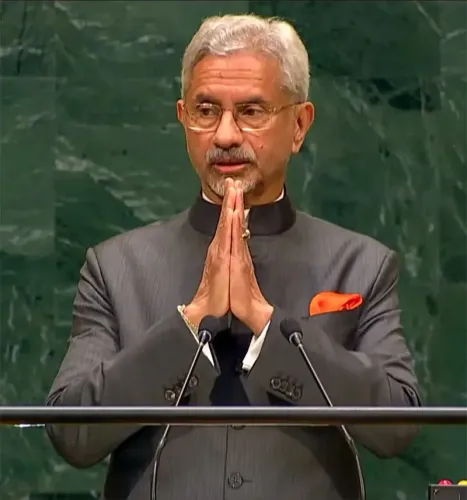
External Affairs Minister S.
Jaishankar demanded protection for commercial shipping and crews, citing conflicts affecting Gulf and international waterways.
Tunisia rejected becoming a transit hub for trafficking victims while calling for a comprehensive approach covering conflict, poverty and inequality.
Djibouti reported several thousand Yemeni conflict refugees straining its limited capacity and appealed for international support.
The Holy See's Cardinal Pietro Parolin called for an end to the nine-year stateless plight of the Rohingya , demanding conditions for their safe voluntary return.
Countries at the UN General Assembly (UNGA) on 28 September 2026 called for comprehensive human rights protections for migrant workers irrespective of their legal status, urging coordinated global action against trafficking and exploitation while pushing back against framing human mobility purely as a security and border-control challenge.
Philippines Champions Migrant Seafarers
Philippine Foreign Secretary Theresa Lazaro told the Assembly that millions of migrant workers sustain economies and communities across national borders, and are entitled to fundamental freedoms and protection from abuse along dangerous migration routes. She placed particular emphasis on seafarers, noting that nearly 90 per cent of global trade moves by sea, supported by close to two million seafarers worldwide — of whom more than a quarter are Filipinos. Her remarks framed migrant labour as a structural pillar of the world economy rather than a peripheral border issue.
India Raises Maritime Worker Safety
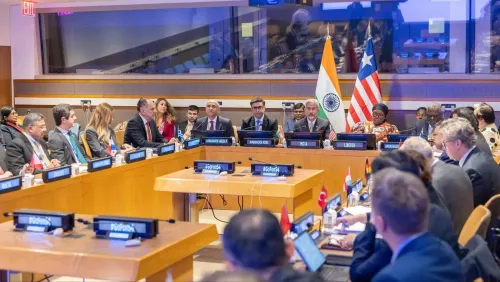
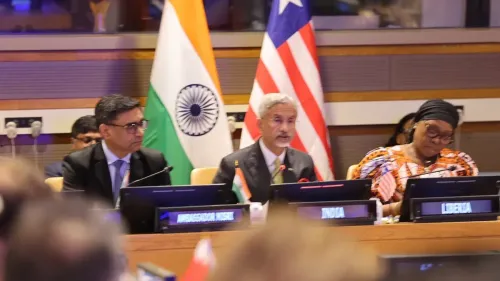
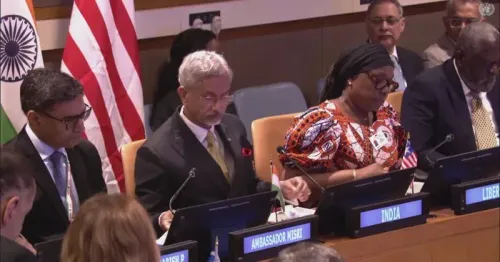
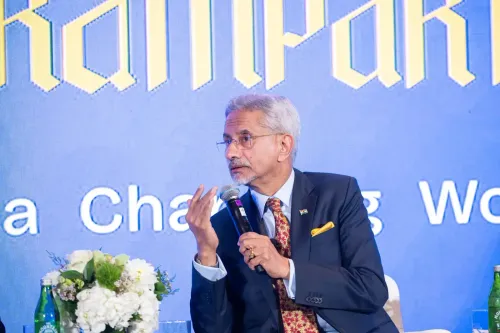
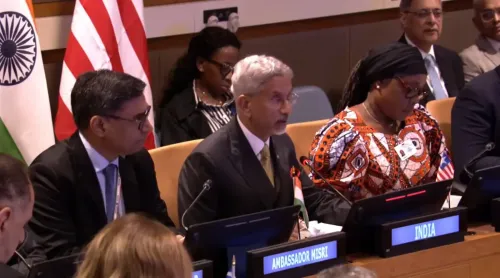
External Affairs Minister S. Jaishankar echoed concerns about maritime workers during India's address, calling for uninterrupted energy and commercial flows amid ongoing conflicts affecting the Gulf and international waterways. He said attacks targeting commercial vessels and their crews were unacceptable, and demanded stronger protections for shipping and seafarers. The intervention is of direct consequence for India: a large Indian diaspora is employed across the Gulf, North America, Europe and Asia, and Indian sailors crew commercial vessels transiting some of the world's most sensitive maritime corridors.
Tunisia and Djibouti Highlight Transit Pressures
Tunisian Foreign Minister Mohamed Ali Nafti urged countries to move beyond a narrow security-based approach to migration. He said Tunisia continues to rescue irregular migrants on land and at sea and assists those seeking voluntary return, but added that the country 'firmly rejects becoming either a transit country or a destination for irregular migrants who are victims of human trafficking networks.' Nafti called for a comprehensive approach addressing conflict, poverty, unemployment, trafficking and economic inequality — one that embodies 'shared responsibility, solidarity and cooperation among countries of origin, transit and destination.'
Djibouti's Foreign Minister Abdoulkader Houssein Omar described the strain on his country's limited capacity after several thousand people fleeing violence in Yemen crossed its borders. He appealed for international assistance for refugees and for a peaceful resolution to the conflict driving their displacement.
Rohingya Crisis and Youth Migration in Focus
The Holy See raised the continuing plight of the Rohingya, hundreds of thousands of whom have endured statelessness and dangerous conditions for more than nine years. Cardinal Pietro Parolin declared: 'Their suffering must end!' He called for conditions that would allow their safe, legal, voluntary and unhindered return. Zambia's Foreign Minister Mulambo Hamakuni Haimbe connected the migration debate to domestic youth opportunity, arguing that young people need education, relevant skills, technology access, entrepreneurship pathways and decent employment before economic hardship compels them to leave their communities.
Fault Lines in the Global Migration Debate
The statements laid bare persistent tensions at the heart of international migration governance. Destination and transit countries pressed for stronger border management, while migrant-sending nations demanded protection for their citizens abroad and recognition of remittances and labour contributions to host economies. Notably, this debate has deepened as conflicts in the Middle East and the Horn of Africa have intensified displacement pressures. The UNGA session offers a platform for principle, but binding agreements on migration remain elusive — a gap that advocates and several delegations flagged as urgently in need of closing.
Point of View
And this session is unlikely to break that pattern — but the alignment between migrant-sending countries and some transit states on rights-based framing is notably stronger than in previous years. India's intervention on seafarer safety is strategically sharp: it ties a humanitarian argument to a hard economic interest, making it harder for destination countries to dismiss. What the debate still lacks is a credible enforcement mechanism — declarations about trafficking and exploitation have multiplied for years while actual trafficking flows have not declined. Until UNGA statements translate into domestic legal reforms and bilateral labour agreements with teeth, the gap between rhetoric and reality for migrant workers will remain dangerously wide.
NationPress
28 Sept 2026
Frequently Asked Questions
What did countries say about migrant workers at UNGA 2026?
At the UN General Assembly on 28 September 2026, multiple countries called for full human rights protections for migrant workers regardless of their legal status, and demanded action against trafficking and exploitation. Nations also warned against treating migration solely as a security or border-control issue.
What did India's External Affairs Minister Jaishankar say at UNGA?
External Affairs Minister S. Jaishankar called for uninterrupted energy and commercial flows amid conflicts affecting the Gulf and international waterways, and said attacks on commercial vessels and their crews were unacceptable. He demanded stronger international protections for shipping and seafarers.
Why did the Philippines highlight migrant seafarers at UNGA?
Philippine Foreign Secretary Theresa Lazaro noted that nearly 90 per cent of world trade moves by sea, supported by close to two million seafarers — more than a quarter of whom are Filipinos. She argued that migrant seafarers are entitled to fundamental rights and protection from trafficking and abuse.
What is Tunisia's position on irregular migration?
Tunisian Foreign Minister Mohamed Ali Nafti said Tunisia rescues irregular migrants and assists voluntary returnees, but firmly rejects becoming a transit or destination country for trafficking victims. He called for a comprehensive approach addressing conflict, poverty, unemployment and economic inequality through shared international responsibility.
What was said about the Rohingya at UNGA 2026?
The Holy See's Cardinal Pietro Parolin raised the Rohingya's plight at UNGA, noting that hundreds of thousands have endured statelessness and dangerous conditions for more than nine years. He called for conditions permitting their safe, legal, voluntary and unhindered return.