US backs $80 million loan for Antheia to boost domestic drug supply
Synopsis
The US is treating its pharmaceutical supply chain like a defence asset. An $80 million conditional loan to biotech firm Antheia — using bioengineered yeast to make drug ingredients — marks a concrete step in Washington's bid to end dependence on overseas API suppliers, framing medicine manufacturing as a national security imperative.
Key Takeaways
The US Department of Defense's Office of Strategic Capital announced an $80 million conditional loan commitment to biotech firm Antheia on 18 October .
The loan is conditional — Antheia must clear financial, legal, technical, and due diligence requirements before funds are released.
Most key starting materials and active pharmaceutical ingredients (APIs) used in US medicines are currently manufactured overseas, according to the department.
Antheia uses bioengineered yeast fermentation — not conventional chemical synthesis — to produce pharmaceutical ingredients.
The project supports a Trump -era executive order on domestic production of essential medicines and medical countermeasures.
No timeline has been given for financial close or the start of commercial domestic production.
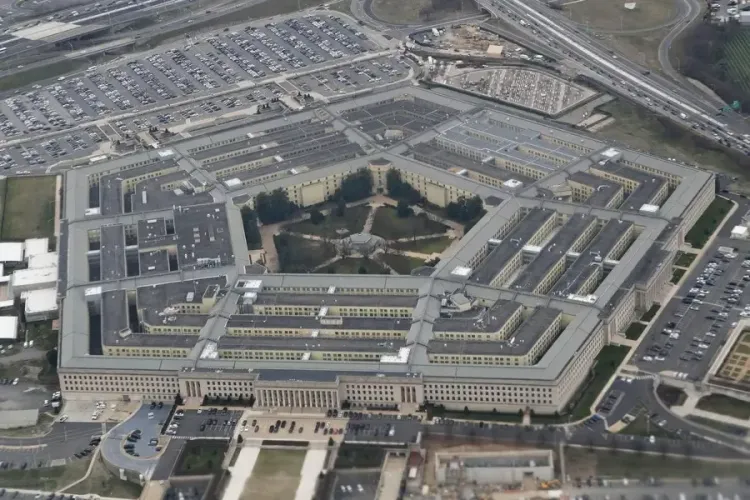
The US Department of Defense has announced an $80 million conditional loan commitment to biotechnology firm Antheia, aimed at expanding domestic production of essential pharmaceutical ingredients on 18 October. The financing, offered through the department's Office of Strategic Capital (OSC), is part of the Trump administration's broader push to reduce American reliance on foreign suppliers of critical medicines and treat pharmaceutical supply chains as a national security matter.
What the Financing Covers
The $80 million commitment is a conditional loan — not disbursed funds. Antheia must first satisfy financial, legal, technical, investment, and due diligence requirements before the arrangement can reach financial close. Alongside additional private capital, the loan is intended to help the company build manufacturing operations on US soil for key starting materials and active pharmaceutical ingredients (APIs) used in generic medicines.
According to the department, the vast majority of key starting materials and APIs used in medicines are currently manufactured outside the United States, a dependence officials argue creates vulnerabilities during international emergencies, supply-chain disruptions, and sudden demand surges.
Antheia's Bioengineering Approach
Antheia employs a distinctive manufacturing process that uses bioengineered yeast to convert sugar directly into pharmaceutical starting materials and active ingredients through fermentation. The technology is designed as an alternative to conventional chemical synthesis, offering more flexible and potentially cost-effective domestic production of critical medicines.
'Antheia's biosynthesis platform represents an innovative method to establish cost-effective domestic supply chains which enable the United States to compete globally,' said David A. Lorch, director of the Office of Strategic Capital and senior adviser to Deputy Secretary Steve Feinberg. Lorch added that the proposed financing would strengthen the supply chain for essential medicines.
Akshaya Trivedi, managing director for investments at the OSC, described the commitment as an opportunity to establish domestic supply chains for materials used in important pharmaceutical products. The department noted that Antheia currently relies on contract manufacturing partners abroad because sufficient domestic production capacity is unavailable.
Strategic and Policy Context
The investment also supports an executive order issued during Trump's first presidency that aimed at increasing American production of essential medicines, medical countermeasures, and critical pharmaceutical inputs. Emil Michael, under secretary for research and engineering, said the move was consistent with the department's technology priorities.
'Biomanufacturing is one of the Department's six critical technology areas, making domestic production an imperative,' Michael said. This comes amid a wider US effort to rebuild manufacturing capacity across strategically important sectors, including semiconductors, energy technologies, and critical minerals.
Timeline and Next Steps
The department did not specify when the financing would reach financial close or when Antheia's expanded domestic manufacturing operations would begin commercial production. The announcement marks another step in Washington's effort to bring medicine manufacturing within the scope of investments traditionally associated with defence and strategic industries — a framing that reflects a significant shift in how the administration views pharmaceutical supply chain risk.
Point of View
And Antheia's fermentation-based platform, while innovative, has yet to demonstrate commercial-scale reliability. The deeper question Washington has not fully answered is whether financial incentives alone can rebuild domestic API capacity fast enough to matter in a genuine supply emergency — especially when overseas manufacturers retain decisive cost advantages that a single loan cannot neutralise.
NationPress
18 Oct 2026
Frequently Asked Questions
What is the $80 million US loan to Antheia for?
It is a conditional loan commitment from the US Department of Defense's Office of Strategic Capital to help biotech firm Antheia build domestic manufacturing capacity for key pharmaceutical starting materials and active ingredients used in generic medicines. The goal is to reduce US dependence on overseas drug ingredient suppliers.
Is the $80 million already disbursed to Antheia?
No. The $80 million is a conditional financing commitment, not funds already released. Antheia must satisfy financial, legal, technical, investment, and due diligence requirements before the loan can reach financial close.
How does Antheia make pharmaceutical ingredients differently?
Antheia uses bioengineered yeast to convert sugar into pharmaceutical starting materials and active ingredients through fermentation, rather than conventional chemical manufacturing. The approach is intended to offer a more flexible and cost-effective alternative for domestic production.
Why is the US government treating drug supply chains as a national security issue?
US officials argue that reliance on foreign manufacturers for most key pharmaceutical ingredients creates vulnerabilities during international emergencies, supply disruptions, and sudden demand spikes. The administration has placed biomanufacturing among the Department of Defense's six critical technology areas.
What executive order does this project support?
The project supports an executive order issued during President Trump's first term that directed increased American production of essential medicines, medical countermeasures, and critical pharmaceutical inputs, as part of a broader effort to reshore strategic manufacturing capacity.