US backs Japan's sovereignty over Northern Territories amid Putin's Iturup visit
Synopsis
Putin's visit to Iturup Island on 13 August triggered a swift diplomatic backlash — Japan summoned Russia's ambassador, Prime Minister Takaichi called the visit 'absolutely unacceptable,' and Washington publicly backed Tokyo's sovereignty claim. The episode marks a fresh flashpoint in a territorial dispute that has prevented a Japan-Russia peace treaty for nearly eight decades.
Key Takeaways
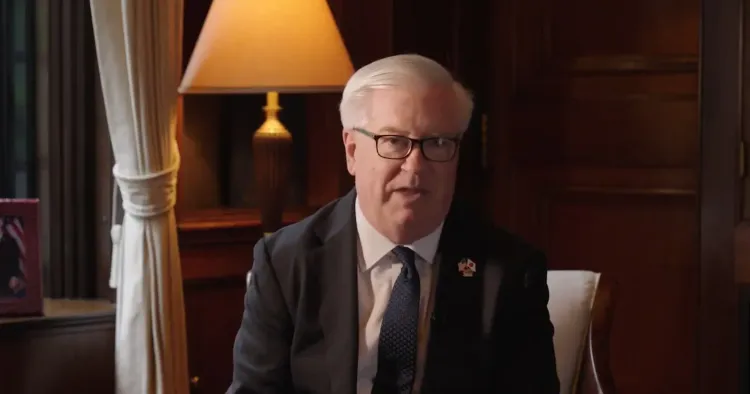
US Ambassador George Edward Glass reaffirmed Washington's recognition of Japan's sovereignty over the Northern Territories on 14 August .
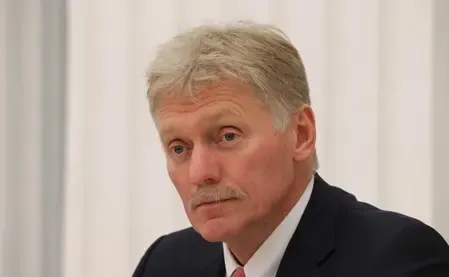
Russian President Vladimir Putin visited Iturup Island (Etorofu) on 13 August , prompting strong protests from Tokyo .
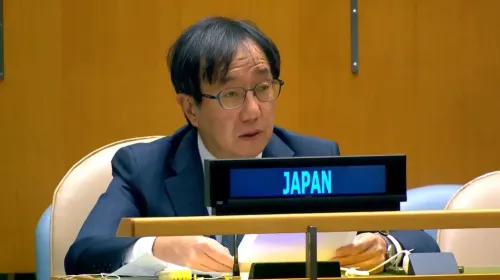
Japanese Prime Minister Sanae Takaichi called the visit 'incompatible with Japan's consistent position' and 'absolutely unacceptable.' The Japanese government summoned Russian Ambassador Nikolay Nozdrev and lodged a formal protest.
Japan claims the islands — Etorofu, Kunashiri, Shikotan , and the Habomai group — were illegally seized by the Soviet Union after World War II ; Russia contests this.
Takaichi warned the visit has 'further hardened anti-Russia sentiment' and complicated medium- to long-term recovery of bilateral relations.
US Ambassador to Japan George Edward Glass on 14 August reaffirmed Washington's support for Japan's sovereignty over the Northern Territories, responding directly to Russian President Vladimir Putin's visit to Iturup Island — a move that drew sharp protests from Tokyo and further strained already fraught Japan-Russia relations.
Washington's Statement
Ambassador Glass posted on X: 'The United States remains unwavering in its support of its most important ally and in its recognition of Japanese sovereignty over the Northern Territories. At a time when the US-Japan Alliance is dedicated to cultivating prosperity across the Indo-Pacific, we strongly oppose any action that undermines its peace and stability.'
The statement came in direct response to a post by Japanese Prime Minister Sanae Takaichi, who publicly objected to Putin's visit and reaffirmed Japan's territorial claims.
Tokyo's Protest Over Putin's Visit
Prime Minister Takaichi confirmed she received word of Putin's visit to Iturup Island on 13 August and immediately held an informal press conference. She noted that since Putin had indicated in January 2024 that he would visit the Northern Territories, Tokyo had repeatedly urged Moscow to ensure no such visit took place.
Takaichi stated in her X post: 'The Northern Territories are inherently Japanese territory both historically and under international law, and this visit to Etorofu Island by Russia's incumbent president is incompatible with Japan's consistent position on the Northern Territories. Moreover, it wounds the feelings of the Japanese people and is absolutely unacceptable.'
The Japanese government also summoned Russian Ambassador to Japan Nikolay Nozdrev and lodged a formal protest over the visit, according to reports.
Impact on Japan-Russia Relations
Takaichi warned that Putin's visit has further hardened anti-Russia sentiment within Japan, stating it has made 'medium- to long-term recovery of relations more difficult.' She expressed hope that the Russian side would 'take the gravity of this matter very seriously.'
This comes amid already strained ties between Tokyo and Moscow following Russia's invasion of Ukraine. Japan has consistently aligned with Western nations in imposing sanctions on Russia since the conflict began.
Background: The Territorial Dispute
The islands at the centre of the dispute — Etorofu (Iturup), Kunashiri, Shikotan, and the Habomai islet group — are known in Russia as the Southern Kurils and in Japan as the Northern Territories. Japan maintains that the island chain was illegally seized by the Soviet Union after Japan's surrender in the Second World War. Russia has maintained that the post-war seizure was legitimate, and no formal peace treaty between the two countries has ever been signed.
Putin's visit marks a significant provocation in an already sensitive dispute, and with Washington now publicly backing Tokyo's position, the episode is likely to add another layer of tension to the broader Russia-West standoff.
Point of View
Likely calibrated to test the durability of Japan's Western alignment at a moment when Tokyo is deepening its security ties with Washington. The US response, delivered via an ambassador's X post rather than a State Department statement, is notable for its speed and directness, but stops short of any concrete consequence. Japan's dilemma is structural: it has no treaty with Russia, no leverage over the islands, and now faces a domestic audience whose anti-Russia sentiment has hardened further. The real question is whether this episode accelerates Japan's push for a more assertive defence posture — and how Beijing reads Washington's willingness to go to bat for an ally over a territorial dispute in its own neighbourhood.
NationPress
28 Sept 2026
Frequently Asked Questions
What are Japan's Northern Territories?
The Northern Territories is Japan's name for a chain of four islands — Etorofu (Iturup), Kunashiri, Shikotan, and the Habomai islet group — currently administered by Russia as the Southern Kurils. Japan maintains the islands were illegally seized by the Soviet Union after its surrender in World War II; Russia regards the post-war acquisition as legitimate. No peace treaty between the two countries has ever been signed.
Why did Putin visit Iturup Island?
Russian President Vladimir Putin visited Iturup Island on 13 August, though no official reason was stated in the source. Japan's Prime Minister Takaichi noted that Putin had signalled as early as January 2024 that he intended to visit the Northern Territories, and Tokyo had repeatedly urged Moscow to cancel any such visit.
How did Japan respond to Putin's visit?
Japanese Prime Minister Sanae Takaichi publicly condemned the visit as 'absolutely unacceptable' and held an immediate press conference. The Japanese government also summoned Russian Ambassador Nikolay Nozdrev to lodge a formal protest.
What did the United States say about the dispute?
US Ambassador to Japan George Edward Glass posted on X that Washington remains 'unwavering' in its recognition of Japanese sovereignty over the Northern Territories and 'strongly opposes any action that undermines' Indo-Pacific peace and stability. The statement was made in direct response to Prime Minister Takaichi's post on X.
What is the impact on Japan-Russia relations?
Prime Minister Takaichi stated that Putin's visit has further hardened anti-Russia sentiment within Japan and made medium- to long-term recovery of bilateral relations 'more difficult.' Relations were already severely strained following Japan's alignment with Western sanctions after Russia's invasion of Ukraine.