US bill seeks to ban Russian diesel deal under Trump
Synopsis
A bipartisan US bill, the Prohibit Corrupt Russia Oil Deals Act, is directly targeting Trump's decision to allow Russian diesel imports — framing it as a de facto subsidy to Putin's war machine. With Indian-American lawmaker Ami Bera among the co-sponsors and a separate letter naming India and China as Russian crude buyers, the legislative push has direct implications beyond Washington.
Key Takeaways
The Prohibit Corrupt Russia Oil Deals Act was introduced on 17 October by Congressman Gregory Meeks and a bipartisan group of US lawmakers.
The bill would nullify Treasury Department licences permitting Russian diesel transactions and bar the US International Development Finance Corporation from investing in Russian energy.
Republican Congressman Don Bacon is among the co-sponsors, alongside Democrats including Ami Bera , Steny Hoyer , and Jim Costa .
A separate bipartisan letter led by Congressman Michael McCaul urged Trump to implement the Lindsey O.
Graham Sanctioning Russia and Iran Act by its 18 October deadline, naming India and China as major Russian crude buyers.
The bill has not been enacted and requires full congressional approval before its restrictions take legal effect.
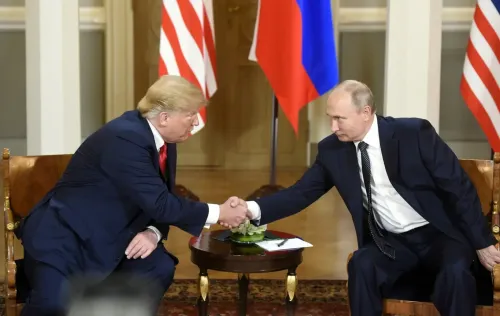
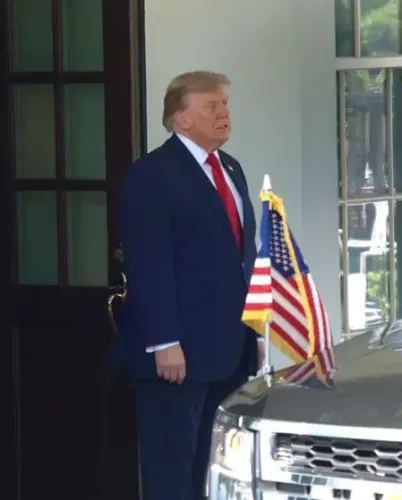
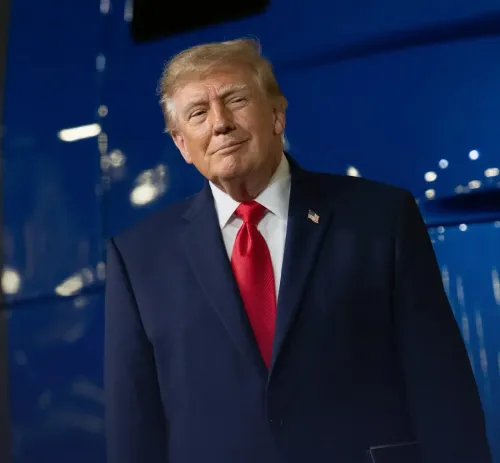
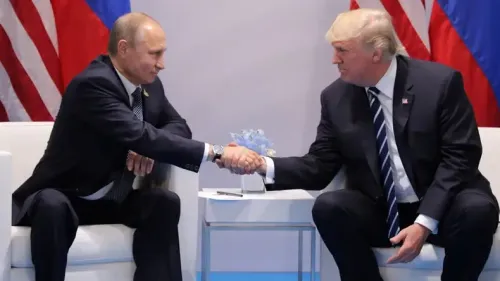
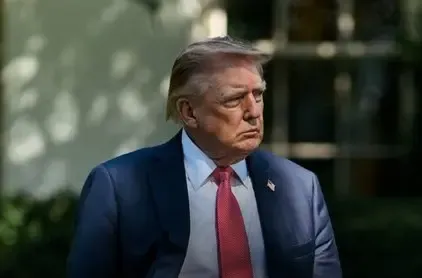
A bipartisan group of US lawmakers on Friday, 17 October introduced legislation aimed at blocking President Donald Trump's arrangement to purchase and import Russian diesel, escalating congressional opposition to a policy that critics say could channel additional revenue to Moscow for its ongoing war in Ukraine.
What the Bill Proposes
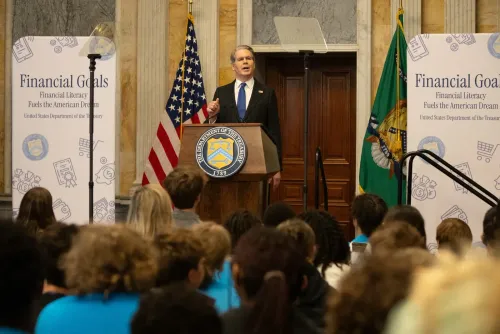
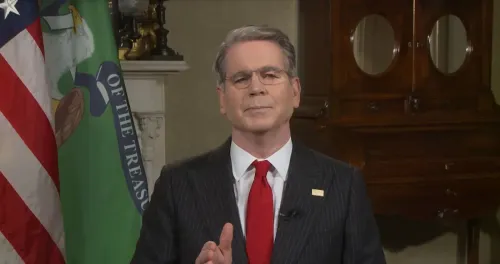
The measure, formally titled the Prohibit Corrupt Russia Oil Deals Act, was introduced by Congressman Gregory Meeks, the ranking Democrat on the House Foreign Affairs Committee. The legislation would prohibit the US International Development Finance Corporation from investing in Russian energy and would nullify Treasury Department licences currently permitting Russian fuel transactions.
Crucially, the bill also seeks to prevent any future authorisations of the same nature and would require the administration to impose dedicated sanctions targeting Russian energy — going beyond a congressional statement to an active legislative reversal of executive policy.
What Meeks and Sponsors Said
Meeks argued that the Trump administration's decision to allow Russian diesel purchases directly contradicts Washington's broader strategy of imposing economic pressure on Moscow. 'This deal won't lower costs for the American people, who are already paying for Trump's failed war of choice in Iran,' he said. He further contended that permitting such transactions would furnish additional financial resources to President Vladimir Putin's government at a time when Ukraine continues to face military attacks.
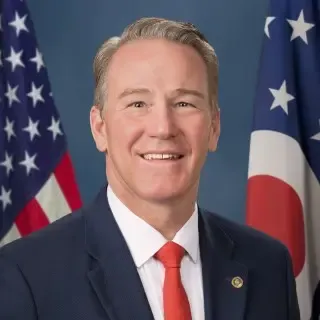
The bill has drawn support from both parties. Republican Congressman Don Bacon is among the co-sponsors, alongside Democratic Representatives Ami Bera, Jim Costa, Steny Hoyer, Bill Keating, and others. The involvement of Bera, an Indian-American lawmaker from California, adds a notable dimension to the debate, given India's own position in ongoing discussions around Russian energy sanctions.
Broader Congressional Pressure on Russia Policy
The bill arrives amid a wider legislative push against the administration's Russia posture. Earlier in the week, a separate bipartisan letter led by Congressman Michael McCaul and Costa urged Trump to fully implement the Lindsey O. Graham Sanctioning Russia and Iran Act by its 18 October deadline. That letter specifically named India and China as major purchasers of Russian crude and called for secondary tariffs based on authoritative trade and maritime data — a signal that congressional scrutiny could extend to third-country buyers.
Domestic Fuel Costs Complicate the Debate
The administration's diesel policy has also become entangled in domestic economic concerns. Higher diesel prices directly affect transport operators, farmers, and businesses across the United States, creating political pressure on policymakers to expand supply options. Critics of the proposed legislation argue it could constrain supply choices at a sensitive moment for fuel prices, though supporters maintain that any revenue benefit to Moscow outweighs domestic price relief considerations.
What Happens Next
The bill has not been enacted and would need to clear both chambers of Congress and survive a potential veto before its restrictions take force. With most co-sponsors being Democrats and only limited Republican crossover so far, the legislation's passage remains uncertain — but its introduction signals that congressional resistance to the Russia diesel arrangement is unlikely to fade quietly.
Point of View
A move that would carry serious consequences for India's discounted-oil strategy. The legislative calendar and a looming 18 October deadline for the Graham sanctions act make the next 48 hours a pressure point worth watching.
NationPress
17 Oct 2026
Frequently Asked Questions
What is the Prohibit Corrupt Russia Oil Deals Act?
It is a US congressional bill introduced on 17 October by Congressman Gregory Meeks and bipartisan co-sponsors, designed to block the Trump administration's arrangement to purchase and import Russian diesel. The bill would nullify existing Treasury Department licences permitting Russian fuel transactions and bar the US International Development Finance Corporation from investing in Russian energy.
Why are US lawmakers opposing the Russian diesel deal?
Critics, led by Congressman Meeks, argue that allowing Russian diesel imports provides additional financial resources to President Putin's government, effectively undermining the sanctions pressure Washington has applied to Moscow over its war in Ukraine. Meeks contends the deal does not meaningfully reduce fuel costs for American consumers.
Which lawmakers are backing the bill?
The bill has bipartisan support. Republican Congressman Don Bacon is a co-sponsor alongside Democrats including Ami Bera, Jim Costa, Steny Hoyer, and Bill Keating, among others. Most sponsors are Democrats, reflecting the partisan contours of the debate.
How does this bill affect India?
While the bill directly targets US-Russia transactions, a separate bipartisan letter from Congressman Michael McCaul and Jim Costa named India and China as major purchasers of Russian crude and called for secondary tariffs on those countries. This is a distinct but related legislative pressure that could affect India's continued purchase of discounted Russian oil.
Will the bill become law?
Not immediately. The Prohibit Corrupt Russia Oil Deals Act would require approval from both chambers of Congress and could face a presidential veto. With limited Republican co-sponsorship so far, its passage is uncertain, though its introduction escalates congressional pressure on the Trump administration's Russia energy policy.