US-China trade framework: Tariffs stay, Boeing deal confirmed after Trump-Xi summit
Synopsis
After Trump's Beijing summit with Xi, the US isn't dropping tariffs — it's institutionalising them. A new 'Board of Trade' and 'Board of Investment' signal Washington wants managed, not free, trade with China. The 200-Boeing-aircraft deal is confirmed, but the fine print is still being written, and for India, the question is whether this framework accelerates or stalls supply-chain diversification.
Key Takeaways
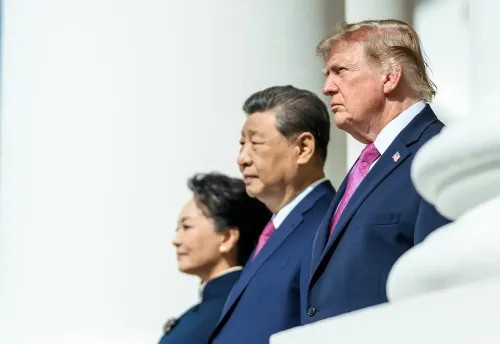
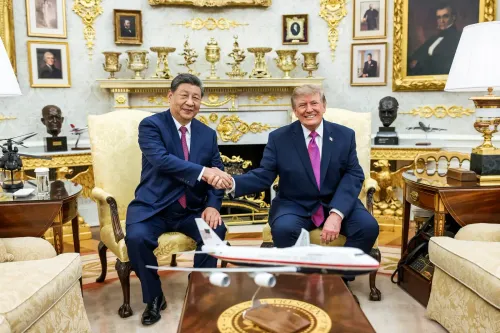
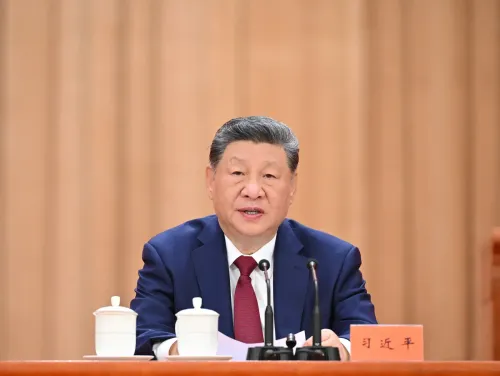
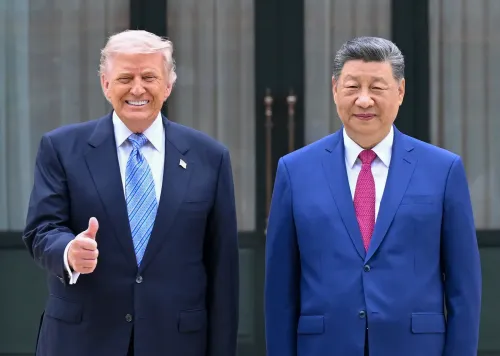
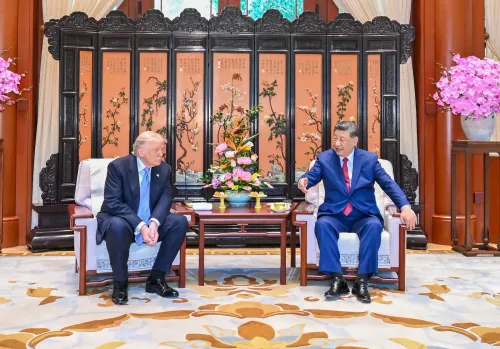
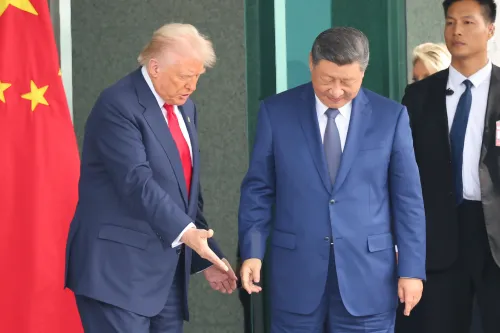
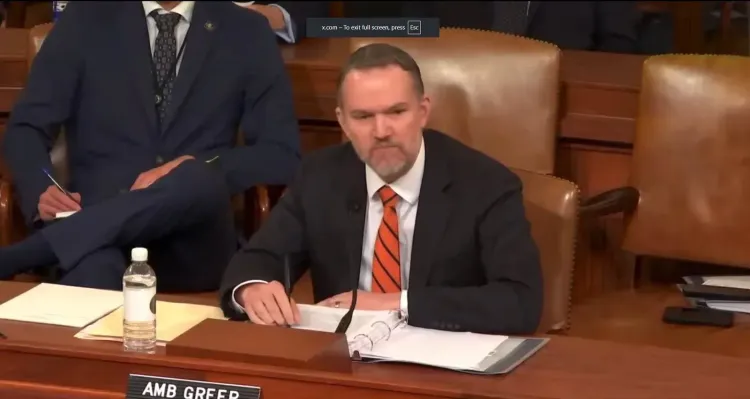
US Trade Representative Jamieson Greer announced a new structured US-China trade framework on 18 May 2025 , following President Trump's summit with President Xi Jinping in Beijing .
Washington and Beijing agreed to establish a 'Board of Trade' and a 'Board of Investment' to manage economic disputes and replace the previous ad hoc approach.
China confirmed an initial purchase of 200 Boeing aircraft , with potential for larger future orders; final agreement details are still being finalised.
Tariffs remain in place; the US said it is focused on trade in 'non-sensitive goods' such as agricultural products, medical devices, and consumer items.
China restored access for some American beef and poultry facilities and continues purchases of American soybeans .
The summit also addressed keeping the Strait of Hormuz open and ensuring China does not provide material support to Iran .
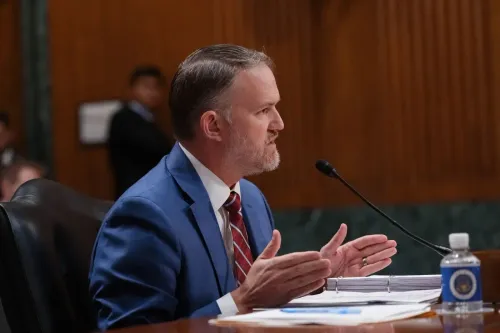
US Trade Representative Jamieson Greer on Sunday, 18 May 2025 outlined a new structured framework for US-China trade and economic engagement, signalling a shift away from ad hoc dealings while keeping tariffs and restrictions on sensitive sectors firmly in place. The announcement followed President Donald Trump's high-profile summit with Chinese President Xi Jinping in Beijing and drew close attention from global markets and trading partners, including India.
Key Developments from the Summit
Greer, speaking separately on CBS News' 'Face the Nation' and ABC News' 'This Week', said Washington and Beijing had agreed to establish a 'Board of Trade' and a 'Board of Investment' to manage economic disputes and stabilise bilateral ties. He described the move as replacing the 'ad hoc approach' that had previously defined the relationship between the world's two largest economies.
The administration confirmed that China had agreed to purchase 200 Boeing aircraft initially, with the possibility of larger future orders. Greer acknowledged, however, that final details on several summit agreements were still being prepared.
What the US Said on Tariffs and Market Access
Greer was explicit that tariffs were not going away. 'The Chinese know… we're going to have a certain level of tariff to control our imports,' he said on CBS, while adding that Washington expected greater market access from Beijing in return. The administration said it was focused on trade in 'non-sensitive goods' — a category that includes agricultural products, Boeing aircraft, medical devices, and consumer items.
Notably, while President Trump told reporters after the summit that tariffs 'didn't come up,' Greer clarified on ABC that trade discussions had already been handled at lower official levels before the two leaders met — a distinction that underscores the gap between summit optics and working-level negotiations.
China Moves to Restore American Export Access
Greer pointed to concrete early steps from Beijing, including the restoration of access for some American beef and poultry facilities that had previously been deregistered. He also cited ongoing Chinese purchases of American soybeans and Boeing aircraft as evidence of renewed engagement on trade in non-sensitive categories.
Iran, Strait of Hormuz on the Agenda
The Trump-Xi summit also addressed regional security, particularly the Strait of Hormuz — a critical global oil shipping route facing instability amid rising tensions over Iran. According to Greer, Trump pressed Xi on the need to keep the strait open and sought assurances that China would not provide material support to Iran. 'The President was very focused on making sure that they didn't provide material support to Iran,' Greer said on ABC's 'This Week'.
Implications for India and Global Supply Chains
For India, the evolving US-China trade posture carries significant strategic implications. American efforts to reduce dependence on Chinese manufacturing and sensitive technologies have already prompted multinational firms to diversify supply chains toward countries such as India and Vietnam. A more formalised — but tariff-retaining — US-China framework could slow that diversification momentum or, alternatively, clarify which sectors remain off-limits for China, reinforcing India's positioning in electronics, pharmaceuticals, and components manufacturing.
How quickly the two new trade and investment boards become operational, and whether the 200-aircraft Boeing deal is finalised in full, will be closely watched as early indicators of whether this framework holds.
Point of View
Sensitive sectors stay walled off, and the real architecture of decoupling remains intact. Trump's claim that tariffs 'didn't come up' at the summit, immediately contradicted by his own trade representative, is a telling signal: the summit was theatre, the working-level talks are where the actual terms are set. For India, the risk is that a stabilised US-China relationship reduces the urgency that has been driving supply-chain diversification — the very trend New Delhi has been counting on to attract manufacturing investment. The Boeing deal, if finalised, also hands Beijing a symbolic win that will complicate US allies' reading of Washington's long-term China posture.
NationPress
13 Oct 2026
Frequently Asked Questions
What is the new US-China trade framework announced after the Trump-Xi summit?
The US and China agreed to establish a 'Board of Trade' and a 'Board of Investment' to manage economic disputes and formalise bilateral trade engagement, replacing what US Trade Representative Jamieson Greer called the previous 'ad hoc approach.' The framework retains existing tariffs and restricts trade in sensitive sectors while focusing structured engagement on non-sensitive goods such as agricultural products, medical devices, and consumer items.
Did the US remove tariffs on China as part of the summit deal?
No. US Trade Representative Jamieson Greer confirmed that tariffs remain in place, stating that 'the Chinese know… we're going to have a certain level of tariff to control our imports.' The framework focuses on non-sensitive goods and greater Chinese market access for American exports, not tariff removal.
What is the Boeing aircraft deal agreed between the US and China?
China agreed to an initial purchase of 200 Boeing aircraft, with the possibility of larger future orders, according to Greer. However, he acknowledged that final details on several summit agreements, including this deal, were still being prepared.
How does the US-China trade framework affect India?
A more formalised US-China trade relationship could influence the pace of supply-chain diversification away from China, a trend that has benefited India and Vietnam. If the framework stabilises US-China commercial ties without resolving sensitive-sector restrictions, India may retain its advantage in electronics, pharmaceuticals, and components manufacturing — but a full détente could slow the diversification momentum New Delhi has been counting on.
What was discussed about Iran and the Strait of Hormuz at the Trump-Xi summit?
President Trump raised the need to keep the Strait of Hormuz open and sought assurances that China would not provide material support to Iran, according to Greer. 'The President was very focused on making sure that they didn't provide material support to Iran,' Greer said on ABC's 'This Week.'