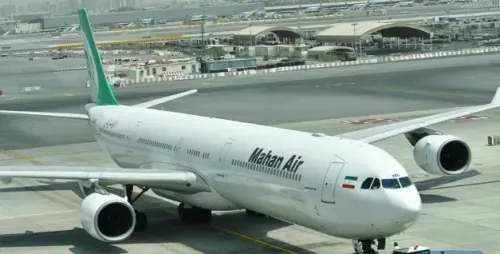
US lifts sanctions on Fly Baghdad airline, denies Iran policy shift
Synopsis
Washington has quietly delisted Iraqi carrier Fly Baghdad from Iran-linked sanctions — while insisting it signals no softening toward Tehran. The timing is hard to ignore: US Treasury Secretary Bessent says a Strait of Hormuz deal could come within days, and Iran and Oman are already finalising coordinates for a safe shipping corridor. The diplomatic pieces are moving faster than the official denials suggest.
Key Takeaways
US Treasury's OFAC removed Fly Baghdad Airlines (also known as Iraq Express) and two Boeing 737 aircraft from the SDN List on Wednesday .
The airline was originally designated in January 2024 for allegedly supporting the IRGC's Quds Force and its proxies in Iraq , Syria , and Lebanon .
A Treasury official stated the delisting followed an internal reconsideration and does not reflect any change in US policy toward Iran or the IRGC .
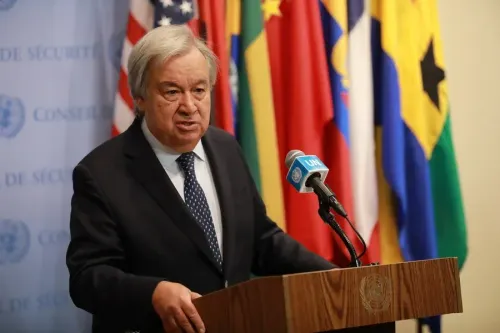
Treasury Secretary Scott Bessent said on Tuesday that a deal to reopen the Strait of Hormuz could be reached within days.
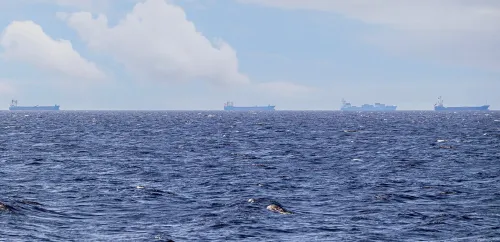
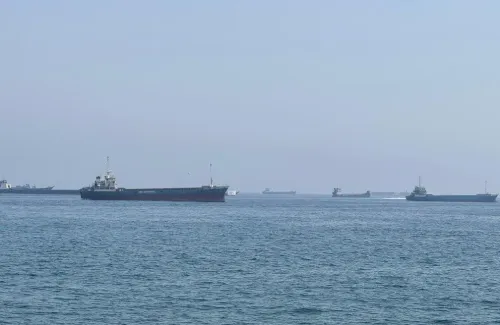
Iran and Oman have agreed on geographical coordinates for a proposed safe commercial shipping route through the strait, with a joint statement being finalised.
Iranian spokesperson Esmaeil Baghaei warned that the US maritime blockade means the strait is not yet safe for transiting vessels despite bilateral progress.
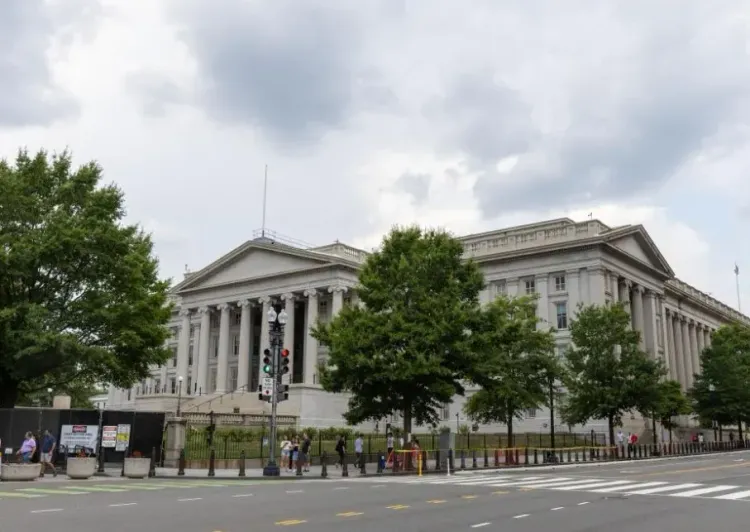
The US Department of the Treasury has removed Fly Baghdad Airlines and two of its Boeing 737 aircraft from its Specially Designated Nationals (SDN) List on Wednesday, delisting the Iraqi carrier from sanctions tied to Iran's Islamic Revolutionary Guard Corps (IRGC). The move follows an internal reconsideration process and comes amid active diplomatic talks over the Strait of Hormuz.
The Delisting Decision
Fly Baghdad Airlines, also known as Iraq Express, was originally placed on the SDN list in January 2024, on the allegation that it provided material support to the IRGC's Quds Force and its proxy militias operating across Iraq, Syria, and Lebanon. The Office of Foreign Assets Control (OFAC) of the US Treasury confirmed the removal in an official statement.
An anonymous Treasury official clarified that the delisting resulted from a standard internal reconsideration process — not a policy reversal. 'This is not indicative of any shift in US policy toward the Government of Iran, the Islamic Revolutionary Guard Corps-Quds Force, any designated terrorist organisation, or any person who supports or acts on behalf of any of these,' multiple media outlets quoted the official as saying.
Strait of Hormuz Talks in Focus
US Treasury Secretary Scott Bessent said on Tuesday that a deal with Iran could be reached within days to reopen the Strait of Hormuz. The United States and Iran are currently engaged in talks on the issue after both sides paused attacks over the preceding weekend, signalling a fragile but notable de-escalation.
Separately, Iranian Foreign Ministry spokesperson Esmaeil Baghaei told reporters on Wednesday that Iran and Oman have made measurable progress in negotiations on establishing a safe commercial shipping corridor through the strait. According to a ministry press release, the two sides have reached an understanding on the geographical coordinates of the proposed route and are finalising a joint statement — provided, Baghaei noted, that 'certain third parties' do not obstruct the process.
Iran-Oman Coordination
The bilateral consultations between Tehran and Muscat have been ongoing for roughly two months, with Iranian authorities reviewing the technical, legal, security, and environmental dimensions of the proposed route. Baghaei attributed the closure of the strait to what he described as US and Israeli 'military aggression' against Iran and its regional consequences.
He cautioned, however, that the Iran-Oman understanding alone does not guarantee safe transit for vessels, as the US maritime blockade and other actions against Iran and its interests remain in place. Baghaei also confirmed that Tehran has no plans for senior officials to visit Pakistan or Qatar this weekend.
What Happens Next
The convergence of Fly Baghdad's delisting, the Bessent timeline, and the Iran-Oman corridor talks suggests a diplomatic window is open — though fragile. Whether a formal Strait of Hormuz deal materialises within the timeframe cited by Bessent will depend heavily on whether the unnamed 'third parties' flagged by Iran choose to facilitate or hinder the process.
Point of View
And active Iran-Oman corridor negotiations. Official denials of a softening often trail the softening itself. The more consequential question is whether a Hormuz reopening — if it materialises — is durable or merely a tactical pause, given that Iran explicitly conditions safe passage on the US ending its maritime blockade. A deal that satisfies both sides' stated red lines remains structurally elusive.
NationPress
20 Sept 2026
Frequently Asked Questions
Why was Fly Baghdad Airlines removed from the US sanctions list?
The US Treasury's Office of Foreign Assets Control removed Fly Baghdad Airlines from the Specially Designated Nationals list following an internal reconsideration process. A Treasury official stated the decision does not reflect any change in US policy toward Iran or the IRGC.
Why was Fly Baghdad originally sanctioned?
Fly Baghdad Airlines was placed on the SDN list in January 2024 on the allegation that it provided support to the IRGC's Quds Force and its affiliated proxy militias operating in Iraq, Syria, and Lebanon.
What is the current status of Strait of Hormuz talks?
The United States and Iran are holding active talks on reopening the Strait of Hormuz after both sides paused attacks over the weekend. Treasury Secretary Scott Bessent said on Tuesday that a deal could be reached within days.
What progress have Iran and Oman made on the Hormuz shipping route?
Iran and Oman have reached an understanding on the geographical coordinates of a proposed safe commercial shipping corridor through the Strait of Hormuz and are finalising a joint statement. The two countries have been in consultations for approximately two months.
Does the Iran-Oman agreement mean the Strait of Hormuz is safe to navigate?
Not yet, according to Iranian Foreign Ministry spokesperson Esmaeil Baghaei. He stated that the bilateral understanding alone does not ensure safe transit, as the US maritime blockade and other actions against Iran and its interests remain in effect.