US sanctions 27 Iranian airlines, targets third-country firms in pressure push
Synopsis
Washington has blacklisted all remaining Iranian commercial airlines in a single sweep — and for the first time pulled in companies from Türkiye, Malaysia, and Kazakhstan as alleged enablers. With FinCEN now alerting banks and OFAC suspending overflight waivers, the US is closing every legal gap Iran's aviation sector had left to exploit.
Key Takeaways
The US Treasury added 27 Iranian airlines to the Specially Designated Nationals List on 9 September , covering all remaining Iranian carriers.
OFAC designated four companies from Türkiye , Malaysia , and Kazakhstan for acting as Mahan Air's cargo and sales agents.
Mahan Air reportedly received at least three Boeing 777 aircraft in summer 2026 via transhipment through the UAE and Oman .
FinCEN issued an alert requiring financial institutions to report procurement networks supporting Iran's aviation sector.
OFAC suspended authorisations allowing non-US airlines to fly US-origin or US-controlled aircraft into Iran.
Iranian President Masoud Pezeshkian vowed continued resistance, posting on X that Iran will stand firm until 'aggressors are brought to complete regret.'
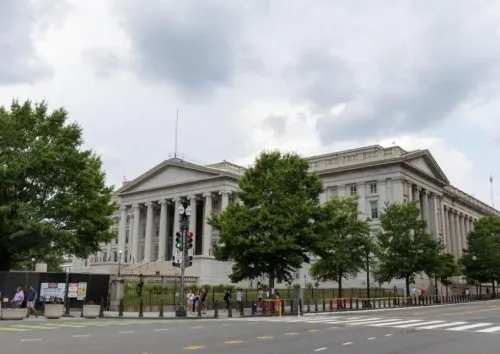
The US Department of the Treasury on Tuesday, 9 September added 27 Iranian airlines to its Specially Designated Nationals (SDN) List, effectively blacklisting every remaining Iranian commercial carrier in a sweeping escalation of economic pressure on Tehran. The move also ensnares foreign companies in Türkiye, Malaysia, and Kazakhstan accused of facilitating Iran's aviation network.
Scope of the Designations
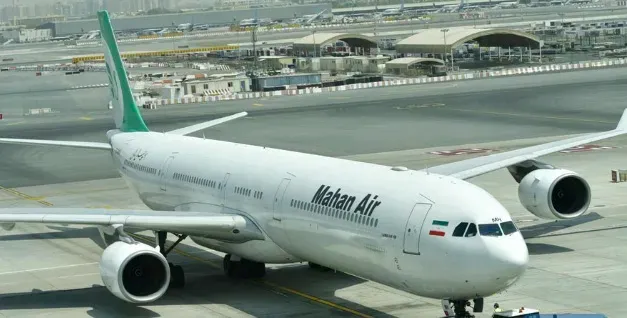
The Treasury's Office of Foreign Assets Control (OFAC) designated four companies from Türkiye, Malaysia, and Kazakhstan on the grounds that they acted as cargo service providers and general sales agents for Mahan Air, Iran's most scrutinised carrier. OFAC simultaneously suspended authorisations that had previously allowed non-US airlines to fly US-origin or US-controlled commercial aircraft into Iran, and permitted Iranian overflights.
The Treasury statement said the sanctions also targeted 'covert front companies, foreign intermediaries, and deceptive transhipment routes' that Iran relies upon to obtain US-origin aircraft and sensitive technology — a signal that Washington views the aviation sector as a critical node in Iran's procurement architecture.
The Mahan Air Thread
The United States first sanctioned Mahan Air in October 2011, and on 30 July targeted multiple companies identified as the airline's general sales agents. Tuesday's action deepens that campaign. According to the Treasury release, Mahan Air received at least three Boeing 777 aircraft in summer 2026 that were diverted through the United Arab Emirates and Oman — illustrating the transhipment channels Washington is now moving to close.
The Treasury argued that Iran's commercial airlines have long served the Islamic Revolutionary Guard Corps (IRGC), which has used ostensibly private carriers to procure and transport weapons and ferry personnel — a charge Tehran has consistently denied.
Financial System Put on Alert
In a parallel measure, the Financial Crimes Enforcement Network (FinCEN), also under the Treasury Department, issued an alert directing financial institutions to report any procurement networks that support Iran's aviation industry. The move extends the pressure beyond the aviation sector itself, drawing banks and payment processors into Washington's enforcement net.
Tehran's Response
Iranian President Masoud Pezeshkian responded defiantly on Tuesday, posting on social media platform X that Iran remains committed to resisting what he called aggression. 'The Islamic Republic of Iran has always been opposed to war and considered the preservation of the people's interests and ensuring the (West Asia) region's security to lie in refraining from warmongering,' Pezeshkian wrote.
He added: 'However, just as it has courageously risen to defend against aggression up to this day, Iran will continue this resistance with strength until the aggressors are brought to complete regret, and will remain the guardian of the rights of the great Iranian people.' The statement underscores that Tehran has no immediate intention of altering the conduct that triggered the sanctions.
What Comes Next
The blanket SDN listing leaves Iranian carriers with virtually no legitimate pathway to access US-origin parts, aircraft, or financing. Third-country firms now face the prospect of secondary sanctions if they continue servicing Iranian airlines. Analysts note this is the most comprehensive single-day aviation blacklisting targeting Iran since the sanctions architecture was first built after 2011, and it significantly narrows the workarounds that carriers had exploited through Gulf and Central Asian intermediaries.
Point of View
Washington has eliminated the legal grey zones that kept Iran's aviation sector partially functional. The inclusion of Turkish, Malaysian, and Kazakhstani firms signals a willingness to impose secondary-sanctions risk on non-adversarial partners, which will test those governments' appetite for economic friction with the US. What is notable is the Boeing 777 transhipment detail: if three widebody aircraft reached Mahan Air through the UAE and Oman as recently as summer 2026, the enforcement gaps were far larger than Treasury had previously acknowledged — and the new measures are, in part, an admission of that failure.
NationPress
24 Oct 2026
Frequently Asked Questions
Why did the US sanction 27 Iranian airlines on 9 September?
The US Treasury added all 27 remaining Iranian commercial airlines to its Specially Designated Nationals List on 9 September, arguing that Iran's carriers have long supported the Islamic Revolutionary Guard Corps in procuring weapons and transporting personnel. The action is the broadest single-day aviation blacklisting targeting Iran since sanctions were first imposed on Mahan Air in 2011.
Which third-country companies were targeted in the sanctions?
OFAC designated four companies from Türkiye, Malaysia, and Kazakhstan for acting as Mahan Air's cargo service providers and general sales agents. These designations expose those firms — and any others that continue servicing Iranian carriers — to secondary sanctions risk.
How did Mahan Air obtain Boeing 777 aircraft despite existing sanctions?
According to the Treasury Department's release, Mahan Air received at least three Boeing 777 aircraft in summer 2026 that were diverted through the United Arab Emirates and Oman, illustrating the transhipment routes the new sanctions are designed to shut down.
What role does FinCEN play in the new Iran aviation sanctions?
The Financial Crimes Enforcement Network, operating under the Treasury Department, issued an alert on 9 September directing financial institutions to identify and report any procurement networks that support Iran's aviation industry. This extends enforcement pressure to banks and payment processors beyond the aviation sector itself.
How has Iran responded to the latest US sanctions?
Iranian President Masoud Pezeshkian posted on social media platform X that Iran will 'continue this resistance with strength until the aggressors are brought to complete regret.' He also reiterated that the Islamic Republic has consistently opposed war but will defend itself against what it characterises as aggression.