US eases Iran oil export curbs through August amid nuclear talks
Synopsis
Washington has issued its broadest Iran oil sanctions relief in years — covering production, not just delivery — as nuclear and maritime talks continue in Switzerland. With VP Vance signalling 'great progress' and a hard deadline of 21 August built into the licence, the US appears to be using economic relief as active diplomatic leverage, not a post-deal reward.
Key Takeaways
OFAC issued Iran General License X on 22 June , easing restrictions on Iranian oil production, delivery, and sale through 21 August .
The licence is broader than a March 2025 waiver, extending authorisation upstream to cover production-level transactions.
Payments for Iranian oil may now be settled in US dollar-denominated funds , per the licence terms.
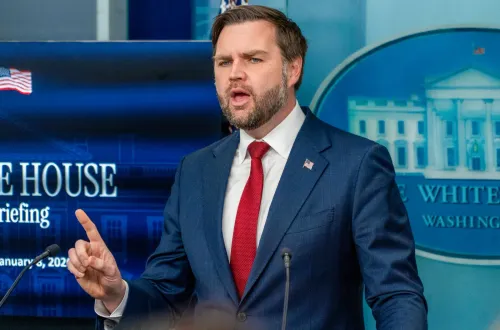
Vice President J D Vance said negotiators had made 'great progress' in Bürgenstock, Switzerland , with talks covering nuclear issues, maritime security, and the Strait of Hormuz .
The 21 August licence expiry effectively sets a diplomatic deadline for a broader US-Iran agreement.
The United States on Monday, 22 June moved to ease restrictions on Iranian oil exports through 21 August, a significant diplomatic signal issued hours after Vice President J D Vance said negotiators had made 'great progress' in Switzerland. The relaxation comes as US and Iranian delegations continued talks in Bürgenstock covering nuclear issues, maritime security, and the future of the Strait of Hormuz.
What the Licence Authorises
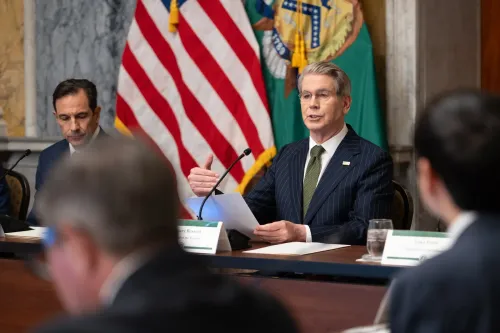
The Department of the Treasury's Office of Foreign Assets Control (OFAC) issued Iran General License X, formally authorising the production, delivery, and sale of Iranian-origin crude oil, petrochemical products, and petroleum products until 12:01 a.m. Eastern Daylight Time on 21 August. The licence covers all transactions ordinarily necessary to those activities, including those involving vessels previously blocked under US sanctions authorities.
According to the licence text, covered services extend to vessel management, crewing, bunkering, piloting, registration, flagging, insurance, classification, and salvage. It also permits activities necessary for the safe docking and anchoring of vessels, preservation of crew health and safety, emergency repairs, and environmental protection measures.
Payments and Dollar-Denominated Transactions
OFAC specified that payments owed to Iran, the Government of Iran, or blocked persons for the purchase of Iranian-origin energy products 'may be made in US dollar-denominated funds' — a notable provision that opens a formal channel for settling Iranian oil trades in the world's reserve currency, a step that had previously been restricted.
How This Differs from the March Waiver
General License X is materially broader than an earlier OFAC waiver issued in March, which largely permitted the delivery and sale of Iranian oil already loaded onto vessels. The new authorisation extends upstream to cover production as well, widening the scope of permissible activity significantly. This is the first time the US has sanctioned production-level transactions under the current diplomatic framework.
State of Talks and What Vance Said
The licence was issued as negotiators from both sides remained at the table in Bürgenstock, Switzerland. Vice President Vance told reporters that the two sides had 'already made great progress' and expressed hope for 'additional progress in the hours to come.' The talks reportedly span nuclear issues, maritime security, and arrangements governing the Strait of Hormuz — a chokepoint through which roughly 20% of global oil supply transits.
What Happens Next
The licence runs through 21 August, effectively setting a deadline by which a broader agreement — or a return to full sanctions — must be decided. Analysts note that the breadth of General License X suggests Washington is willing to offer tangible economic relief as leverage for a deal, rather than reserving concessions for a final agreement. Whether Tehran translates that into a binding commitment on nuclear and security issues will determine the durability of this opening.
Point of View
Washington has given Tehran a tangible preview of sanctions relief before any deal is signed, raising the cost of walking away. The 21 August sunset clause is equally deliberate: it forces a decision, not a drift. What mainstream coverage underplays is the dollar-payment provision — settling Iranian oil in USD is a structural shift that implicates the broader sanctions architecture and could set a precedent if the talks collapse. The real test is whether Tehran's negotiating position on nuclear thresholds and Hormuz access has actually moved, or whether 'great progress' is diplomatic atmospherics ahead of a harder phase.
NationPress
21 Sept 2026
Frequently Asked Questions
What is OFAC Iran General License X?
Iran General License X is a sanctions waiver issued by the US Treasury's Office of Foreign Assets Control on 22 June, authorising the production, sale, delivery, and offloading of Iranian-origin crude oil, petrochemical products, and petroleum products through 21 August. It is broader than a previous March waiver, which covered only oil already loaded onto vessels.
Why did the US ease Iran oil restrictions now?
The easing came as US and Iranian negotiators were actively engaged in talks in Bürgenstock, Switzerland, covering nuclear issues, maritime security, and the Strait of Hormuz. Vice President J D Vance said negotiators had made 'great progress,' suggesting the licence was issued as a diplomatic signal to sustain momentum in the talks.
How does General License X differ from the earlier March waiver?
The March waiver was narrower, largely permitting the delivery and sale of Iranian oil already loaded onto ships. General License X extends authorisation to cover production as well, widening permissible activity significantly and allowing dollar-denominated payments for Iranian oil purchases.
What is the deadline for this sanctions relief?
The licence expires at 12:01 a.m. Eastern Daylight Time on 21 August, effectively setting a hard deadline by which a broader US-Iran agreement — or a return to full sanctions — must be resolved.
What issues are the US and Iran negotiating in Switzerland?
According to reports, the talks in Bürgenstock, Switzerland cover nuclear issues, maritime security, and arrangements governing the Strait of Hormuz, a critical global oil transit chokepoint through which roughly 20% of world oil supply passes.