US sanctions Iran's Persian Gulf Strait Authority over Hormuz tolls
Synopsis
Washington has placed Iran's newly created Persian Gulf Strait Authority on the US sanctions blacklist, directly targeting Tehran's attempt to charge tolls and extract authorisation from vessels using the Strait of Hormuz. With Trump simultaneously ruling out sanctions relief for Iran's enriched uranium stockpile and warning of military action, the diplomatic window is narrowing fast.
Key Takeaways
The US Treasury added Iran's Persian Gulf Strait Authority to the Specially Designated Nationals List on 28 May 2025 .
Iran launched the authority on 18 May 2025 to manage shipping through the Strait of Hormuz , requiring vessels to seek Iranian authorisation for passage.
Treasury Secretary Scott Bessent called the move an attempt to 'extort global maritime trade,' warning third parties of sanctions exposure.
President Trump ruled out offering Iran sanctions relief in exchange for surrendering its highly enriched uranium stockpile.
Trump warned the US remains prepared to resume military action if nuclear talks do not meet Washington's demands.
The United States Treasury Department on 28 May 2025 added Iran's Persian Gulf Strait Authority to the Specially Designated Nationals (SDN) List, escalating Washington's Economic Fury campaign against Tehran over its attempt to impose tolls and extract authorisation fees from commercial vessels transiting the Strait of Hormuz. The designation, announced by the Treasury's Office of Foreign Assets Control (OFAC), signals a direct confrontation over one of the world's most critical maritime chokepoints.
What the Strait Authority Was Doing
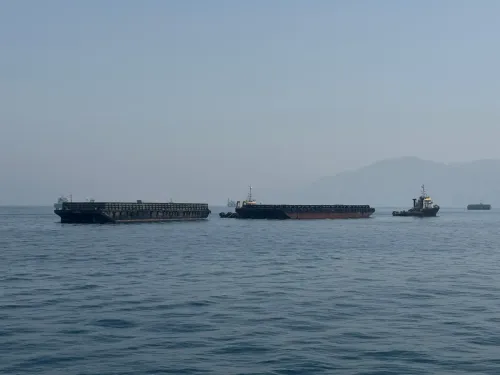
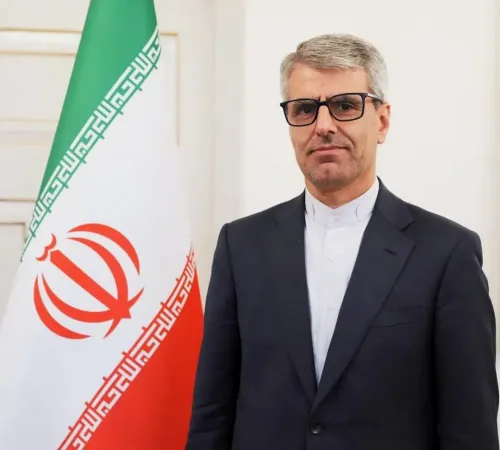
Iran launched the Persian Gulf Strait Authority on 18 May 2025 to manage shipping through the Strait of Hormuz, through which roughly 20% of the world's oil supply passes. In a statement posted on X on 20 May, the authority asserted supervisory jurisdiction over the strait, stating that vessels transiting the area are required to coordinate with Iranian authorities and obtain prior authorisation.
OFAC charged that the body sought to impose what it called illegitimate tolls on commercial traffic and compel vessels to follow Iranian direction in exchange for safe passage — conduct Washington characterised as maritime extortion.
What the US Treasury Said
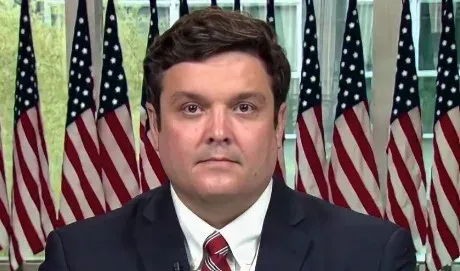
US Secretary of the Treasury Scott Bessent did not mince words in his statement. 'The Iranian military's latest attempt to extort global maritime trade is proof that Economic Fury has left the regime desperate for cash,' Bessent said. The Treasury also warned that any entity or individual cooperating with the Strait Authority could be exposed to sanctions risk under US law.
Trump's Position on Iran Negotiations
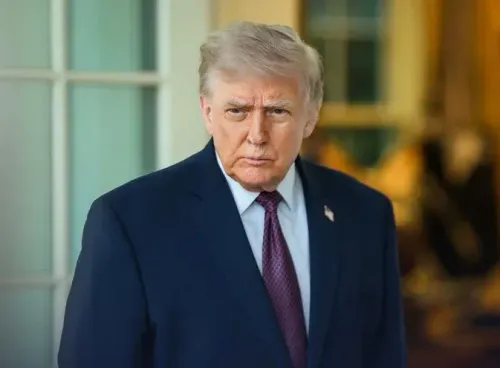
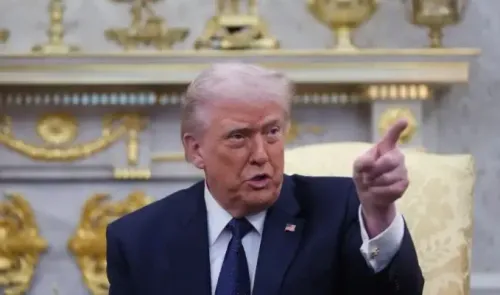
Speaking at a White House cabinet meeting on the same day, US President Donald Trump addressed the state of ongoing nuclear negotiations with Tehran. Trump suggested Iran had calculated that pressure from upcoming midterm elections would erode his negotiating leverage. 'They thought they were going to outwait me,' Trump said. 'I don't care about the midterms.'
Trump made clear that Washington remains unsatisfied with the terms currently under discussion and has not ruled out military action. 'We're not satisfied with it, but we will be,' he said. 'Either that or we'll have to just finish the job.' He added: 'They want to just make a deal. I don't think they have a choice.'
No Sanctions Relief for Enriched Uranium, Trump Says
In a brief phone interview with PBS News during the cabinet meeting, Trump explicitly ruled out offering Iran sanctions relief in exchange for surrendering its stockpile of highly enriched uranium. 'No, no, not at all. Not sanctions relief, no,' Trump said when asked whether the current framework envisioned such a trade-off. 'They're gonna give up their highly enriched uranium not for sanctions relief. No, no, not at all,' he added.
This comes amid broader US-Iran nuclear talks that have shown fitful progress, with Washington insisting on verifiable dismantlement of Iran's enrichment programme. The SDN designation of the Strait Authority adds a fresh pressure point ahead of any potential deal.
What Happens Next
The SDN listing effectively freezes any US-linked assets of the Strait Authority and bars American entities from transacting with it. Third-country shipping firms and insurers operating in the Strait of Hormuz will now face secondary sanctions risk if they comply with Iranian authorisation requirements. Analysts warn this could complicate the passage of non-US vessels and raise insurance premiums on Hormuz-transiting cargo. The next inflection point will be whether Iran retaliates by tightening its enforcement of the authority's directives.
Point of View
Raising the question of what, if anything, Tehran can actually trade for relief. The 'Economic Fury' branding is deliberate — it frames coercion as a campaign, not a crisis, which gives Washington political room to sustain pressure well beyond any single news cycle.
NationPress
11 Oct 2026
Frequently Asked Questions
What is Iran's Persian Gulf Strait Authority?
Iran's Persian Gulf Strait Authority is a body launched on 18 May 2025 to manage and supervise shipping through the Strait of Hormuz. It requires vessels transiting the strait to coordinate with Iranian authorities and obtain prior authorisation, a demand the US has characterised as illegitimate toll extraction.
Why did the US sanction the Persian Gulf Strait Authority?
The US Treasury's Office of Foreign Assets Control sanctioned the authority on 28 May 2025, accusing it of imposing illegitimate tolls on commercial traffic and coercing vessels into following Iranian direction in exchange for safe passage. The designation is part of Washington's broader Economic Fury sanctions campaign against Iran.
What does the SDN listing mean for global shipping?
Being placed on the Specially Designated Nationals List freezes any US-linked assets of the authority and bars American entities from dealing with it. Third-country shipping firms and insurers that comply with the Iranian authority's directives now face secondary sanctions risk under US law, which could raise insurance costs and complicate Hormuz transits.
What did Trump say about Iran nuclear negotiations?
Speaking at a White House cabinet meeting on 28 May, President Trump said the US is not yet satisfied with the terms under discussion and remains prepared to resume military action if its demands are not met. He also explicitly ruled out offering Iran sanctions relief in exchange for surrendering its stockpile of highly enriched uranium.
What happens next in US-Iran tensions over Hormuz?
The immediate focus is whether Iran escalates enforcement of its Strait Authority's directives in response to the US sanctions designation. Longer term, the collapse of a sanctions-for-uranium trade-off narrows the diplomatic space considerably, making the next round of nuclear talks a critical test of whether any deal framework remains viable.