US flags $900 million in university funding from China, Russia, North Korea

Synopsis
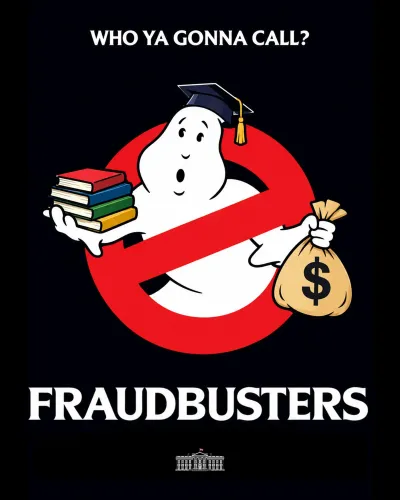
Washington has flagged $900 million in university funding from China, Russia and North Korea — part of a staggering $9 billion in foreign gifts accepted by US universities in a single year. With a joint government letter now demanding tighter oversight and a push to pass the DETERRENT Act, the battle over foreign influence in American academia is entering a sharper legislative phase.
Key Takeaways
The US government identified approximately $900 million in gifts and contracts from China , Russia , and North Korea flowing into American universities.
The flagged amount is part of $9 billion in total foreign funding accepted by US universities between 1 August 2025 and 31 July 2026 .
The Education and State departments issued a joint letter to university presidents urging stricter oversight of foreign financial relationships.
The government is pressing Congress to pass the DETERRENT Act to strengthen foreign-funding disclosure rules.
Existing rules under Section 117 of the Higher Education Act require disclosure of foreign gifts or contracts worth at least $250,000 .
The United States government has identified approximately $900 million in gifts and contracts flowing into American universities from countries of concern — including China, Russia, and North Korea — and is pressing institutions to tighten oversight of foreign financial ties, according to a recent report.
The flagged funding formed part of a broader $9 billion in foreign gifts and contracts accepted by US universities between 1 August 2025 and 31 July 2026, according to the report.
Joint Government Letter to Universities
The Education Department and the State Department issued a joint letter to university presidents and governing boards, urging greater vigilance against foreign interference in research. Federal Student Aid's official announcement confirmed that the letter specifically addresses the protection of university-based, taxpayer-funded research and development programmes.
The departments called for accurate and timely disclosure of foreign funding and closer scrutiny of international collaborations, according to the report.
What Officials Said
Under Secretary of State for Public Diplomacy Sarah Rogers acknowledged the dual nature of international academic ties. 'International research collaborations build critical scientific knowledge and strengthen diplomatic ties,' she said, while also stressing the need to protect research against national-security threats.
The Push for New Legislation
The departments urged Congress to pass the DETERRENT Act, legislation specifically designed to address foreign-funding disclosure requirements. The existing legal framework stems from Section 117 of the Higher Education Act, which requires covered institutions to disclose gifts or contracts worth at least $250,000 from a foreign source — either individually or when combined with other gifts and contracts from the same source during a calendar year.
Under current law, disclosure reports are due on 31 January or 31 July, whichever comes sooner. Reporting is also mandatory when an institution is owned or controlled by a foreign source.
Scope of the Disclosure Requirement
Notably, the existing obligation is not limited to countries designated as security concerns. The law's definition of a foreign source is broad, encompassing foreign governments, foreign legal entities, and individuals who are not US citizens or nationals. This means universities with ties to allied nations are equally bound by disclosure rules — a provision that critics argue could chill legitimate academic partnerships.
This comes amid a broader US government push to scrutinise foreign influence in higher education, particularly involving Chinese state-linked funding channels. The DETERRENT Act, if passed, would significantly tighten the existing framework and potentially lower the disclosure threshold.
Point of View
But the more revealing number is the $9 billion total — American universities have become deeply enmeshed in foreign financial relationships, with countries of concern accounting for a tenth of that pool. The push for the DETERRENT Act signals that voluntary compliance and existing Section 117 rules are seen as inadequate, yet Congress has stalled on this legislation before. The broader tension is real: aggressive disclosure requirements could deter legitimate collaborations with allied nations, while lax oversight leaves research ecosystems vulnerable to state-directed influence. Without a risk-tiered approach that distinguishes adversarial funding from allied academic exchange, the policy risks overcorrecting in ways that could hurt US science competitiveness.
NationPress
18 Nov 2026
Frequently Asked Questions
How much foreign funding did US universities receive from countries of concern?
US universities received approximately $900 million in gifts and contracts from countries including China, Russia, and North Korea. This was part of a broader $9 billion in total foreign funding accepted between 1 August 2025 and 31 July 2026.
What is the DETERRENT Act and why is it being pushed?
The DETERRENT Act is proposed legislation aimed at strengthening foreign-funding disclosure requirements for American universities. The Education and State departments have urged Congress to pass it, arguing that existing rules under Section 117 of the Higher Education Act are insufficient to address national-security risks from foreign financial influence.
What do current US laws require universities to disclose about foreign funding?
Under Section 117 of the Higher Education Act, covered institutions must disclose gifts or contracts worth at least $250,000 from a foreign source, either individually or in aggregate from the same source in a calendar year. Reports are due on 31 January or 31 July, whichever is sooner.
Which countries are classified as 'countries of concern' in this context?
The report specifically identifies China, Russia, and North Korea as countries of concern from which the flagged $900 million in university funding originated. However, existing disclosure obligations apply to all foreign sources, not just countries designated as security concerns.
What action has the US government taken in response to these findings?
The Education and State departments issued a joint letter to university presidents and governing boards calling for accurate and timely disclosure of foreign funding and closer scrutiny of international collaborations. They also called on Congress to pass the DETERRENT Act to tighten the existing legal framework.