CM Himanta lays foundation for Assam's second Sainik School in Karbi Anglong
Synopsis
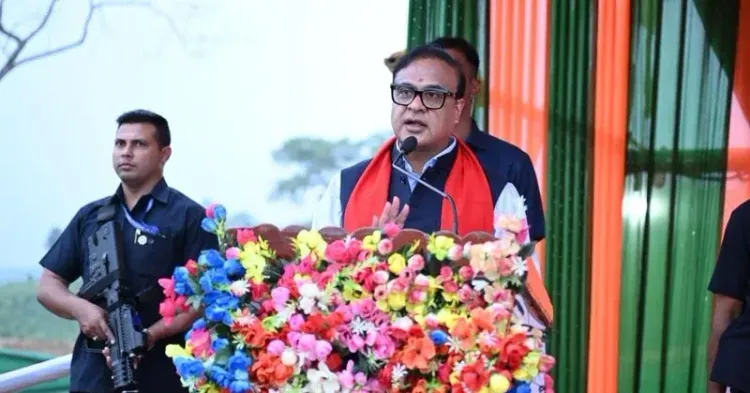
Chief Minister Himanta Biswa Sarma laid the foundation for Assam's second Sainik School in Karbi Anglong on 17 November 2026, extending defence-oriented residential education to a tribal hill district more than sixty years after the state's first such school opened at Goalpara.
Key Takeaways
CM Himanta Biswa Sarma laid the foundation stone for Assam's second Sainik School on 17 November 2026 .
The new school is located in Karbi Anglong , Assam's largest district by area and home to a significant tribal population.
Assam's first Sainik School was established at Goalpara in 1964 — over six decades ago.
Sainik Schools are CBSE-affiliated, Ministry of Defence-supervised residential institutions designed to prepare students for armed forces entry examinations.
Several northeastern states have added Sainik Schools in recent years, in line with a central government push to expand the original 1960s network.
Next milestones include affiliation with the Sainik Schools Society , construction completion, and first-batch admissions.
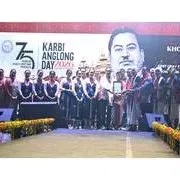
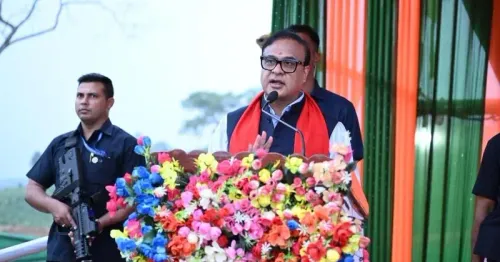
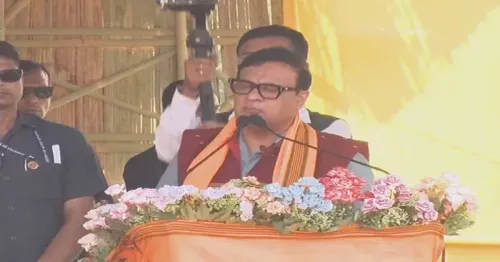
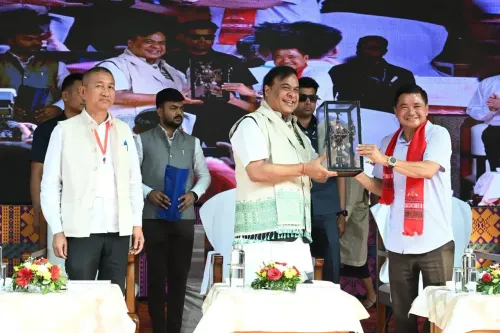
A new chapter opens for defence aspirants in one of Assam's most storied hill districts. Chief Minister Dr. Himanta Biswa Sarma on Wednesday, 17 November 2026, laid the foundation stone for the state's second Sainik School — sited in Karbi Anglong — bringing a decades-old national institution to a region whose tribal youth have long had to travel far for structured, defence-track schooling.
From Goalpara to Karbi Anglong — sixty years in the making
Assam's first Sainik School rose at Goalpara in 1964, part of the original national network created to build a steady pipeline of officer candidates for the armed forces. For more than six decades it remained the only such institution in the state. The new school at Karbi Anglong breaks that monopoly, placing a CBSE-affiliated, Ministry of Defence-supervised residential school in the heart of the state's central hills for the first time.
Sainik Schools follow a rigorous residential model: structured academics, physical training, and National Cadet Corps activity — all oriented toward clearing the National Defence Academy and other armed forces entry examinations. Admission is competitive and merit-based, making geographic access a genuine equaliser for students in remote districts.
Why Karbi Anglong, and why now
Karbi Anglong is Assam's largest district by area, home to a significant Karbi tribal population and historically underserved in terms of elite residential schooling. Several northeastern states — Manipur, Meghalaya, Nagaland — have added Sainik Schools in recent years, responding to both a surge in defence-service aspirations among tribal youth and a central government push to expand the original 1960s network beyond its legacy locations.
The Himanta government has framed education infrastructure as a cornerstone of its development pitch for the Northeast, and the Karbi Anglong school fits squarely into that arc — a high-visibility project in a district that has also seen significant peace-process milestones under the state's reconciliation drive with Karbi militant groups.
What comes next for the school
The foundation stone marks the start, not the finish. The school will need to complete affiliation with the Sainik Schools Society under the Ministry of Defence, finalise construction, and open admissions for its first batch. Observers will watch closely for the construction timeline and whether admission notifications reach students in Karbi Anglong's most remote blocks — the communities this school is meant to serve most directly.
For now, though, the moment belongs to a district where a generation of young students can begin to picture a path in uniform that starts, for the first time, close to home.
Point of View
And planting a defence-track institution here sends a signal that post-peace-accord governance must deliver visible dividends. Nationally, the expansion of Sainik Schools into tribal and hill geographies reflects a deliberate shift in central defence-education policy away from legacy plains-based campuses. The real test will be whether recruitment and admission outreach genuinely penetrates Karbi Anglong's remote blocks, or whether the school ends up serving a narrow urban-adjacent elite — a pattern that has blunted the impact of similar schemes elsewhere in the Northeast.
NationPress
18 Nov 2026
Frequently Asked Questions
Where is Assam's second Sainik School being built?
Assam's second Sainik School is being built in Karbi Anglong , a large hill district in central Assam with a significant tribal population. Chief Minister Himanta Biswa Sarma laid the foundation stone on 17 November 2026.
Where is Assam's first Sainik School located?
Assam's first Sainik School is located at Goalpara , established in 1964 as part of the original national Sainik Schools network.
What is a Sainik School and who runs it?
A Sainik School is a CBSE-affiliated residential school supervised by the Ministry of Defence through the Sainik Schools Society. These schools combine academics, physical training, and NCC activity to prepare students for entry into the National Defence Academy and other armed forces examinations.
Why is a Sainik School being opened in Karbi Anglong?
Karbi Anglong is Assam's largest district and home to a substantial tribal population that has had limited access to elite residential schooling. The school extends defence-oriented education to a remote hill region, aligning with both state development goals and a central policy push to expand the Sainik Schools network beyond legacy locations.
When will the Karbi Anglong Sainik School admit its first batch?
A specific timeline has not been announced. The school must first complete construction and obtain affiliation from the Sainik Schools Society before admission notifications can be issued for the first batch.