Navigating Tensions: US Military Options on Iran
Synopsis
As tensions rise, the Chairman of the Joint Chiefs of Staff is preparing military strategies against Iran while balancing diplomatic negotiations. Explore the implications of these actions on US-Iran relations and regional stability.
Key Takeaways
Dan Caine is drafting military strategies for a possible strike on Iran.
The US is increasing its military presence in the Middle East.
Diplomatic negotiations with Iran are set to resume in Geneva.
New legislation aims to address human rights concerns in Iran.
F-22 jets have been deployed to Israel as part of military coordination.
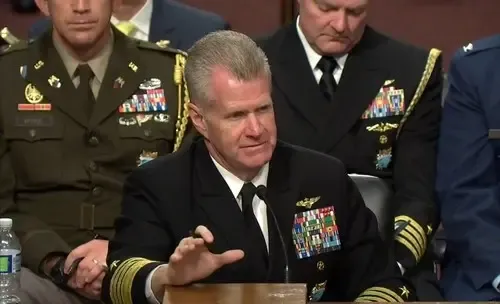
Washington, February 26 (NationPress) The leader of the Joint Chiefs of Staff, Gen. Dan Caine, has been discreetly formulating military strategies for a potential strike on Iran while simultaneously trying to steer clear of direct conflicts with President Donald Trump, as reported by various US media outlets.
In his capacity as chairman, Gen. Caine has been actively “developing military strategies for possible actions against Iran,” with a continuous influx of senior officials from the Army, Navy, and Air Force visiting his office, according to CNN.
During internal Pentagon discussions, Caine has expressed worries regarding the “magnitude, intricacies, and possible US casualties” if a significant military operation were enacted against Iran, as per the report.
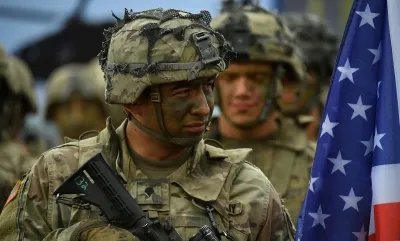
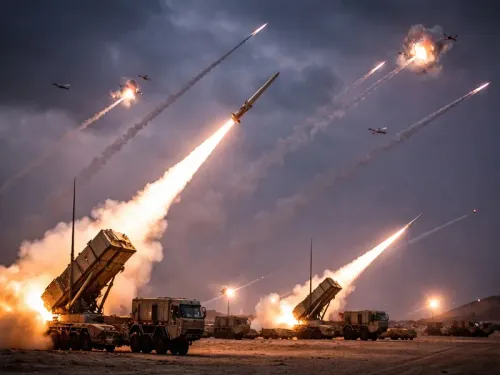
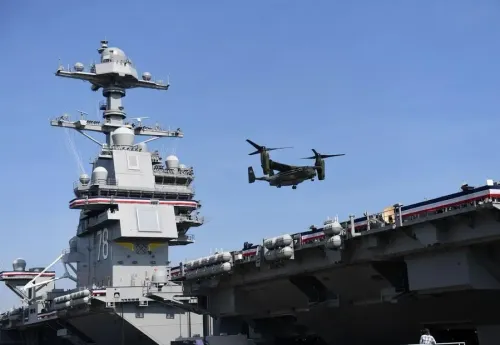
Concurrently, he has been overseeing the “construction of the largest array of US military assets gathered in the Middle East since the Iraq invasion,” CNN noted.
This balancing act unfolds as the United States and Iran gear up for renewed nuclear talks in Geneva. Tehran is anticipated to unveil a new proposal concerning enrichment, even as Washington continues to increase its military presence in the region, as highlighted by The Washington Post.
“I don’t believe a definitive decision has been reached yet,” stated Senator Dan Sullivan (R-Alaska) after receiving updates on the situation.
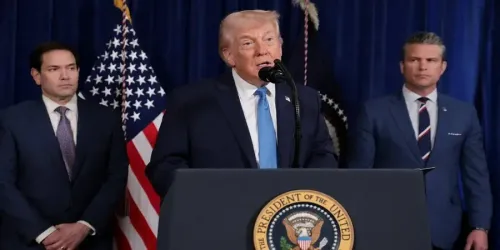
President Trump has consistently claimed that previous US attacks have “decimated” Iran’s nuclear program, though international authorities have raised doubts about the actual damage incurred, according to the Post.
On the military front, the Wall Street Journal reported that the US has dispatched F-22 fighter jets to Israel for the first time for a potential combat operation. This deployment signifies an enhanced level of US-Israeli military collaboration amidst escalating tensions with Tehran.
The introduction of F-22s will enable the US to safeguard Israeli territory and American forces stationed in the Middle East from potential Iranian counterattacks, the Journal indicated.
In parallel, lawmakers are also addressing human rights issues within Iran. Senators Dave McCormick and Jacky Rosen have proposed the Iran Human Rights, Internet Freedom, and Accountability Act of 2026, aimed at broadening internet access and tightening sanctions against human rights offenders.
“The Iran Human Rights, Internet Freedom, and Accountability Act of 2026 reinforces America’s commitment to support the Iranian populace against a regime that is economically, militarily, and morally bankrupt,” remarked Senator McCormick.
Senator Rosen added, “The citizens of Iran have been compelled to endure a repressive regime that has employed censorship and internet blackouts to undermine their efforts to resist.”
Point of View
The current situation highlights a delicate balancing act in US foreign policy. The strategic military preparations juxtaposed with ongoing diplomatic talks reflect the multifaceted nature of international relations, where military readiness and diplomacy must coexist.
NationPress
29 Sept 2026
Frequently Asked Questions
What are the military options being considered against Iran?
The Chairman of the Joint Chiefs of Staff is formulating various military strategies for a potential strike on Iran, focusing on the scale and complexity of operations.
How is the US preparing for potential conflict with Iran?
The US is assembling significant military assets in the Middle East, including the deployment of F-22 fighter jets to Israel, enhancing military coordination.
What human rights legislation is being proposed regarding Iran?
Senators have introduced the Iran Human Rights, Internet Freedom, and Accountability Act of 2026 to expand internet access and strengthen sanctions against rights violators.
What is the current status of US-Iran nuclear negotiations?
The US and Iran are preparing for renewed nuclear talks in Geneva, with Iran expected to present a new proposal on enrichment.
What concerns have been raised regarding military action against Iran?
Concerns include the potential scale, complexity, and US casualties that could arise from any major military operation against Iran.