US indicts 7 Chinese executives, 4 firms in Covid-era shipping price-fix case
Synopsis
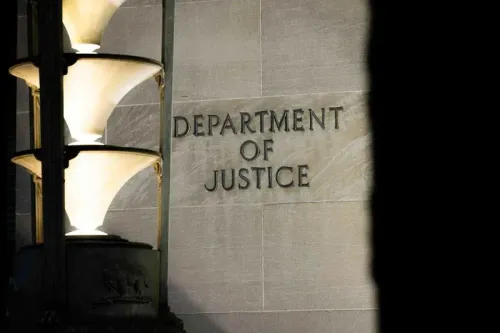
The US Department of Justice has charged seven Chinese executives and four of the world's biggest container manufacturers with running a Covid-era cartel that allegedly doubled global dry container prices between 2019 and 2021 — complete with surveillance cameras on factory floors and financial penalties for overproducers. One executive is already in French custody awaiting extradition.
Key Takeaways
The US Department of Justice has indicted seven Chinese executives and four container manufacturers for alleged price-fixing of dry shipping containers.
The alleged conspiracy ran from November 2019 to at least January 2024 , covering nearly all global standard dry container supply.
Container prices reportedly doubled between 2019 and 2021 , boosting manufacturer profits during peak pandemic supply chain stress.
Accused firms include Singamas Container Holdings , China International Marine Containers , Shanghai Universal Logistics Equipment , and CXIC Group Containers .
Executive Vick Nam Hing Ma was arrested in France on 14 April 2026 and awaits extradition; six other co-defendants remain at large.
Alleged enforcement tools included 87 surveillance cameras across 49 production lines and a financial penalty system for overproduction.
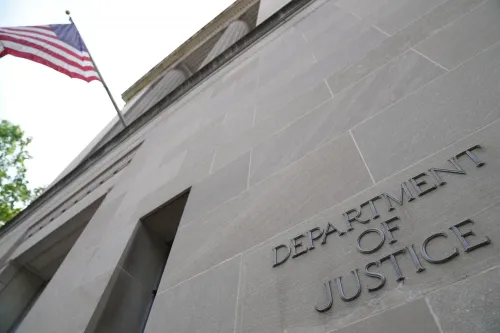
The United States Department of Justice has indicted seven Chinese executives and four major shipping container manufacturers for allegedly conspiring to restrict output and fix prices of standard dry shipping containers during the Covid-19 pandemic, in what authorities describe as a coordinated scheme that inflated global prices and severely disrupted supply chains worldwide.
Key Developments
A superseding indictment unsealed by the U.S. District Court for the Northern District of California alleges the conspiracy ran from as early as November 2019 until at least January 2024, covering nearly all of the world's standard unrefrigerated — or dry — shipping containers. US prosecutors allege the arrangement roughly doubled container prices between 2019 and 2021, enabling manufacturers to dramatically expand profits at a time when global supply chains were under acute stress.
Companies and Executives Named
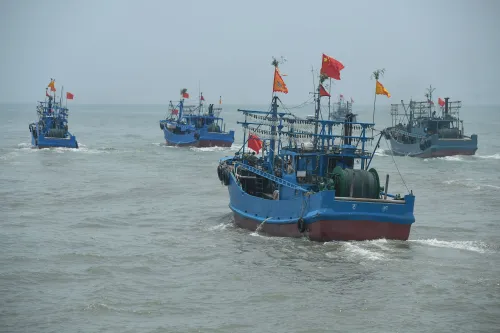
The four firms named in the indictment are Singamas Container Holdings Ltd., China International Marine Containers (Group) Co., Ltd., Shanghai Universal Logistics Equipment Co., Ltd., and CXIC Group Containers Co. Ltd. — companies that, according to authorities, collectively controlled a substantial share of the worldwide dry container market.
Among the seven executive co-defendants, Vick Nam Hing Ma — also known as Vick Ma, formerly Marketing Director at Singamas Container Holdings Ltd. — was arrested in France on 14 April 2026 and is currently awaiting extradition to the United States. The remaining six executive co-defendants are reportedly still at large.
How the Alleged Conspiracy Worked
According to the indictment, senior executives first convened at the headquarters of China International Marine Containers (Group) Co., Ltd. in Shenzhen in November 2019 to formalise the arrangement. The alleged measures were notably granular: limiting factory operating hours, restricting production shifts, blocking construction of new facilities, and installing 87 surveillance cameras across 49 production lines to monitor compliance with agreed output caps.
The conspirators also reportedly established a financial penalty mechanism to punish any participant that exceeded the agreed production restrictions — a structural enforcement tool that, if proven, would distinguish this from a loose cartel arrangement. Prosecutors further allege the scheme was later expanded to include production quotas tied to specific customers, among them major US-based shipping lines, logistics firms, and container leasing companies.
Impact on Global Supply Chains
The timing of the alleged conspiracy is significant. The Covid-19 pandemic triggered an unprecedented surge in demand for manufactured goods as consumers shifted spending from services to products, placing extraordinary pressure on container availability. Critics and trade economists have long argued that container scarcity during 2020–2021 was not purely demand-driven, and this indictment adds legal weight to those concerns. The price doubling alleged by the Justice Department would have cascaded across freight rates, retail prices, and import costs globally — including in import-dependent economies such as India.
What Happens Next
With Vick Ma in French custody awaiting extradition, the US case is expected to move toward a formal court process. The six remaining co-defendants at large present an extradition challenge, particularly given the absence of a comprehensive extradition treaty between the United States and China. Legal observers will watch whether any of the named companies enter plea negotiations, which could unlock further details about the alleged cartel's inner workings.
Point of View
Penalty mechanisms, customer-specific quotas — suggests, if proven, a degree of coordination that goes well beyond opportunistic pricing. For trade-dependent economies like India, which absorbed punishing freight costs during that period, the implications are more than legal. The harder question is enforcement: with six of seven accused executives at large and no US-China extradition treaty in force, the Justice Department's leverage is limited. Plea negotiations with the named companies may be the more realistic path to accountability.
NationPress
13 Oct 2026
Frequently Asked Questions
What is the US DOJ's case against the Chinese shipping container firms?
The US Department of Justice has indicted four major Chinese container manufacturers and seven executives for allegedly conspiring to restrict production and fix prices of dry shipping containers from November 2019 to at least January 2024. Prosecutors say the scheme roughly doubled container prices between 2019 and 2021, inflating costs across global supply chains.
Which companies have been named in the indictment?
The four firms named are Singamas Container Holdings Ltd., China International Marine Containers (Group) Co., Ltd., Shanghai Universal Logistics Equipment Co., Ltd., and CXIC Group Containers Co. Ltd. Authorities allege these companies collectively controlled a substantial portion of the worldwide dry shipping container market.
Who is Vick Ma and why was he arrested in France?
Vick Nam Hing Ma, also known as Vick Ma, is a former Marketing Director at Singamas Container Holdings Ltd. and one of the seven executive co-defendants. He was arrested in France on 14 April 2026 and is currently awaiting extradition to the United States to face charges related to the alleged price-fixing conspiracy.
How did the alleged cartel enforce its production restrictions?
According to the indictment, the conspirators installed 87 surveillance cameras across 49 production lines to monitor compliance with agreed output caps. They also established a financial penalty mechanism to punish any manufacturer that exceeded the agreed production limits.
What impact did the alleged conspiracy have on global shipping costs?
US prosecutors allege the conspiracy roughly doubled the prices of standard shipping containers between 2019 and 2021, a period of severe global supply chain disruption driven by the Covid-19 pandemic. The price inflation would have cascaded into higher freight rates and import costs worldwide.